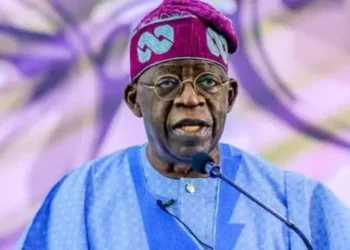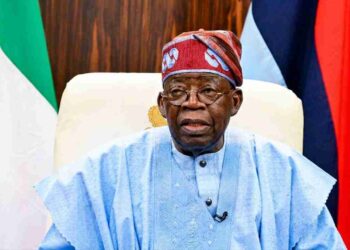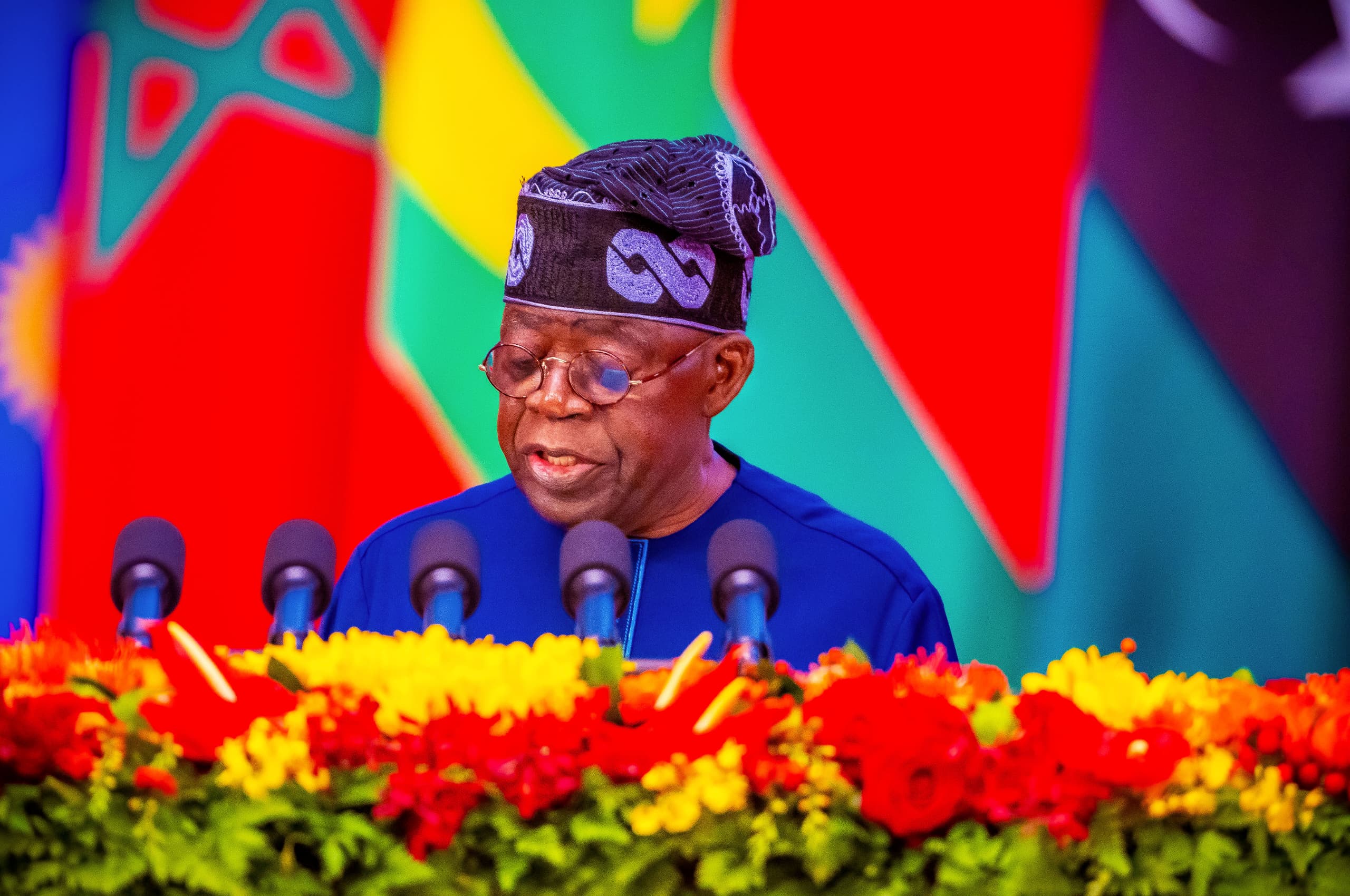
President Bola Tinubu has emphasized the need for a comprehensive overhaul of the world’s financial, governance, and healthcare systems to better reflect the interests and realities of emerging economies, especially in Africa.
Addressing leaders at the 17th BRICS summit in Rio de Janeiro, Brazil, on Saturday, Tinubu called for increased equity, justice, and inclusion in global decision-making processes.
His remarks highlighted the significant challenges posed by environmental degradation, healthcare inequality, and climate change issues he described as critical impediments to development across Africa.
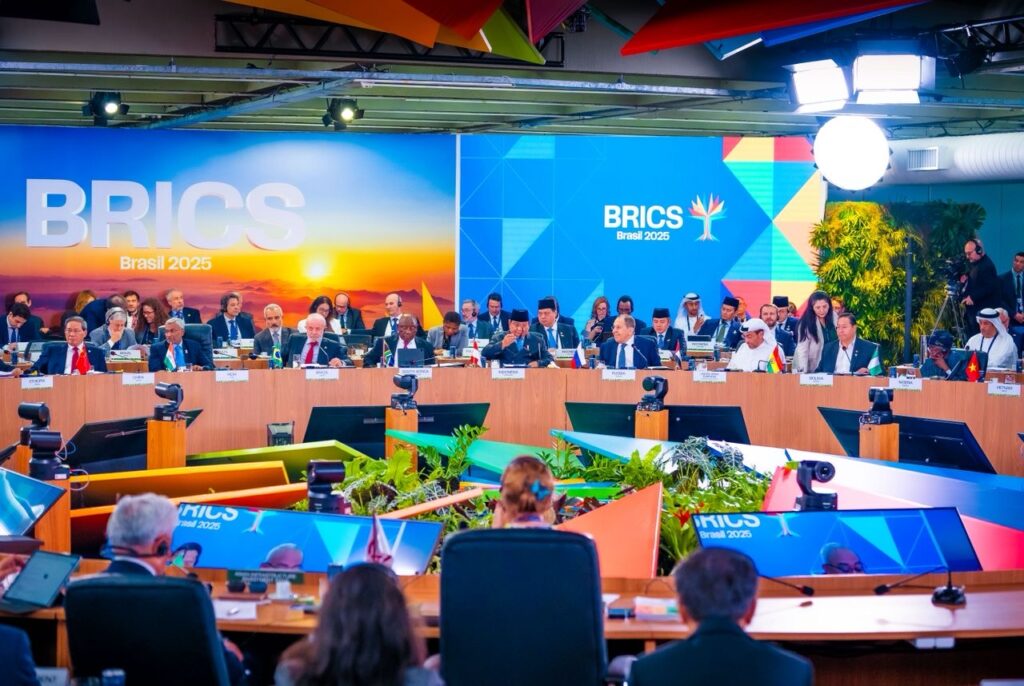
Invited by Brazilian President Luiz Inacio Lula Da Silva, Tinubu used the platform to align Nigeria with the BRICS call for a more balanced and collective approach to global progress. He stressed that Africa, despite contributing minimally to global emissions, remains the most affected by climate-induced disruptions.
“Nigeria, therefore, associates with what I have heard today and all that has happened in BRICS. The next issues are financial restructuring and reevaluation of the global structure,” Tinubu was quoted as saying by his Special Adviser on Information and Strategy, Bayo Onanuga.
Nigeria was formally announced as the ninth partner country of BRICS in January 2025, joining Belarus, Bolivia, Cuba, Kazakhstan, Malaysia, Thailand, Uganda, and Uzbekistan. The new category of partner countries was introduced at the 16th BRICS summit held in Kazan in October 2024.
Tinubu used his platform to call for a global justice system that prioritizes equitable financing, sustainable technological advancements, and fair distribution of opportunities to all nations, especially those still battling long-standing developmental disadvantages.
He pointed to Nigeria’s environmental initiatives, such as the African Carbon Market Initiative and the Great Green Wall, as proof of the continent’s proactive stance. He expressed optimism that these projects, along with global engagements like COP-30, would reinforce Africa’s resolve to lead in shaping a healthier planet.
He said Nigeria’s priorities include accelerating the adoption of renewable energy, implementing nature-based climate solutions, strengthening the resilience of urban centers, and securing universal healthcare for all citizens.
According to him, these efforts align with Nigeria’s Vision 2050 and the country’s nationally determined contributions under the Paris Climate Agreement.
The President also highlighted the urgency of addressing non-communicable diseases through international cooperation. He stated that BRICS should not merely be viewed as a coalition of developing economies but as a forum for emerging ideas and practical solutions rooted in solidarity, sustainability, and shared human progress.
He said, “We must be the architects of a future that addresses the specific needs and concerns of youths, who represent 70 percent of our population in Nigeria.”
On healthcare, Tinubu underscored the need for stronger global systems and equitable access, warning that ignoring disparities in health infrastructure would weaken long-term development goals. He noted that Nigeria is ready to contribute meaningfully to the strengthening of global health governance.
Accompanied by Foreign Affairs Minister Ambassador Yusuf Tuggar and Finance Minister Mr. Wale Edun, President Tinubu reaffirmed Nigeria’s readiness to deepen cooperation with fellow BRICS nations. He maintained that Nigeria’s participation in BRICS is rooted in mutual interest and a shared vision for inclusive development.
Brazil’s government, which currently holds the BRICS presidency, had earlier confirmed Nigeria’s admission into the bloc’s partner-country category. As one of Africa’s major economies and the sixth-most populous nation globally, Nigeria is expected to play a significant role in advancing BRICS priorities, particularly on South-South cooperation and global governance reforms.
The Brazilian presidency underscored Nigeria’s active involvement in shaping international frameworks and emphasized the country’s alignment with the bloc’s broader development goals.
What You Should Know
President Tinubu’s call at the BRICS summit reflects Nigeria’s growing ambition to be a key voice in global reform discussions.
As a newly admitted BRICS partner country, Nigeria is positioning itself at the forefront of efforts to secure fairer representation and development opportunities for the Global South.