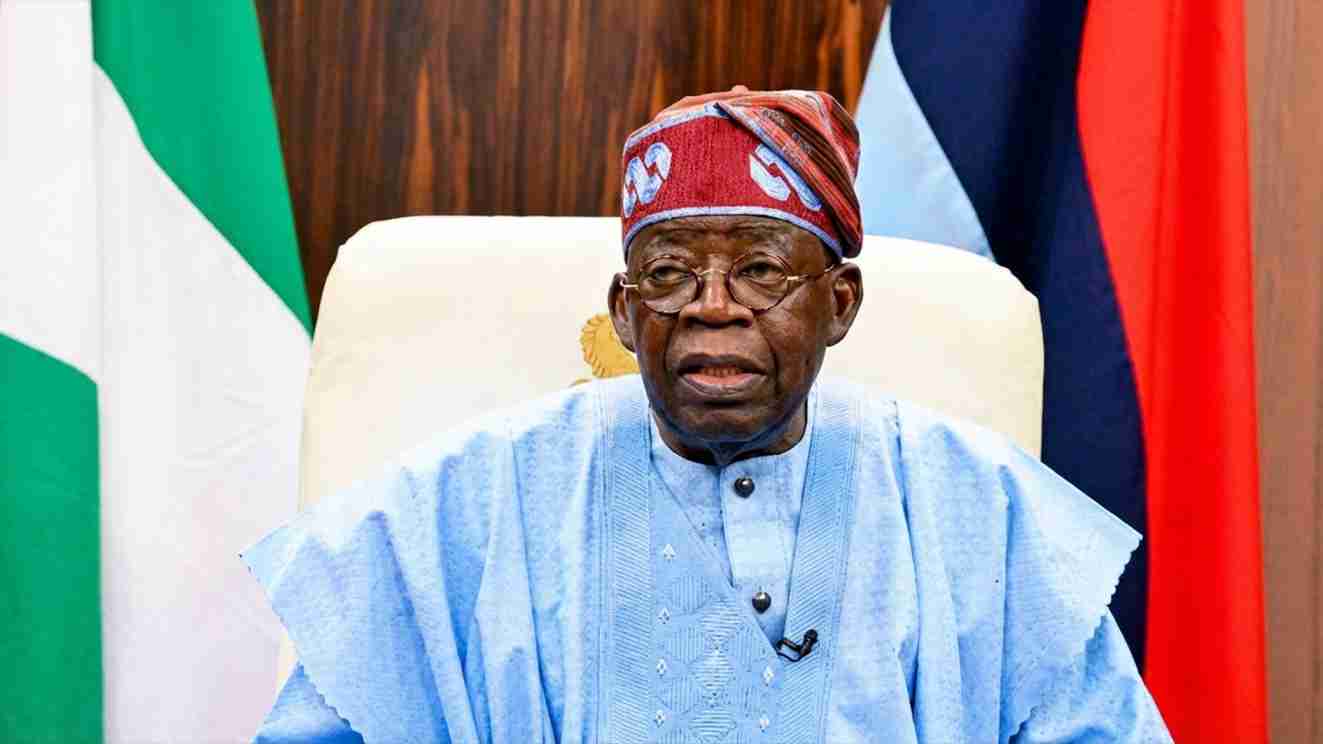
Bola Ahmed Tinubu has said that Nigeria’s development cannot be driven by the federal government alone, urging the media to also scrutinise the activities of state and local governments.
Tinubu made the remarks on Friday while hosting media executives and proprietors at the Aso Rock Presidential Villa in Abuja.
During the meeting, the president encouraged journalists to apply the same level of oversight they direct at his administration to other tiers of government, particularly local councils, noting that they now enjoy greater financial autonomy.
“We’ve opened up the principle of federalism to the extent that local governments are now getting their money. But how they use it is in your hands,” Tinubu said.
“So don’t bombard me alone; look at the local government too. Yes, we can complain it’s not enough; we can complain we are not where we should be. But we have to manage what we have to sustain today, survive tomorrow, and make progress.”

Tinubu also stated that financial conditions across states have improved compared with previous years.
“Today, there is no state that is borrowing to pay the salaries of employees,” he told the gathering.
“Yes, we can complain that it’s not enough. We can complain we are not where we should be, but we have to manage what we have to sustain today, survive tomorrow, and make progress.”
The president further reaffirmed his commitment to national development, describing the responsibility of building the country as a collective effort involving all stakeholders.
“And I promise you, the job that I continue to do is dedication—patriotic dedication to improve Nigeria. It’s all in our hands; it’s a collective responsibility,” he said.
What you should know
Bola Ahmed Tinubu assumed office as Nigeria’s president in May 2023 after winning the general election.
His administration has focused on economic reforms, fiscal restructuring and strengthening the autonomy of local governments.
Discussions around federalism and financial independence for local councils have intensified in recent years, with advocates arguing that stronger accountability at the state and local levels is essential for effective governance and grassroots development.