Summary
President Bola Tinubu has approved the creation of the National Tax Policy Implementation Committee (NTPIC), a new body designed to steer the administration’s major tax reforms toward full execution in alignment with Nigeria’s economic goals.
The committee will be chaired by Joseph Tegbe, and its primary responsibility is to ensure that the government’s tax policies are fully implemented to bolster revenue mobilisation, reduce leakages, strengthen accountability, and reinforce the broader fiscal sustainability vision of the administration. In a statement released by the Special Adviser to the President on Information and Strategy, Bayo Onanuga, it was disclosed that the Minister of Finance and Coordinating Minister of the Economy, Wale Edun, will oversee the committee’s work.
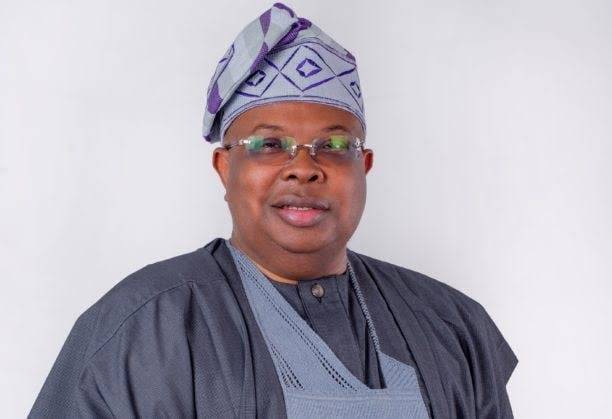
President Tinubu stressed that the successful implementation of the new Tax Acts is central to his administration’s economic transformation strategy. He said this would be pivotal in enhancing public finance management while protecting the expectations of investors and productive sectors. According to him, “These new Tax Acts reflect our administration’s commitment to building a fair, transparent, and technology-driven tax system that supports economic growth while protecting the interests of citizens and businesses.”
The President also explained that the new committee would ensure coordinated implementation across all levels of government. “The National Tax Policy Implementation Committee will ensure coherent, effective, and well-aligned implementation across all levels of government,” he stated.
The NTPIC’s work will focus heavily on engaging a wide range of stakeholders. This includes nationwide consultations with the private sector, professional groups, and state governments, as well as a broad public awareness campaign to support the rollout of the tax reforms. Another major highlight of the committee’s mandate is the push for strong inter-agency coordination by harmonising the activities of key revenue and regulatory bodies. This will involve aligning existing frameworks with the new laws and ensuring unified oversight and reporting throughout the period of transition.
To secure broad input and trust, the committee will conduct extensive consultations across both public and private sectors. Its membership consists of professionals from tax administration, finance, law, the private sector, and civil society, ensuring what the government describes as a fair and inclusive implementation structure.
Joseph Tegbe, the committee chairman, is a fellow of the Institute of Chartered Accountants of Nigeria (FCA) and the Chartered Institute of Taxation of Nigeria (FCIT), with more than 35 years of experience across public and private sectors, including his previous role as Senior Partner and Head of Advisory Services at KPMG Africa. Mrs. Sanyade Okoli, Special Adviser to the President on Finance and Economy, will serve as the secretary. Other members include Ismaeel Ahmed, Rukaiya El Rufai, and several others.
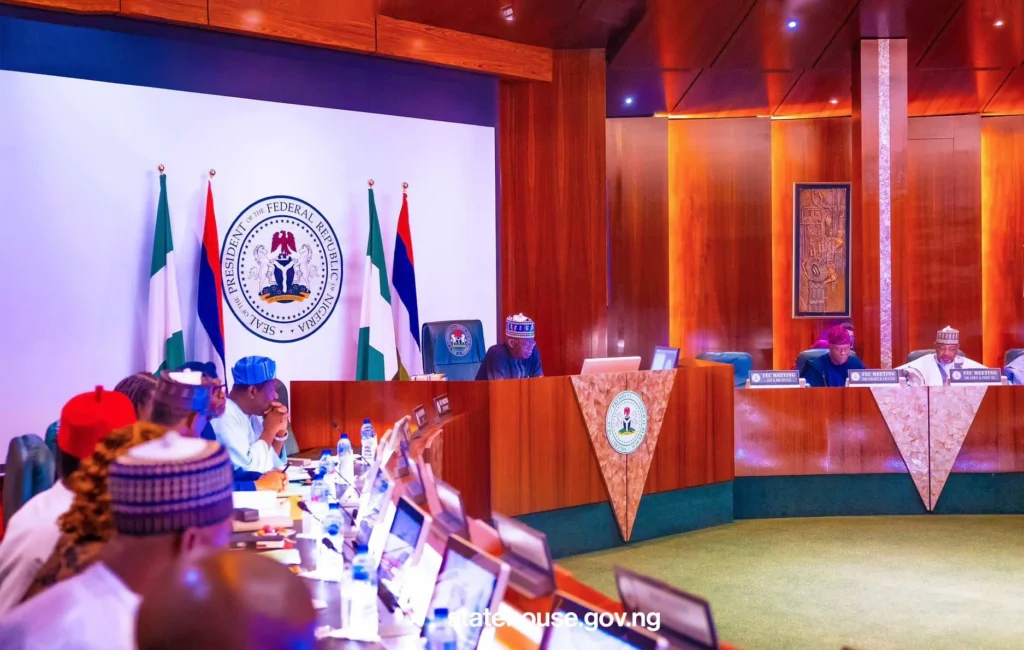
Tegbe reaffirmed the committee’s readiness to work diligently and transparently, stating, “We understand the strategic importance of these Tax Acts. Our committee will work closely with all stakeholders to support the Minister of Finance and Coordinating Minister of the Economy in ensuring seamless implementation and building public trust in the tax system.”
Commenting on the committee’s establishment, Edun said, “With the establishment of this committee, Mr President has not only set the direction but also provided the authority and support required to reset not just the tax system but the entire fiscal policy framework of Government, to deliver significant economic growth for the benefit of all Nigerians.”
What you should know
President Tinubu’s establishment of the National Tax Policy Implementation Committee signals a major step toward enforcing Nigeria’s new tax laws and improving public revenue management.
By appointing seasoned professionals and emphasising nationwide consultation, the administration aims to strengthen fiscal discipline, reduce revenue leakages, and build a fairer, technology-driven tax framework that supports both economic growth and investor confidence.