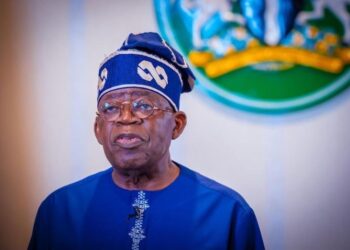
President Bola Ahmed Tinubu has inaugurated an 11-member committee tasked with overseeing the smooth establishment of the Grid Asset Management Company Limited (GAMCO).
The development followed the approval granted by the Federal Executive Council during its Wednesday meeting to create the new company as part of ongoing reforms in Nigeria’s electricity sector.
According to a statement released by the President’s media aide, Bayo Onanuga, the creation of GAMCO is designed to provide a rapid solution to persistent issues affecting electricity generation, transmission management, and grid stability across the country.
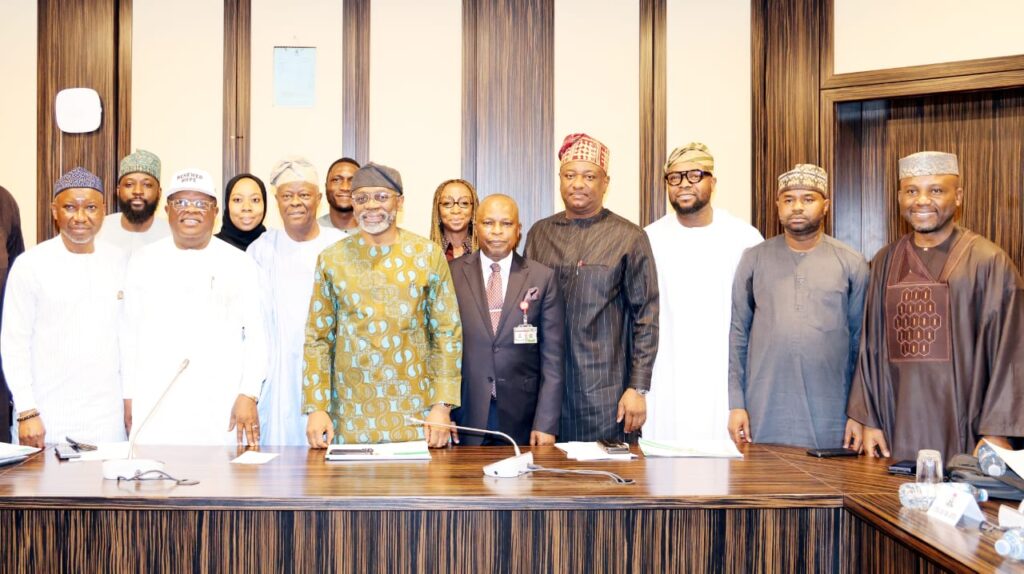
The Chief of Staff to the President, Femi Gbajabiamila, officially inaugurated the committee on Friday on behalf of the President. He emphasised that the body would play a key role in achieving the administration’s goals of improving Nigeria’s power infrastructure and addressing structural inefficiencies within the sector.
“The proposed establishment of GAMCO is one of the revolutionary steps taken by Mr. President and this administration in the all-important power sector. We are here for the inauguration of the Committee on Grid Asset Management Company (GAMCO), which is basically to optimise and revolutionise power generation, and in particular, the grid and transmission sector,” Gbajabiamila said during the inauguration ceremony.
He urged members of the committee to align fully with the President’s vision behind the initiative and to remain focused on the mandate assigned to them.
Gbajabiamila explained that the committee would undertake a comprehensive evaluation of existing laws, policies, regulatory frameworks, and institutional arrangements governing Nigeria’s electricity value chain, including generation, transmission, distribution, and market operations.
“It will examine the implications of the Electricity Reform Laws (2025) and related unbundling arrangements on asset ownership, management, and regulatory oversight. It will identify areas of conflict, overlap, or inconsistency between the proposed GAMCO framework and extant legal and regulatory instruments.
“The committee will also assess the legal status, ownership structure, and contractual obligations of the Niger Delta Power Holding Company (NDPHC) and National Integrated Power Project (NIPP) assets, including the Omotosho, Olorunshogo, and Ihovbor plants, which GAMCO plans to use for its pilot phase.
“It will evaluate the interface between GAMCO’s proposed mandate and the statutory functions of the Nigeria Electricity Regulatory Commission and determine the fiscal, financial, and market implications of the proposal, including subsidy exposure, market liquidity, and revenue frameworks,” the statement read.
The committee is also expected to determine whether the operationalisation of GAMCO would require amendments to existing primary legislation, subsidy regulations, or executive directives.
Gbajabiamila serves as chairman of the committee, while the Attorney-General of the Federation and the ministers responsible for power, works, and finance are included as members.
Other members include the ministers overseeing communications and digital economy, science and technology, aviation and aerospace development, as well as the minister of state for petroleum. Also participating in the committee are the chairman of the Nigeria Revenue Service and energy expert Yemi Oke.
The Permanent Secretary of the Cabinet Affairs Office, John Ezeamama, will serve as secretary to the committee.
The Grid Asset Management Company Limited is designed to recover and optimise stranded electricity generation, beginning with a pilot programme along the Benin-Lagos transmission corridor. This corridor plays a strategic role in evacuating bulk electricity supply to Lagos State and Ogun State, which are among Nigeria’s most significant industrial and commercial hubs.
The initiative is expected to tackle long-standing problems within the power sector through improved operational efficiency, stronger asset management, and the mobilisation of private capital, thereby strengthening electricity reliability and boosting the country’s competitiveness.
Under the proposal, the Federal Government will maintain full ownership of GAMCO as a commercial venture, with its shares held by the Ministry of Finance Incorporated.
The new company is also expected to modernise transmission evacuation infrastructure, starting from critical points within Nigeria’s electricity network.
During the pilot phase, attention will be placed on maximising output from three National Integrated Power Project plants: Omotosho, Olorunsogo, and Ihovbor. Omotosho has an installed capacity of 513 megawatts, Olorunsogo produces 754 megawatts, while Ihovbor has a capacity of 508 megawatts.
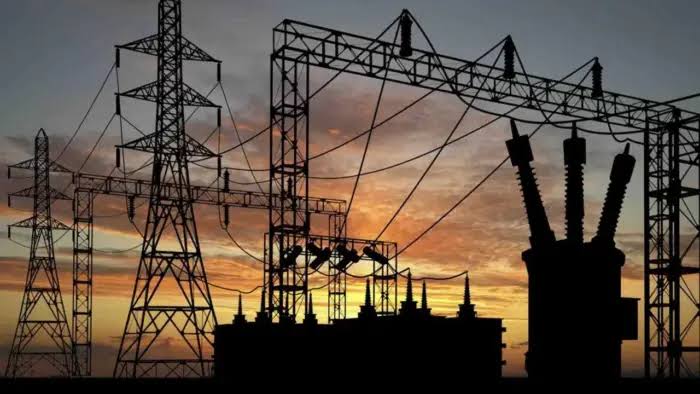
The GAMCO initiative projects that at least 1,600 megawatts of electricity could be recovered within an estimated 18 to 24 months. Plans also include constructing a new high-capacity 330kV double-circuit transmission line along the Benin-Lagos corridor to strengthen power delivery.
If the pilot phase succeeds, the model will be expanded to cover additional power plants and transmission corridors, forming a broader strategy for long-term grid stability and expansion across the country.
According to the statement, large federal investments in NIPP generation assets have remained under-utilised because of operational inefficiencies and transmission bottlenecks, resulting in significant stranded generation capacity and limited returns on public investment.
The government believes GAMCO will unlock the idle capacity of the selected NIPP facilities while simultaneously developing a parallel high-capacity transmission route along the Benin-Lagos axis, enabling these underperforming assets to deliver reliable electricity supply.
The statement further explained that the Niger Delta Power Holding Company would grant concession and lease arrangements for the three selected plants to GAMCO, while the Transmission Company of Nigeria would authorise the new company to develop, finance, and operate a greenfield 330kV double-circuit independent transmission line along the corridor.
The initiative is ultimately intended to enhance industrial productivity, protect jobs, improve investor confidence, and increase economic welfare for Nigerian households, aligning with the broader economic reform agenda of the Tinubu administration.
What you should know
President Bola Ahmed Tinubu has prioritised electricity sector reforms as a major component of his economic agenda.
Nigeria continues to struggle with inadequate power generation, weak transmission infrastructure, and stranded generation capacity despite billions of dollars invested in the sector. The proposed Grid Asset Management Company Limited (GAMCO) is designed to address these structural problems by optimising existing generation assets and strengthening the transmission network.
If successfully implemented, the initiative could significantly improve electricity supply, support industrial growth, and reduce the persistent energy shortages affecting businesses and households across Nigeria.