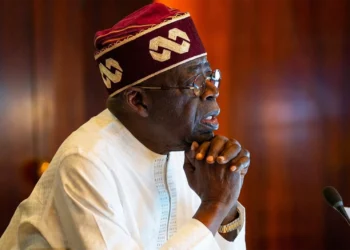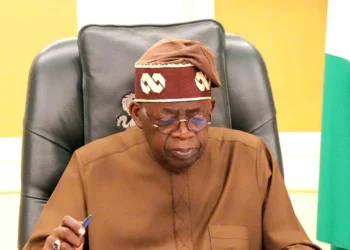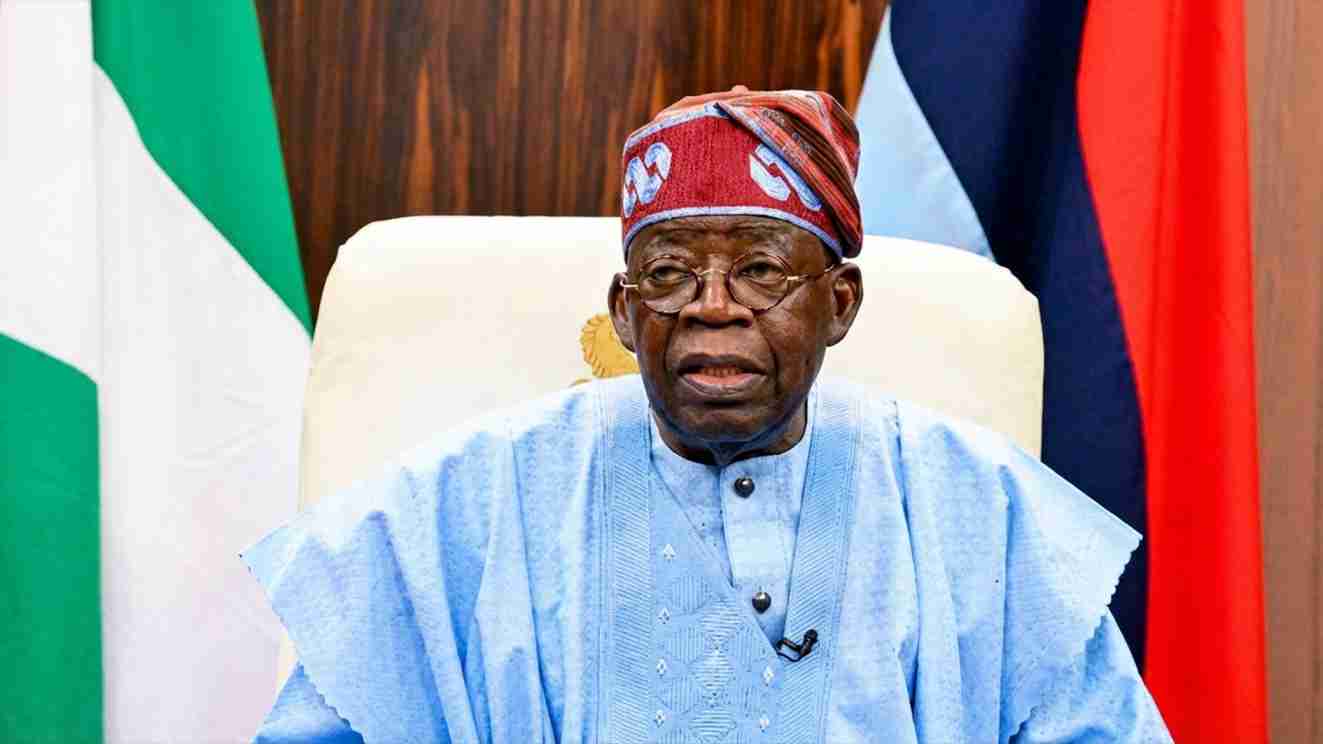
Bola Ahmed Tinubu has appointed Adeyinka Famadewa as Special Adviser on Homeland Security, creating the role for the first time at the federal level in Nigeria’s history.
The appointment was announced on Monday in a statement from the Office of the Secretary to the Government of the Federation through a circular signed by George Akume and issued by the Permanent Secretary of the General Services Office, Ibrahim Abubakar Kana.
According to the statement, the appointment reflects the administration’s determination to strengthen internal security coordination, improve intelligence-driven operations, and deepen collaboration among security agencies in tackling emerging threats across the country.
The creation of the office marks a major shift in Nigeria’s security structure.
Although some state governments have occasionally created similar advisory roles, no previous Nigerian president has established a dedicated Homeland Security Adviser position within the presidency.
Until now, Nigeria’s national security advisory framework has largely revolved around the office of the Office of the National Security Adviser.
The introduction of this new office signals an effort to broaden the federal government’s strategic security architecture.
Famadewa brings more than three decades of military and intelligence experience to the newly created role.
His career has covered critical areas including national security strategy, intelligence fusion, counter-terrorism operations, and international security diplomacy.
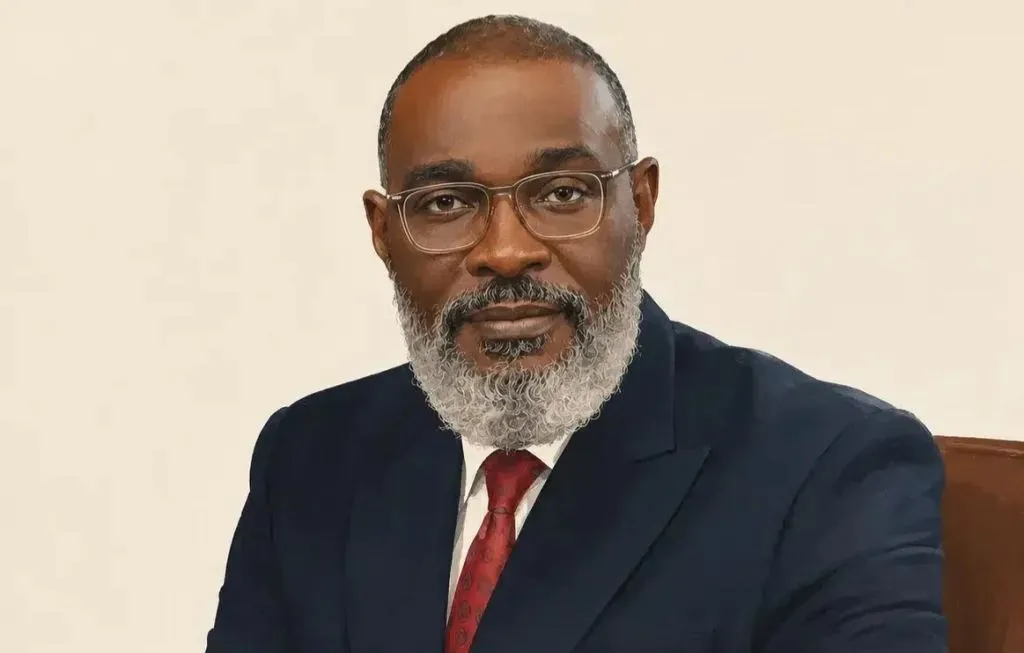
One of his most notable assignments was his service as Principal General Staff Officer to the National Security Adviser at the Office of the National Security Adviser between 2015 and 2021.
During that period, he played a key role in establishing the Intelligence Fusion Centre.
The multi-agency intelligence platform was designed to improve coordination among major security institutions, including the Defence Intelligence Agency, National Intelligence Agency, Department of State Services, Nigeria Police Force, and the Armed Forces.
The platform significantly enhanced strategic threat assessment and response coordination.
Following his retirement from active military service, Famadewa joined the Nigerian Army Resource Centre as a senior research fellow.
There, he contributed to policy development in areas such as policing, civil-security cooperation, and national security reform.
He is also the author of the monograph, Policing and National Security in Nigeria, which has been recognised for offering practical recommendations on strengthening civil-security collaboration.
President Tinubu expressed confidence that Famadewa’s appointment would deepen coordination of homeland security initiatives, strengthen intelligence integration, and improve proactive risk management across Nigeria.
The President also urged the retired military officer to deploy his experience in advancing the administration’s Renewed Hope Agenda.
The appointment comes at a time when Nigeria continues to face complex internal security challenges ranging from insurgency and banditry to cyber threats and communal conflicts.
Analysts say the creation of the new office could redefine how security coordination is managed at the highest levels of government.
What You Should Know
The creation of a Special Adviser on Homeland Security is a notable institutional shift in Nigeria’s federal security framework.
Traditionally, security coordination has been centralised under the National Security Adviser. This new office could create a more specialised structure for domestic threat response, intelligence integration, and inter-agency collaboration.
Adeyinka Famadewa’s background in intelligence fusion and counter-terrorism suggests the administration is prioritising a more coordinated approach to internal security challenges facing the country.