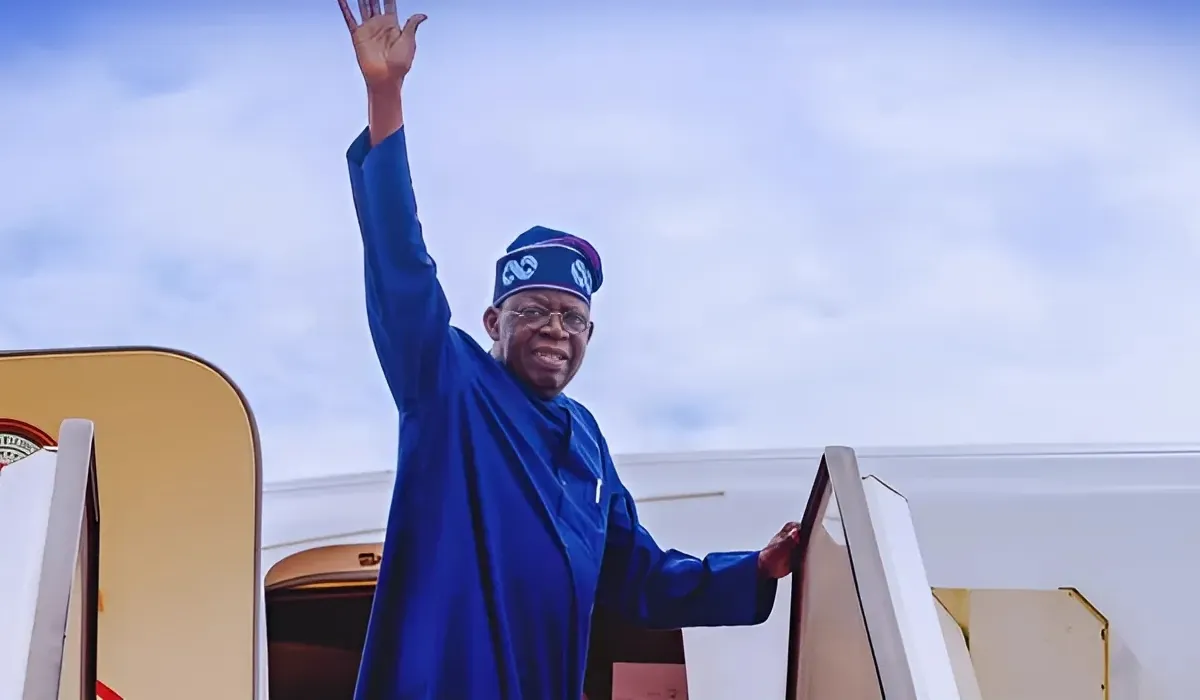
President Bola Tinubu on Thursday night departed London after completing a two-day historic visit at the invitation of the British royal family.
The President, accompanied by the First Lady, Oluremi Tinubu, had earlier left Abuja on Tuesday, March 17, for a State Visit to the United Kingdom as guests of Their Majesties Charles III and Camilla.
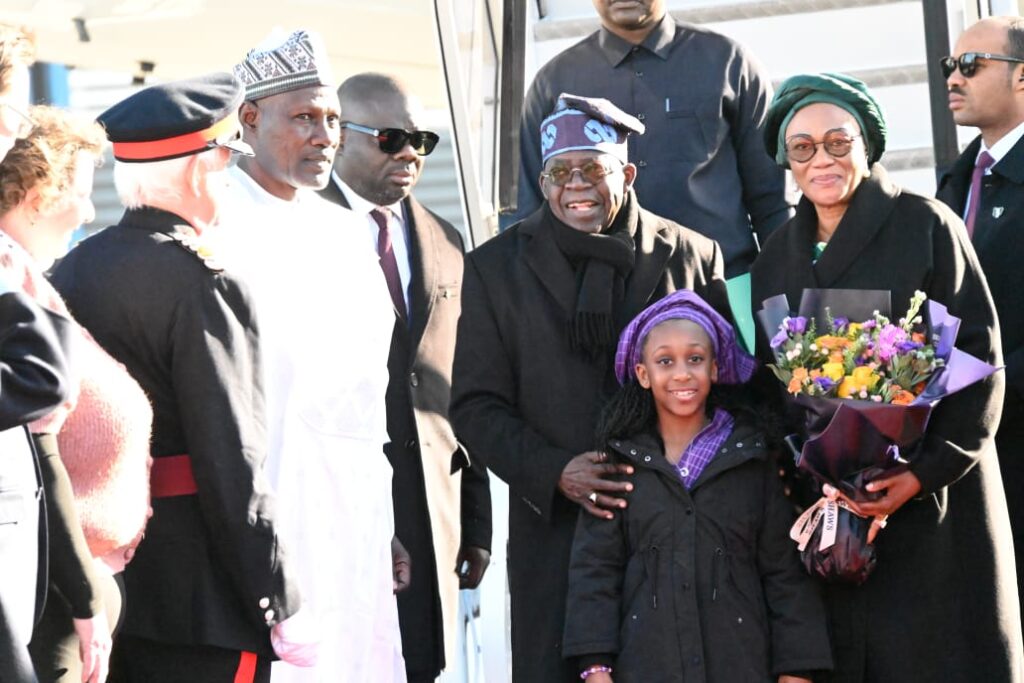
During the visit, King Charles hosted the President and his delegation at Windsor Castle from Wednesday, March 18, to Thursday, March 19.
The visit marked the first time in 37 years that a Nigerian leader embarked on a state visit to the UK and also made Tinubu the first Nigerian President to be received by a British monarch at Windsor Castle.
Nigeria and the United Kingdom share longstanding historical ties, and the visit served as an opportunity to deepen bilateral cooperation in key areas such as immigration, trade, investment, and cultural exchange.
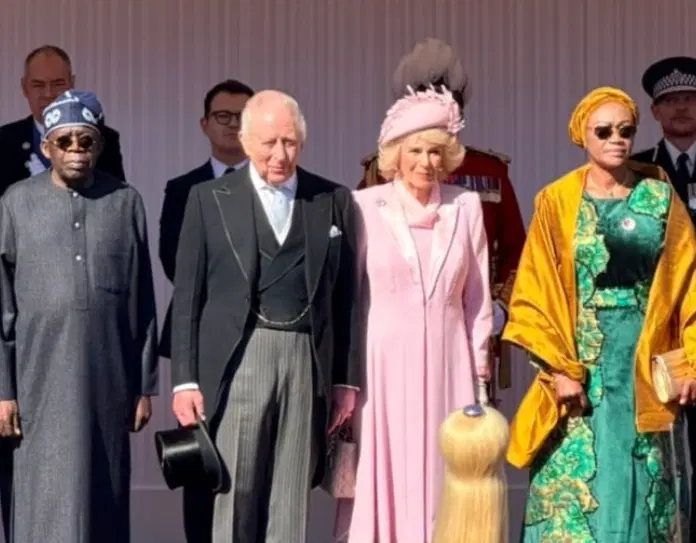
While at Windsor Castle, the royal hosts invited the President and the First Lady to a special exhibition from the Royal Collection showcasing items connected to Nigeria.
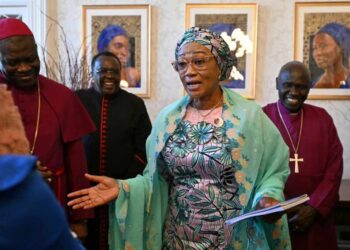
The visit also featured private discussions between King Charles and President Tinubu, alongside meetings with organisations involved in interfaith dialogue at both national and international levels.
A state banquet was held in honour of the Nigerian delegation by the Royal Family, highlighting the significance of the visit.
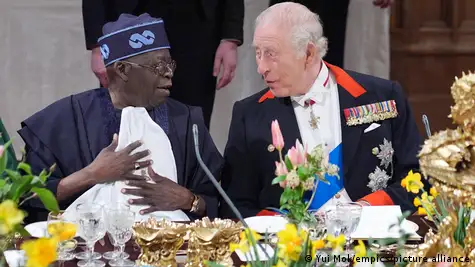
President Tinubu also held a bilateral meeting with UK Prime Minister Keir Starmer at 10 Downing Street. The engagement led to strengthened relations between both nations, with several Memoranda of Understanding and agreements signed, covering trade, investment, defence, and cultural cooperation.
What you should know
President Tinubu’s visit to the United Kingdom is considered a major diplomatic milestone, as it is the first such state visit by a Nigerian leader in nearly four decades.
The trip focused on strengthening bilateral ties between both nations, particularly in areas that can boost economic growth and security cooperation.
High-level engagements with the British monarchy and government officials also signal renewed commitment to deepening Nigeria–UK relations, especially with the large Nigerian diaspora contributing significantly to the UK economy and society.