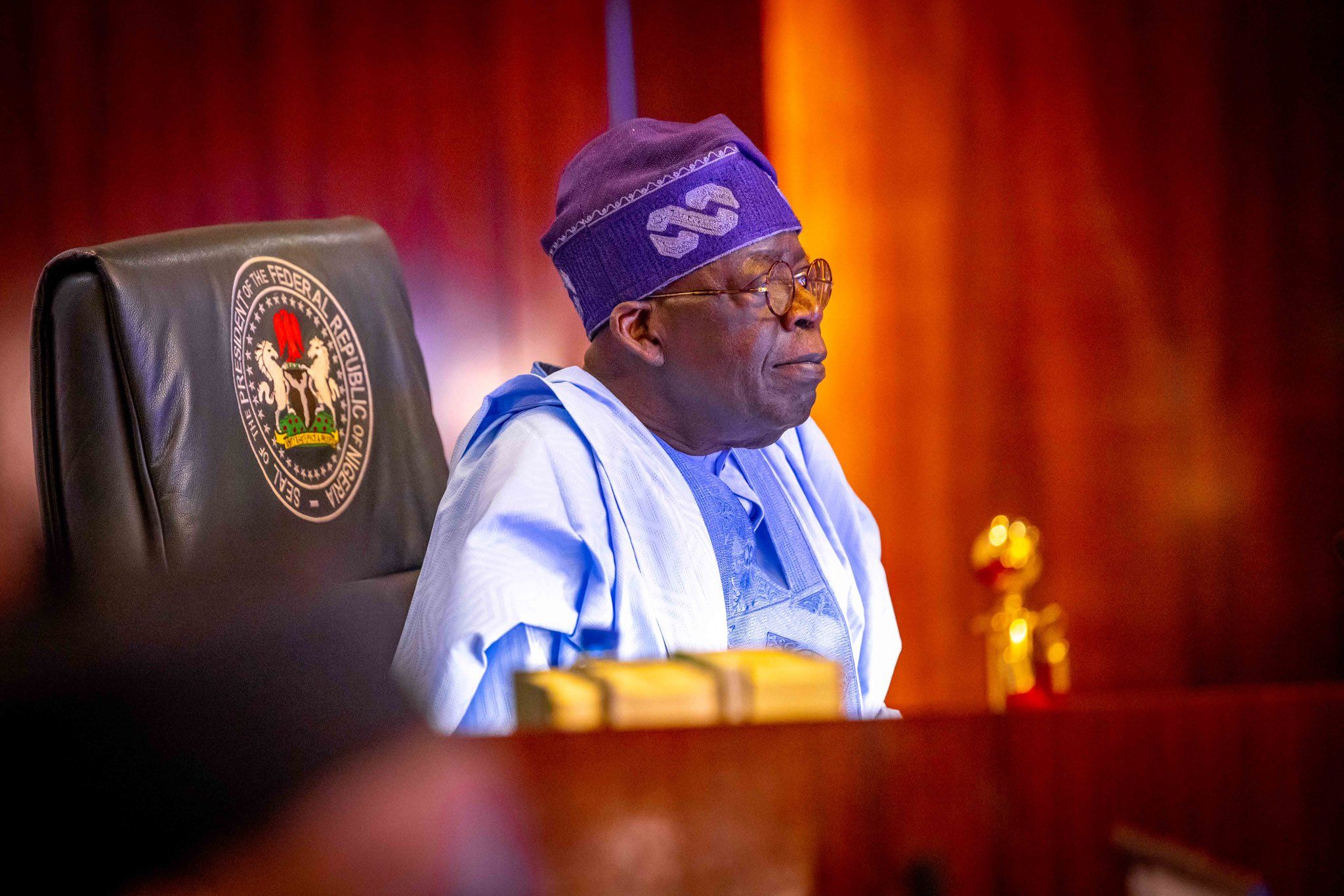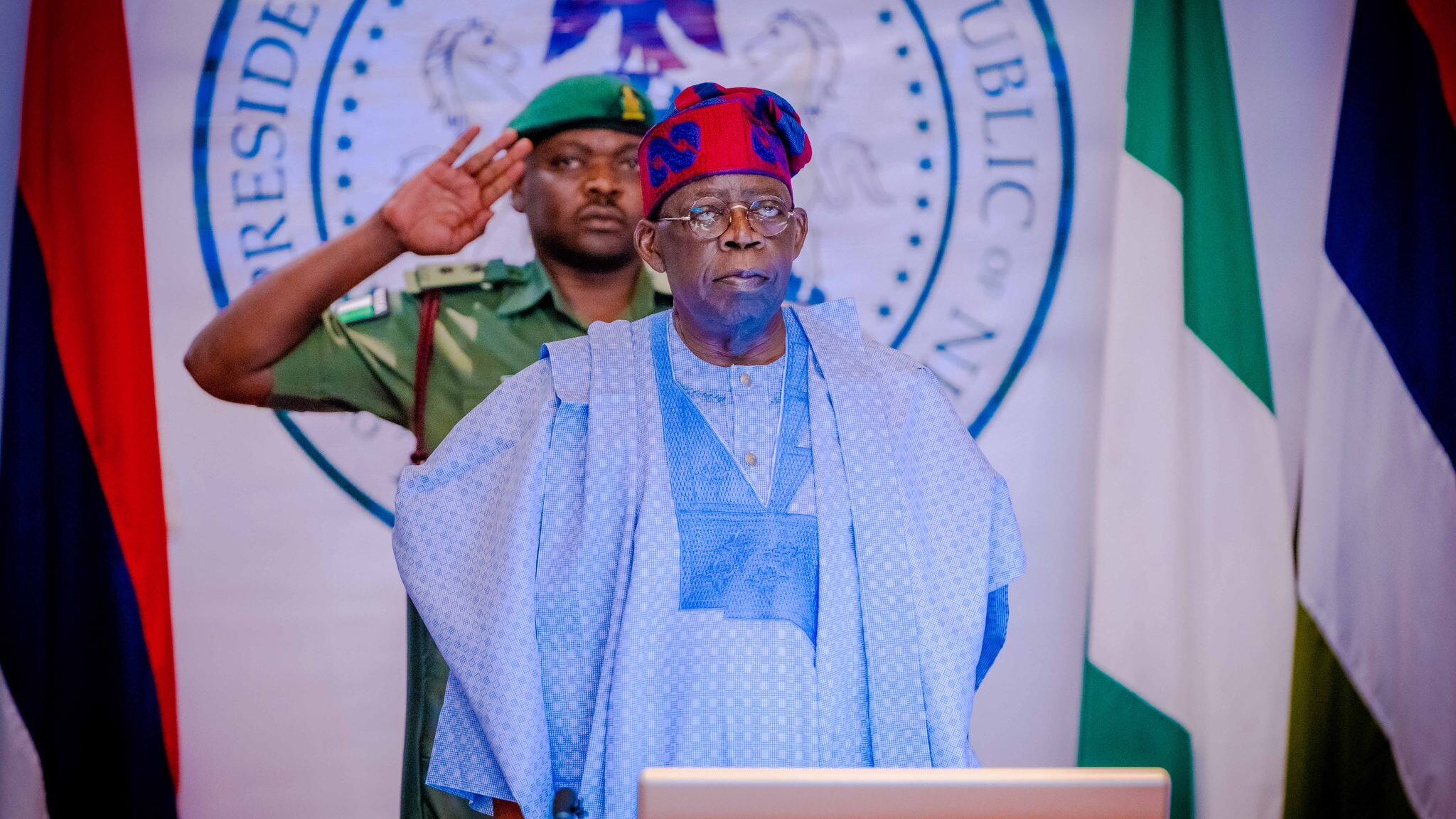
President Bola Tinubu has assured Nigerians that the ongoing recalibration of the nation’s security architecture will soon produce positive outcomes.
He gave the assurance on Friday while receiving a delegation of the Christian Association of Nigeria (CAN), led by its President, Archbishop Daniel Okoh, at his Lagos residence. The meeting was disclosed in a statement by the President’s Special Adviser on Information and Strategy, Bayo Onanuga.
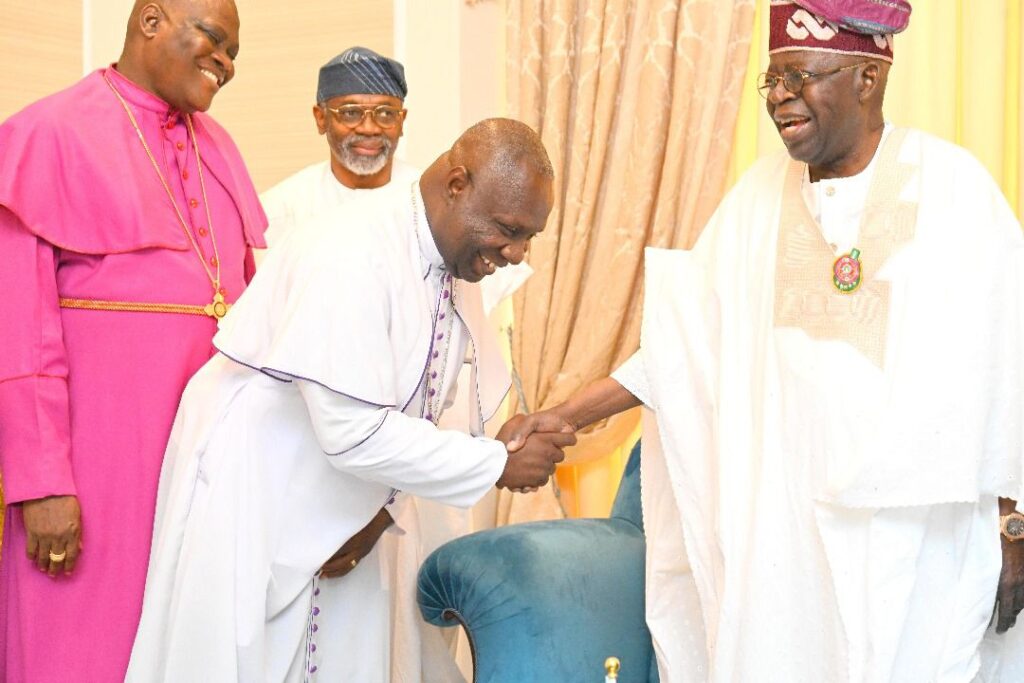
President Tinubu said his administration remains firmly committed to the establishment of state and community police as part of efforts to fundamentally change Nigeria’s security narrative. He called on CAN to work closely with his government to achieve the country’s collective aspirations, noting that some of the measures being implemented require time to mature.
“The mood of the nation is peaceful, although our ungoverned spaces are so large. The challenge is real, but we will surmount it. We are very religious. We are prayer warriors. We need your focus, vigilance, and cooperation.
“Community and State Police will be a reality once the National Assembly completes the required legislative inputs; Military hardware is difficult to replace. It is expensive and not available off the shelf.
“Our orders for four attack helicopters from the United States of America will take some time to arrive. We have approached Turkey for assistance.”
The President acknowledged that delays in acquiring military equipment have affected public perception of his administration’s commitment to tackling insecurity, but stressed that the government is not relenting in its determination to restore peace and prosperity across the country, despite the guerrilla tactics employed by bandits and insurgents.
Speaking on the recent abduction and subsequent release of school children in Niger and Kebbi states, Tinubu urged Nigerians to remain vigilant, adding that “the rhetoric on how the children were released or what happened to the kidnappers is secondary; the end justifies the means.”
In his response, CAN President Archbishop Daniel Okoh assured the President of the association’s support.
“You are our President. The Church has no choice but to support you and your administration.”
He also acknowledged receipt of palliatives usually extended to the Christian body during religious festivities and even outside festive periods. Archbishop Okoh commended President Tinubu’s commitment and zeal in addressing Nigeria’s socio-economic and security challenges and encouraged him to remain steadfast.
“We acknowledge that the task before you is daunting, but we are assured of your sagacity. The Christian community is committed to ensuring that you succeed.
“Your commitment has closed the gap between the government and the Church. This has never happened before, and we are willing to work with you because we have seen genuine intentions,” he said.
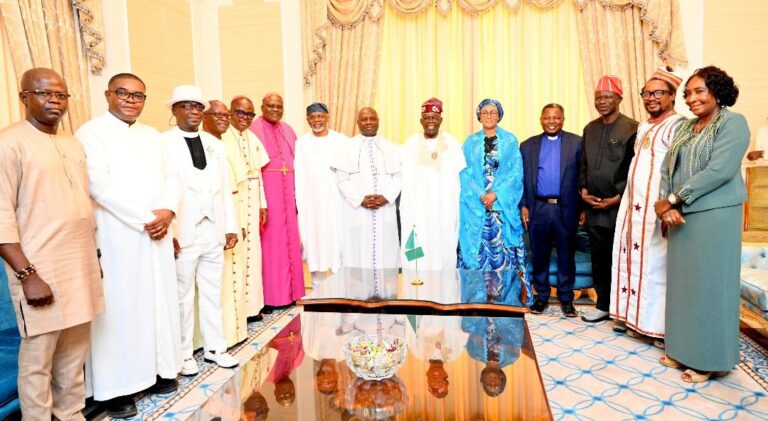
The CAN President, however, appealed to the President to engage directly with the association through its established structures across the 774 local governments nationwide. He also requested the release of funds to the Christian Pilgrims’ Board to enable it to effectively carry out its mandate.
Other members of the delegation included the Vice President of CAN, Rev. Dr Stephen Panya Baba; President of the Pentecostal Fellowship of Nigeria, Bishop Francis Wale Oke; representatives of the Organisation of African Instituted Churches, the Catholic and Methodist blocs, as well as the CAN Chairman in Lagos State, Bishop Stephen Adegbite.
What you should know
President Tinubu’s meeting with CAN comes amid heightened public concern over insecurity across Nigeria.
The administration has repeatedly pointed to structural reforms, including the planned introduction of state and community policing, as long-term solutions. While procurement delays for military hardware have drawn criticism, the government maintains that international engagements with countries such as the United States and Turkey are ongoing.
Religious leaders remain key stakeholders in the administration’s outreach strategy, as the government seeks moral support, cooperation, and grassroots engagement to complement security operations nationwide.