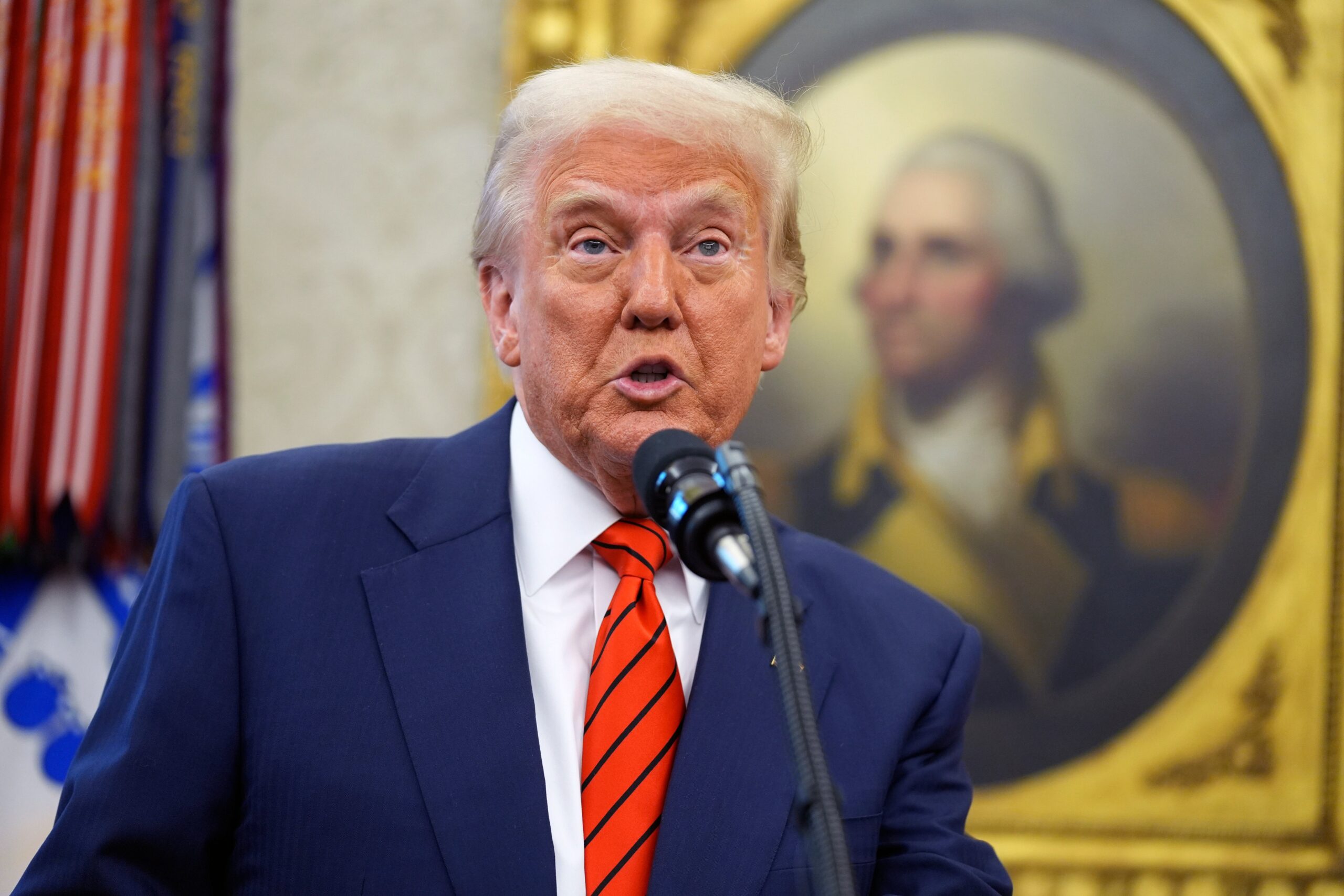
President Bola Tinubu has approved the implementation of a 15 per cent ad-valorem import duty on petrol and diesel imports into Nigeria, a move aimed at protecting domestic refineries and ensuring greater stability within the downstream oil sector.
In a directive dated October 21, 2025, and made public on Wednesday, Tinubu instructed the Federal Inland Revenue Service (FIRS) and the Nigerian Midstream and Downstream Petroleum Regulatory Authority (NMDPRA) to begin immediate enforcement of the new tariff. The measure is part of what the government describes as a “market-responsive import tariff framework.”
The official communication, signed by the President’s Private Secretary, Damilotun Aderemi, confirmed Tinubu’s approval of a proposal submitted by FIRS Chairman Zacch Adedeji. The proposal recommended imposing a 15 per cent duty on the cost, insurance, and freight (CIF) value of imported petrol and diesel to reflect real market conditions and encourage domestic production.
In his memo, Adedeji explained that the policy is aligned with Nigeria’s “Renewed Hope Agenda,” designed to enhance energy security and promote economic stability.
“The core objective of this initiative is to operationalise crude transactions in local currency, strengthen local refining capacity, and ensure a stable, affordable supply of petroleum products across Nigeria,” Adedeji wrote.
He highlighted that disparities between local refining prices and import parity benchmarks have contributed to persistent market instability.
“While domestic refining of petrol has begun to increase and diesel sufficiency has been achieved, price instability persists, partly due to the misalignment between local refiners and marketers,” he stated.
Adedeji warned that import parity pricing often falls below cost recovery levels for domestic refiners, especially amid currency and freight rate fluctuations, threatening the viability of local producers.
According to him, the government now bears a dual responsibility “to protect consumers and domestic producers from unfair pricing practices and collusion while ensuring a level playing field that allows refiners to recover costs and attract investment.”
He added that the 15 per cent tariff would prevent duty-free fuel imports from undercutting local refiners, thereby fostering a fair and competitive downstream market.
Projections included in the presidential approval note show that the new import duty could increase the landing cost of petrol by about ₦99.72 per litre.
“At current CIF levels, this represents an increment of approximately 99.72 per litre, which nudges imported landed costs toward local cost-recovery without choking supply or inflating consumer prices beyond sustainable thresholds. Even with this adjustment, estimated Lagos pump prices would remain in the range of N964.72 per litre ($0.62), still significantly below regional averages such as Senegal ($1.76 per litre), Cote d’Ivoire ($1.52 per litre), and Ghana ($1.37 per litre),” the letter stated.
The new measure forms part of Nigeria’s broader effort to reduce dependence on imported petroleum products and expand domestic refining output.
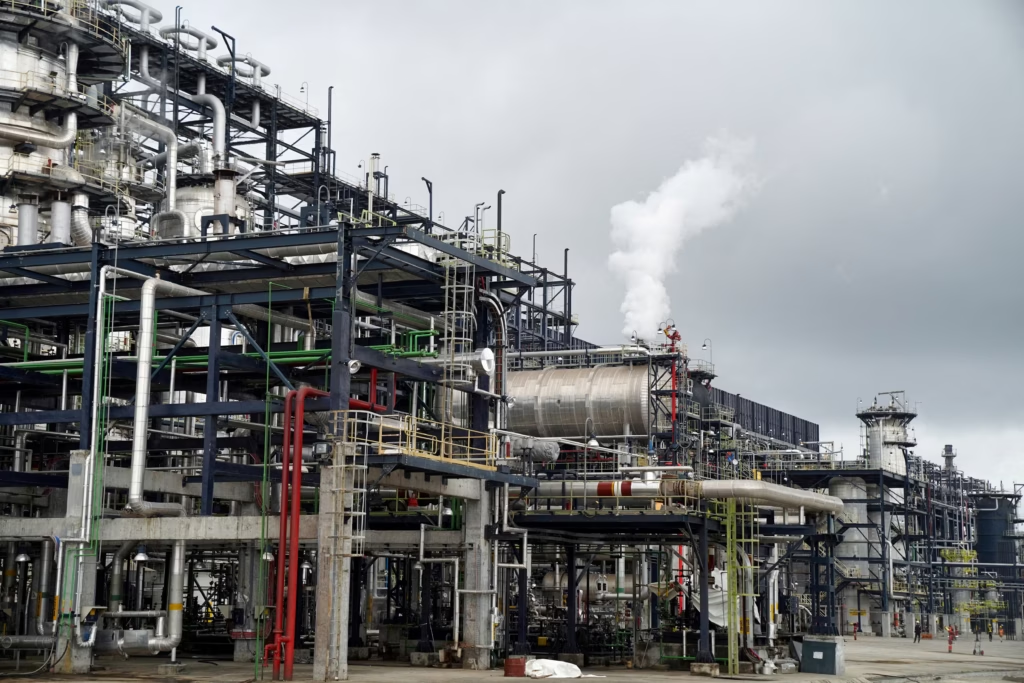
Currently, the 650,000-barrels-per-day Dangote Refinery in Lagos has commenced production of diesel and aviation fuel, while modular refineries in Edo, Rivers, and Imo states are refining petrol on a smaller scale.
Despite these gains, imported petrol still accounts for roughly 67 per cent of Nigeria’s total fuel consumption.
What you should know
President Tinubu’s approval of a 15 per cent import duty on petrol and diesel reflects a major step toward protecting Nigeria’s emerging refinery ecosystem and promoting local energy self-sufficiency.
The move seeks to balance market forces, stabilise fuel pricing, and support the “Renewed Hope Agenda” for sustainable economic growth.