Tesla unveiled its first showroom in India on Tuesday at the prestigious Bandra Kurla Complex in Mumbai, marking a watershed moment for the electric vehicle giant as it finally enters the world’s most populous nation after years of regulatory negotiations and market speculation.
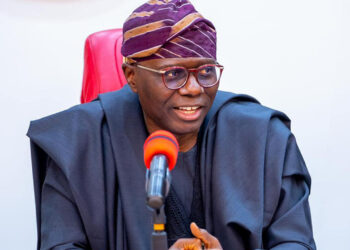
The showroom opened at Maker Maxity Mall, representing Tesla’s first official foray into India’s nascent but rapidly growing electric vehicle market. The inauguration, attended by Maharashtra state chief minister Devendra Fadnavis, signals the company’s strategic pivot toward emerging markets as it grapples with declining sales in its core Western markets.
This India launch comes at a crucial juncture for Tesla, which has seen demand for its vehicles plateau in the United States and Europe. The company’s expansion into India represents both an opportunity and a significant challenge, as it navigates a market characterized by price-sensitive consumers and limited electric vehicle infrastructure.
Tesla’s path to India has been marked by prolonged negotiations over the country’s notoriously high import tariffs on electric vehicles. CEO Elon Musk, who once described India as having “more promise than any large country,” has been vocal in his criticism of these duties, calling them among the “highest in the world.” The Indian government has offered to reduce these tariffs, but only in exchange for substantial local investment commitments from automakers.
The pricing strategy reflects these important challenges. Tesla’s Model Y variants will start at approximately $70,000 in India, nearly double the $37,490 price tag in the United States after federal tax credits. This significant price differential positions Tesla squarely in the luxury vehicle segment, competing against established premium brands rather than targeting the mass market.
Industry analysts project modest initial sales volumes. Counterpoint’s senior analyst Soumen Mandal forecasts 500-700 units in the first months, tapering to 200-300 per month thereafter. This conservative outlook reflects both the premium pricing and the limited scope of India’s electric vehicle market, which accounted for less than three percent of total car sales in 2024.
The immediate strategy involves importing vehicles from Tesla’s Chinese manufacturing facilities, with deliveries expected to commence in late August. However, Tesla has yet to announce plans for local manufacturing, a move that would be necessary to achieve competitive pricing and significant market penetration.
India’s electric vehicle landscape, while small in absolute terms, is experiencing rapid growth. The market sold approximately 100,000 electric vehicles in 2024, representing tremendous potential for expansion as infrastructure develops and consumer acceptance grows. The government’s push for electric vehicle adoption, combined with increasing environmental awareness among urban consumers, creates a favorable long-term outlook.
The timing of Tesla’s entry coincides with ongoing trade negotiations between India and the United States, including discussions about potential tariff reductions on automobiles. Musk’s February meeting with Prime Minister Narendra Modi in Washington underscored the high-level attention this market entry has received.
Tesla’s India debut represents more than just another market expansion; it symbolizes the company’s adaptation to a multipolar automotive world where growth increasingly depends on emerging markets. Success in India could provide a template for other developing economies, while failure might signal the limits of Tesla’s premium positioning in price-sensitive markets.
As Tesla’s Mumbai showroom opens its doors to select visitors, the company faces the challenge of building brand awareness and customer confidence in a market where electric vehicles remain a novelty. The outcome of this venture will be closely watched by competitors and investors alike, as it may well determine Tesla’s future trajectory in the world’s fastest-growing major economy.
WHAT YOU SHOULD KNOW
Tesla’s Mumbai showroom opening represents a high-stakes bet on emerging markets as the EV giant faces declining sales in the West. Analysts predict modest sales of just 200-700 units monthly, positioning Tesla as a luxury player rather than a mass-market disruptor.
With India’s EV market accounting for under 3% of total car sales, Tesla’s success hinges on whether premium pricing can sustain growth while the company navigates trade negotiations and considers local manufacturing.