Benin’s military has intensified efforts to track down fleeing soldiers linked to a failed coup attempt over the weekend, an incident that left several people dead as neighbouring West African nations prepared to offer military backing.
Loyalist military officials said at least a dozen suspects had been apprehended, and by Monday, every hostage, including senior officers, had been released.
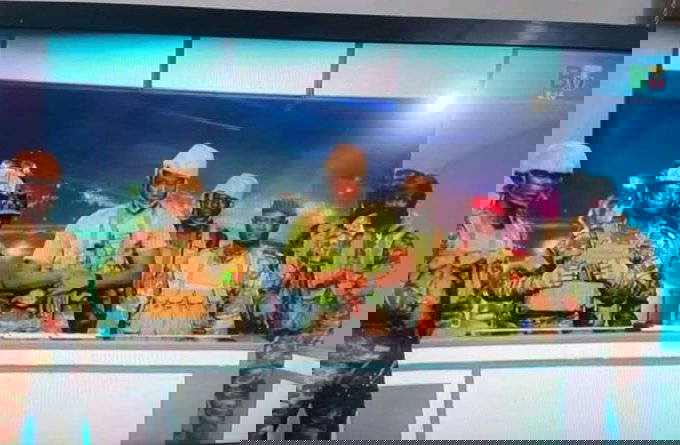
Cotonou, the commercial centre of the country, had regained calm by Monday afternoon, with traffic flowing normally, AFP journalists observed. This came barely a day after a faction of soldiers appeared on state television claiming they had removed the president from power.
President Patrice Talon appeared on national TV later on Sunday, assuring citizens that the situation was “completely under control”.
The 67-year-old leader is expected to leave office in April after completing the constitutional two-term limit. Benin has recently grappled with rising jihadist threats in the northern region.
The coup attempt emerged amid a wave of military takeovers across West Africa, including in Niger and Burkina Faso to the north, as well as Mali, Guinea, and more recently, Guinea-Bissau.
According to government accounts, “violent clashes” broke out between the mutinous soldiers and the Republican Guard at Talon’s residence in Cotonou, resulting in “casualties on both sides”.
Among the dead was the wife of General Bertin Bada, the president’s military chief of staff.
Benin quickly requested support from neighbouring Nigeria, which confirmed late Sunday that it had conducted military strikes in Cotonou and deployed personnel.
ECOWAS, the regional political bloc, also announced plans to send forces to support Benin’s government, but a planned meeting in Abidjan on Monday was cancelled. The bloc had previously issued threats of intervention during Niger’s 2023 coup but never implemented them.
A military insider told AFP on Monday that it was “not in a position to say how many” individuals were involved in the attempted takeover or how many were still on the run. However, officials believed several had escaped into rural areas.
“The search continues,” the source stated, noting that “there have been arrests”.
Other sources confirmed about a dozen arrests, although the suspected coup ringleader, Lieutenant Colonel Pascal Tigri, remained at large.
All remaining hostages had been “released”, according to the military source.
Two senior officers, Chief of Army Staff Abou Issa and Colonel Faizou Gomina, were abducted but later freed overnight.
Prioritise Dialogue
In his Sunday night address, Talon said the nation had “stood firm” and “cleared the last pockets of resistance”.
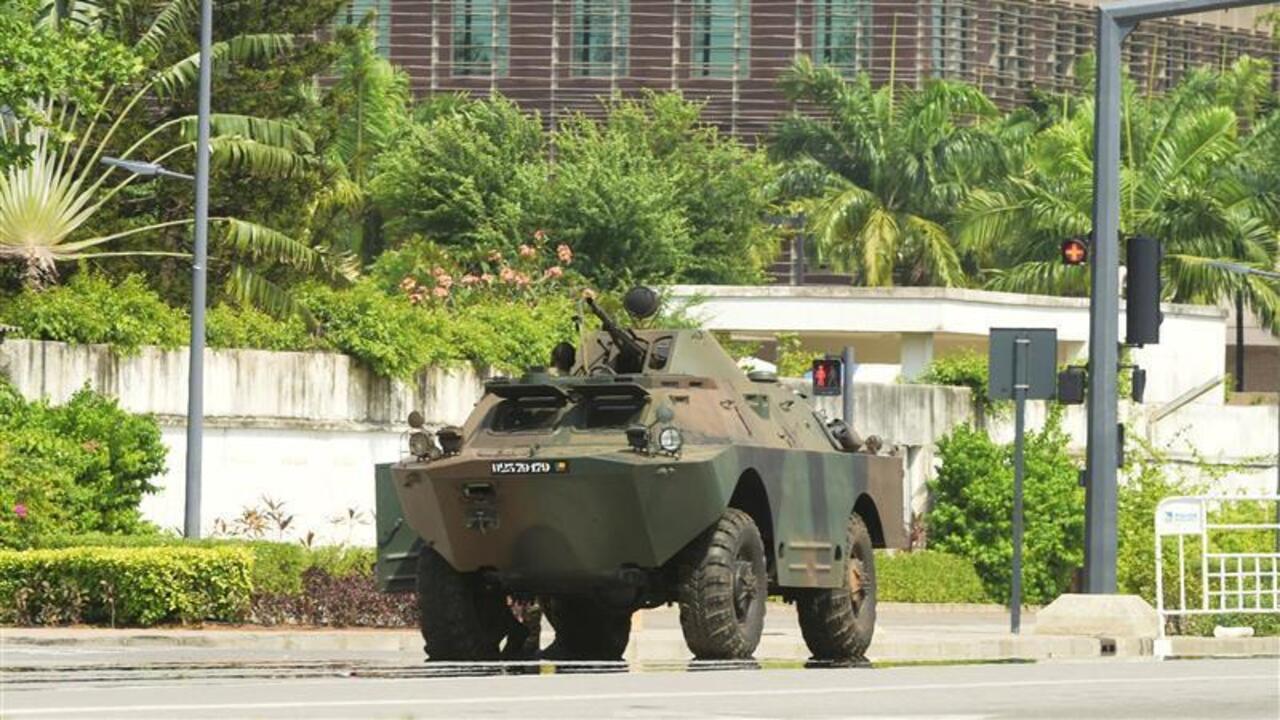
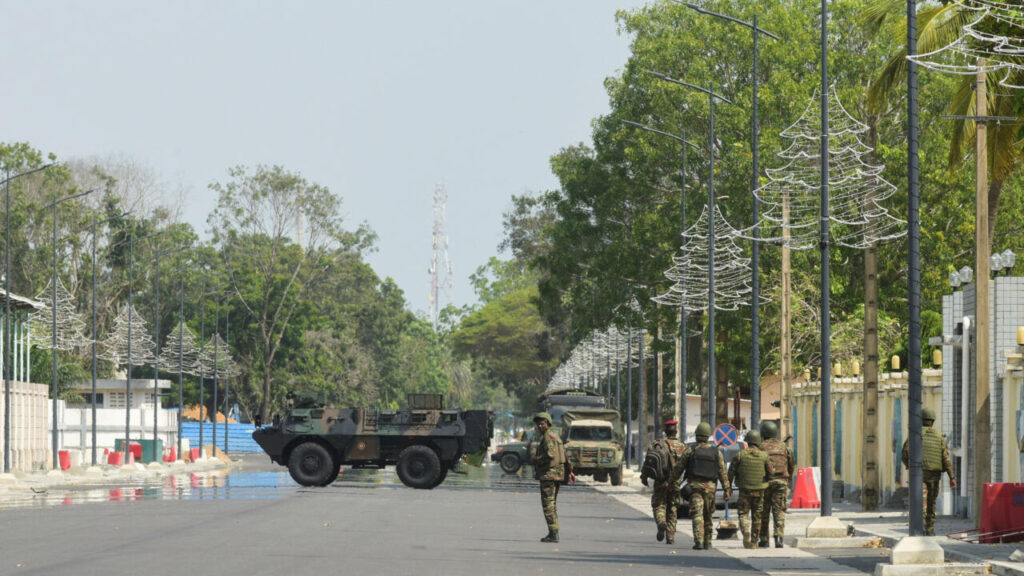
On Monday afternoon, access roads leading to the presidential residence were restricted, and military tanks were sighted in various locations across Cotonou.
ECOWAS said troops from Ghana, Ivory Coast, Nigeria, and Sierra Leone were being mobilised to assist Benin in maintaining “constitutional order”.
The coup attempt has been widely condemned by the United Nations, France, the African Union, and ECOWAS.
Benin’s constitution bars Talon from seeking a third term, but his preferred successor, Finance Minister Romuald Wadagni, is projected to be a leading candidate in the April election.
The main opposition party, the Democrats, was barred from participating because its candidate did not secure the required number of sponsors.
In a statement seen by AFP, the party said it “rejects any seizure of power by force and strongly condemns these acts that do not honour our country”.
“This heinous and tragic event once again highlights the need for all political actors in our country to prioritise dialogue,” the party added.
Although Talon is credited with transforming Benin’s economy, his critics accuse him of tightening political freedoms in a country once praised for its vibrant democracy.
Since gaining independence from France in 1960, Benin has witnessed multiple coups and attempted coups.
WHAT YOU SHOULD KNOW
Benin is navigating one of its most serious security crises in years after a failed coup attempt led to casualties, hostage situations, and increased military mobilisation.
President Patrice Talon, who is nearing the end of his second and final term, reassured citizens that authorities had regained full control. The incident has heightened regional concerns, prompting Nigeria and ECOWAS member states to prepare military assistance.
The coup plotters’ motives remain unclear, and several suspects, including alleged leader Lieutenant Colonel Pascal Tigri, are still being pursued. The episode underscores rising political tensions and the broader instability affecting West Africa.