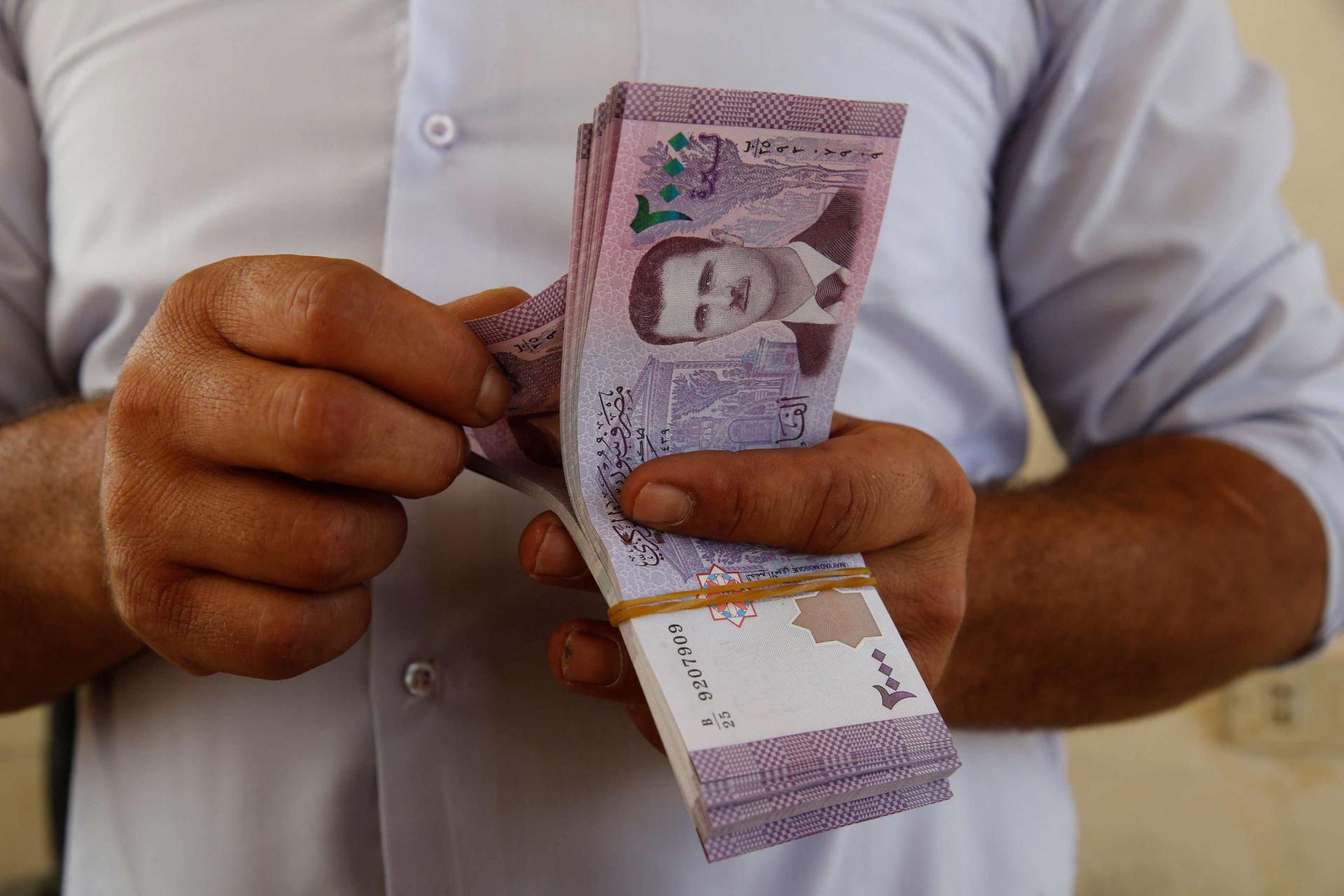
Syria is preparing to phase out its Assad-era banknotes in what officials are calling a critical step toward economic recovery, as the country’s new leadership attempts to restore confidence in a currency devastated by years of conflict and international isolation.
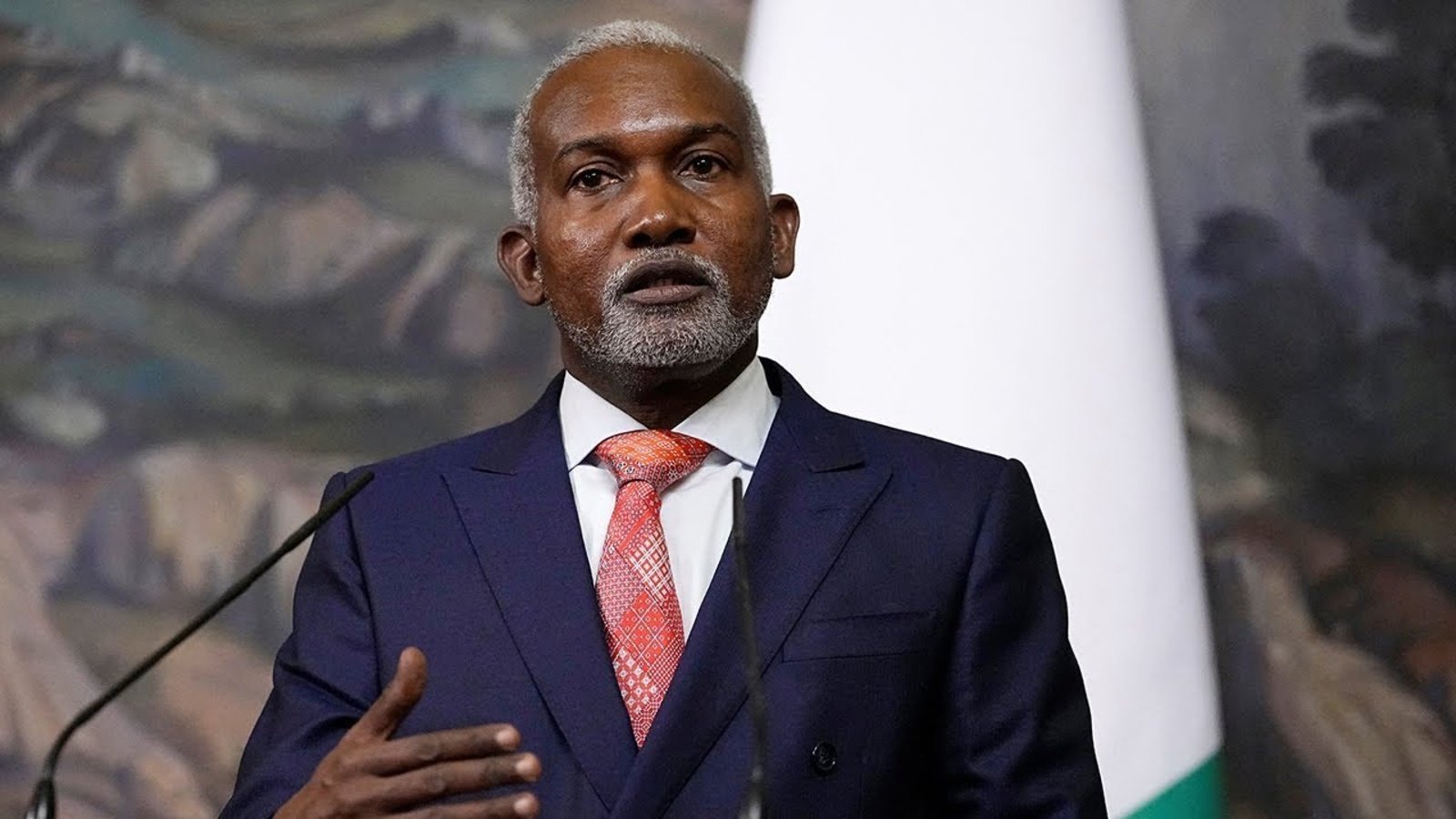
Central Bank Governor Abdelkader Husrieh announced on Thursday that the currency swap will commence on January 1, 2026, marking one of the most significant financial reforms since President Ahmed al-Sharaa’s government took power following the dramatic collapse of the Assad dynasty just over a year ago.
The reform plan, first reported in August, will remove two zeros from Syria’s severely devalued pound—a technical adjustment known as redenomination that aims to simplify transactions and signal a fresh economic start. The move comes as Syria grapples with the aftermath of more than thirteen years of brutal civil war, crippling international sanctions, and financial isolation that left its currency in tatters.
“The central bank has been given authority to decide the deadline for the swap and its locations,” Husrieh told reporters, promising that detailed implementation guidelines would be issued soon. He emphasized that a comprehensive briefing would be held on December 27 to outline the mechanics of the transition, including exchange deadlines and designated swap locations across the country.
However, the ambitious currency reform has sparked concerns among financial experts who fear unintended consequences. Some bankers have warned that the new currency could trigger inflationary pressures, potentially further eroding the purchasing power of ordinary Syrians already struggling with high prices and economic hardship. Husrieh moved to reassure the public, insisting the operation would proceed through “a smooth and orderly swap” designed to minimize disruption.
The currency overhaul represents just one element of the new government’s broader reconstruction agenda. Since taking control, President al-Sharaa’s administration has been working to rebuild state institutions from the ground up and revive an economy shattered by conflict. The challenge is formidable: Syria faces extensive infrastructure damage, a depleted workforce, and the lingering effects of international sanctions that choked off foreign investment and trade for years.
The political backdrop to these reforms remains extraordinary. Bashar al-Assad fled to Russia in December 2024 after rebel forces executed a lightning eight-day offensive that culminated in the seizure of Damascus, bringing a stunning end to six decades of Assad family rule. What began as peaceful protests in 2011 had spiraled into a devastating civil war that killed hundreds of thousands, displaced millions, and destroyed much of the country’s economy.
Earlier this month, Syrians marked the first anniversary of Assad’s overthrow with jubilant celebrations in major cities—a striking contrast to the fear and repression that characterized the previous regime. Now, as the country looks toward 2026, the success or failure of the currency reform may serve as an early test of whether Syria’s new leadership can deliver on promises of economic renewal and stability.
The coming weeks will be critical as officials finalize the technical details of the swap and prepare the public for what amounts to a complete overhaul of the monetary system they’ve used for decades.
WHAT YOU SHOULD KNOW
Syria will replace its Assad-era currency starting January 1, 2026, removing two zeros from banknotes in an ambitious attempt to restore confidence in the devastated pound. While Central Bank officials promise a smooth transition, the reform carries significant risks—economists warn it could trigger inflation and further harm Syrians already suffering from high prices.
This currency overhaul represents the new government’s first major economic test since the Assad regime’s collapse just over a year ago, and its success or failure will signal whether Syria’s leadership can deliver genuine economic recovery after thirteen years of civil war and financial ruin.