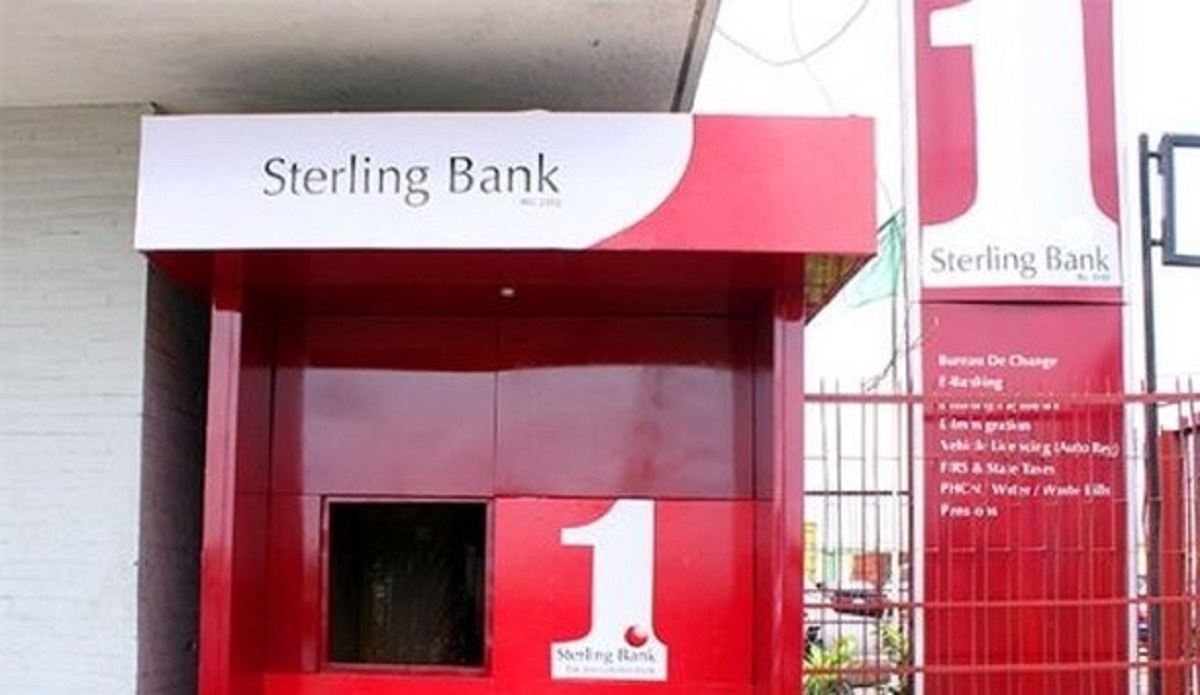
In a bold move to address Nigeria’s mounting plastic pollution crisis, The Alternative Bank (Sterling Bank) launched its inaugural “Walk4ZeroPlastic” campaign today at one of Lagos’s busiest commercial hubs, Tejuosho Market in Yaba.
The community-driven initiative represents a significant escalation in corporate environmental activism, as financial institutions increasingly step beyond traditional banking roles to tackle Nigeria’s most pressing ecological challenges. With Lagos generating an estimated 13,000 tons of waste daily—much of it plastic—the campaign arrives at a critical juncture for West Africa’s commercial capital.
Targeting the Source
The choice of Tejuosho Market as the campaign’s inaugural venue underscores the scale of the challenge facing Nigerian urban centers. Markets across Lagos have become epicenters of plastic waste accumulation, where single-use packaging, shopping bags, and food containers create mounting disposal problems in areas with limited waste management infrastructure.
“Plastic waste remains a significant environmental challenge in Lagos, with markets like Tejuosho bearing the brunt of improper disposal practices,” the bank acknowledged in its campaign statement. The market, which serves thousands of traders and customers daily, exemplifies how commercial activity intersects with environmental degradation in Nigeria’s rapidly urbanizing landscape.
Corporate Environmental Leadership
Hassan Yusuf, managing director and CEO of The Alternative Bank, positioned the initiative within broader corporate responsibility frameworks, emphasizing collaborative approaches over isolated corporate gestures.
“As a financial institution with deep roots in community and sustainability, we see this campaign as part of our responsibility to contribute meaningfully to collective efforts addressing the plastic crisis,” Yusuf stated ahead of the launch. “The reality is, no single organization or sector can solve this problem alone. But by showing up—side by side with local partners, market leaders, and everyday citizens—we can help drive the kind of progress that sticks.”
Ambitious Goals and Strategic Partnerships
The campaign sets an ambitious target of collecting over 10 tons of plastic waste while simultaneously conducting market sensitization activities and promoting sustainability-linked banking products. This multi-pronged approach reflects growing recognition that environmental initiatives must integrate economic incentives with awareness-building to achieve lasting impact.
The bank has assembled a formidable coalition of partners, including waste management specialists Wastebanc, government agencies LASEPA and LAWMA, the Lagos State Ministry of Environment and Water Resources, and civil society organizations like the Africa Clean-up Initiative and Foodbank. This public-private partnership model represents an increasingly common approach to addressing Nigeria’s complex environmental challenges.
Global Framework Alignment
The initiative explicitly aligns with international environmental frameworks, including the Global Plastics Treaty and UN Sustainable Development Goals 12 and 13, which focus on responsible consumption and climate action, respectively. This positioning reflects Nigeria’s growing integration into global environmental governance systems and corporate sustainability reporting standards.
Bunmi Ajiboye, chairperson of the Sterling Sustainability Working Group, emphasized the grassroots nature of effective environmental action: “We believe that real change happens not in boardrooms, but on the ground, with consistent action and shared purpose.”
Broader Implications
The Walk4ZeroPlastic campaign emerges as Nigerian financial institutions face increasing pressure to demonstrate Environmental, Social, and Governance (ESG) credentials. With international investors and regulators demanding greater corporate accountability on climate issues, banks are expanding their sustainability portfolios beyond traditional green financing to include direct environmental intervention.
The initiative also reflects growing awareness that Nigeria’s plastic pollution crisis requires immediate action. Recent studies have highlighted the country’s contribution to global plastic waste, with inadequate recycling infrastructure and limited waste management capacity in major urban centers creating environmental and public health challenges.
As Lagos continues its rapid urbanization trajectory, initiatives like Walk4ZeroPlastic may serve as templates for scaling corporate environmental engagement across Nigeria’s commercial sector. The campaign’s success in mobilizing diverse stakeholders—from market traders to government agencies—could influence how future environmental challenges are addressed in sub-Saharan Africa’s largest economy.
The inaugural campaign represents the first step in what The Alternative Bank describes as an ongoing commitment to community-based environmental action, signaling that corporate Nigeria is increasingly viewing environmental stewardship as integral to long-term business sustainability and social responsibility.
WHAT YOU SHOULD KNOW
This initiative signals a critical shift where Nigerian financial institutions are moving beyond traditional banking to directly tackle the country’s severe plastic pollution crisis, demonstrating that effective environmental action requires collaborative grassroots engagement rather than top-down corporate gestures.
With Lagos generating 13,000 tons of daily waste, this community-driven model could become the template for scaling environmental solutions across Nigeria’s rapidly urbanizing economy.