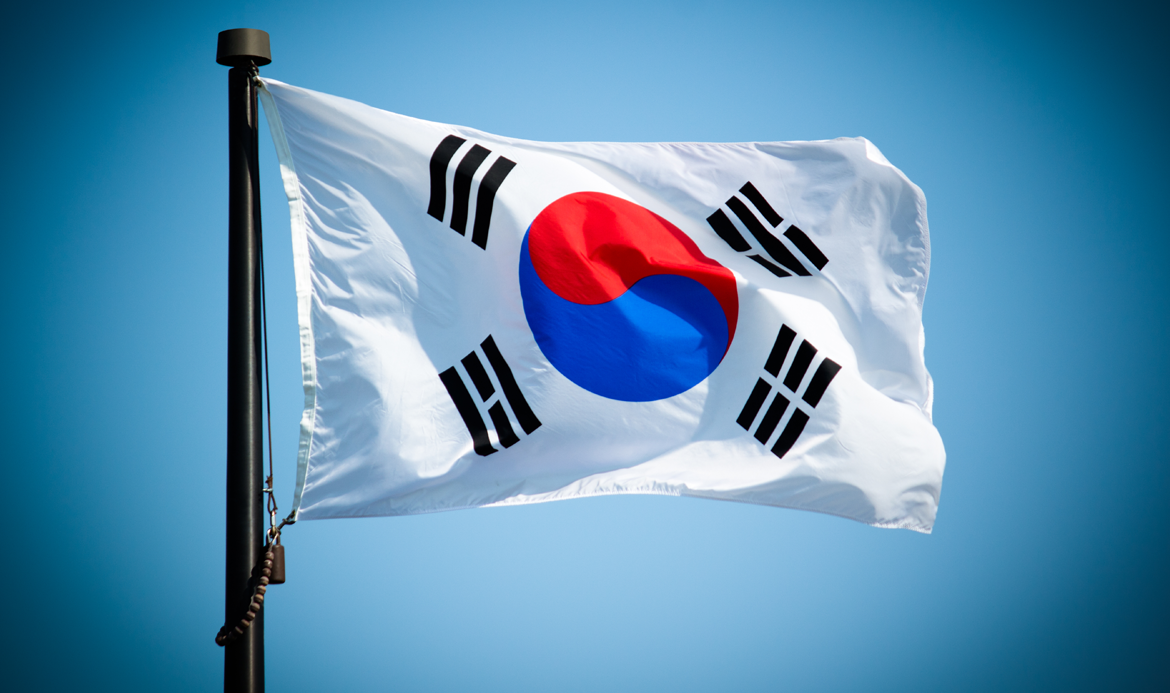
As the clock ticks toward a critical July 9 deadline, South Korea’s newly appointed Trade Minister, Yeo Han-koo, has signaled a push for more time in high-stakes negotiations with the United States over looming tariff hikes.
Yeo, who was named trade envoy just last month, is set to travel to Washington for talks aimed at averting potentially devastating trade penalties that could hit key South Korean exports, including automobiles and steel.
In a statement Friday before his departure, Yeo said he plans to request an extension of the current freeze on U.S. tariffs during meetings with U.S. Trade Representative Jamieson Greer and other senior officials scheduled for Saturday.
The U.S. administration under President Donald Trump has indicated it will begin notifying countries of the specific tariff rates they’ll face on imports into the American market, with the threat of sharp increases hanging just days away.
“The essence of the deal is more important than the deadline,” Yeo emphasized, calling for accelerated talks that would result in a “win-win” outcome for both countries. South Korea, Asia’s fourth-largest economy, is particularly eager to avoid a 25% “reciprocal” tariff currently on pause and negotiate exemptions from existing levies, including a blanket 10% tariff and stiff duties on autos and steel.
Despite an early round of negotiations in April, progress has reportedly been stifled by recent domestic instability. Political uncertainty following South Korea’s martial law crisis and the June 3 election of President Lee Jae Myung has further complicated matters. President Lee himself acknowledged on Thursday that the discussions with the U.S. have “not been easy,” citing vague demands from both sides.
Washington, for its part, is pushing for broader access to South Korea’s agricultural and automotive markets, fairer treatment in the digital sector, and greater transparency in trade practices.
Additionally, the U.S. has urged increased South Korean investment in American industries and higher purchases of U.S. energy, including a controversial $44 billion liquefied natural gas (LNG) project in Alaska.
Trade Minister Yeo confirmed South Korea’s interest in the LNG project but stressed that key feasibility concerns remain unresolved, with more information from the U.S. expected later this year.
His cautious stance was echoed by lawmakers during a parliamentary hearing Friday, with opposition lawmaker Lee Chul-gyu warning, “Once we’re in the wrong place, it is hard to get out.”
Meanwhile, ripple effects from Trump’s global tariff agenda are already being felt. The U.S. has reportedly settled on a 20% tariff for Vietnamese imports, down from the previously threatened 46%—a move that could indirectly impact South Korean firms like Samsung, which have significant manufacturing operations in Vietnam.
As Yeo heads into this weekend’s talks, the outcome could have far-reaching consequences not just for South Korea-U.S. trade relations, but also for regional economic stability and the future of global supply chains anchored in East Asia.
WHAT YOU SHOULD KNOW
South Korea’s Trade Minister is heading to Washington to seek an extension on looming U.S. tariffs, just days before a critical deadline. With talks stalled and political tensions high, the key concern is avoiding sharp tariff hikes that could hit Korean exports hard, while navigating U.S. demands for greater market access and investment.