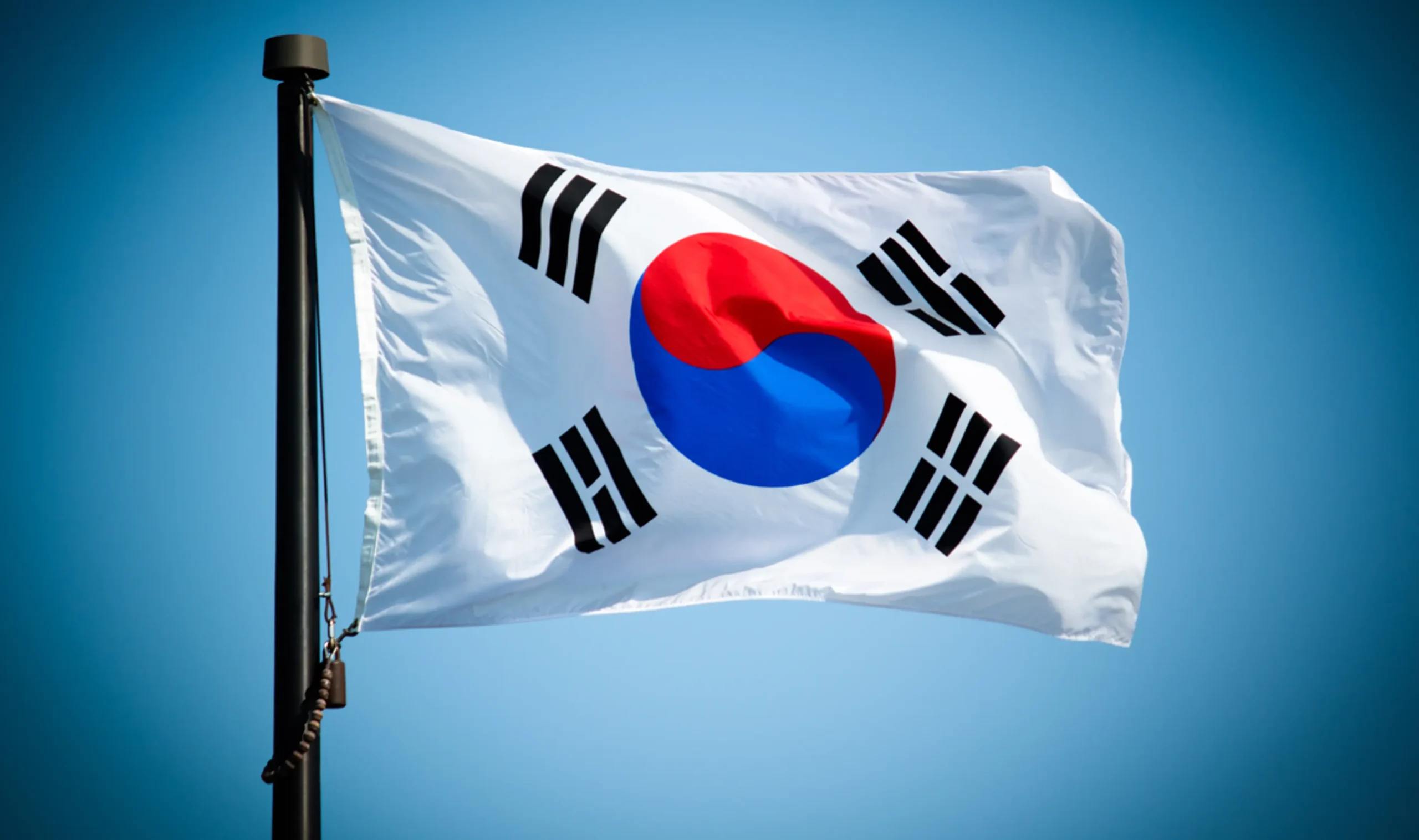
South Korean Finance Minister Koo Yun-cheol departed for Washington on Tuesday in what officials describe as a last-ditch effort to negotiate a trade agreement that could spare the country from punishing U.S. tariffs.
The stakes are high: goods imported to the U.S. from South Korea are set to face 25% tariffs starting August 1, part of President Donald Trump’s broader trade offensive targeting multiple countries. The tariffs would hit South Korea’s key industrial exports, potentially disrupting billions of dollars in bilateral trade.
Speaking to reporters at Seoul’s airport before his departure, Koo struck an urgent but optimistic tone. “Treasury Secretary Bessent holds the important position of overseeing trade negotiations in the Trump administration,” he said. “We will make the best effort to derive an agreement based on our national interest that would allow South Korea and the United States to coexist.”
The finance minister’s mission centers on presenting what he described as a comprehensive “program” that South Korea has prepared, with particular emphasis on potential cooperation in shipbuilding—a sector where Seoul sees significant opportunity for mutual benefit.
Hanwha Group’s Strategic Investment Play
Central to South Korea’s negotiating strategy is a major investment proposal from Hanwha Group, the industrial conglomerate whose shipbuilding subsidiary Hanwha Ocean has emerged as a key player in Seoul’s diplomatic calculus. According to sources familiar with the matter, the company has submitted plans for substantial expansion of its recently acquired Philly Shipyard in Pennsylvania.
The timing is no coincidence. Hanwha Group Vice Chairman Kim Dong-kwan has also traveled to Washington to support the trade negotiations, underscoring the private sector’s direct involvement in what has become an all-hands-on-deck diplomatic effort.
The shipbuilding focus reflects South Korea’s broader strategy of positioning itself as a strategic partner in key industries where the United States seeks to strengthen domestic capabilities. South Korea has proposed a multibillion-dollar shipbuilding investment package in the United States as part of ongoing negotiations, government sources confirmed.
Coordinated Diplomatic Offensive
Koo’s mission represents just one component of South Korea’s coordinated response to the tariff threat. He will join Industry Minister Kim Jung-kwan and Trade Minister Yeo Han-koo, who have been conducting intensive talks with U.S. officials, including Commerce Secretary Howard Lutnick.
The urgency of Seoul’s efforts was perhaps best captured by Lutnick himself, who told Fox News Monday that South Korean officials had even traveled to Scotland to meet with him. “Think of how much they want to get a deal done,” the Commerce Secretary noted.
Foreign Minister Cho Hyun is also scheduled to visit Washington this week for discussions with Secretary of State Marco Rubio, following Tuesday’s diplomatic consultations in Japan. The multi-track approach demonstrates Seoul’s recognition that resolving the trade dispute requires engagement across multiple U.S. government departments.
Rescheduled Talks Heighten Pressure
Originally planned for last week, Koo’s crucial meeting with Treasury Secretary Bessent was postponed due to scheduling conflicts, compressing an already tight timeline. The delay has only intensified pressure on negotiators as the August 1 deadline approaches.
South Korea is sending top officials to Washington for urgent trade talks before US tariffs take effect on August 1, with the outcome potentially reshaping economic relations between the two allies.
Regional Context and Stakes
South Korea’s predicament is compounded by regional dynamics, particularly Japan’s recent success in negotiating with Washington. Seoul is keen to lower the U.S.’s “reciprocal” 25% tariff to 15% or below, as Tokyo agreed with Washington to cut the rate to that level last week.
The negotiations represent the first major trade test for South Korea’s government since Trump’s return to office, with implications extending far beyond immediate economic concerns. Success or failure could set the tone for broader U.S.-South Korea relations and influence Washington’s approach to other trading partners facing similar deadline pressures.
As Koo and his team prepare for Thursday’s pivotal meeting with Bessent, the clock continues ticking toward Friday’s deadline—a moment that will determine whether diplomatic engagement can overcome the Trump administration’s aggressive trade stance or whether South Korea will join the growing list of countries facing new U.S. tariff barriers.
The coming days will test not only the negotiating skills of both sides but also the durability of the U.S.-South Korea alliance in an era of increasingly transactional trade relationships.
WHAT YOU SHOULD KNOW
South Korea is in a desperate race against time to avoid 25% U.S. tariffs set to take effect on August 1, 2025. Finance Minister Koo Yun-cheol is leading a last-minute diplomatic mission to Washington, offering major shipbuilding investments—including Hanwha Group’s expansion of Philadelphia operations—as leverage in trade negotiations with Treasury Secretary Scott Bessent.