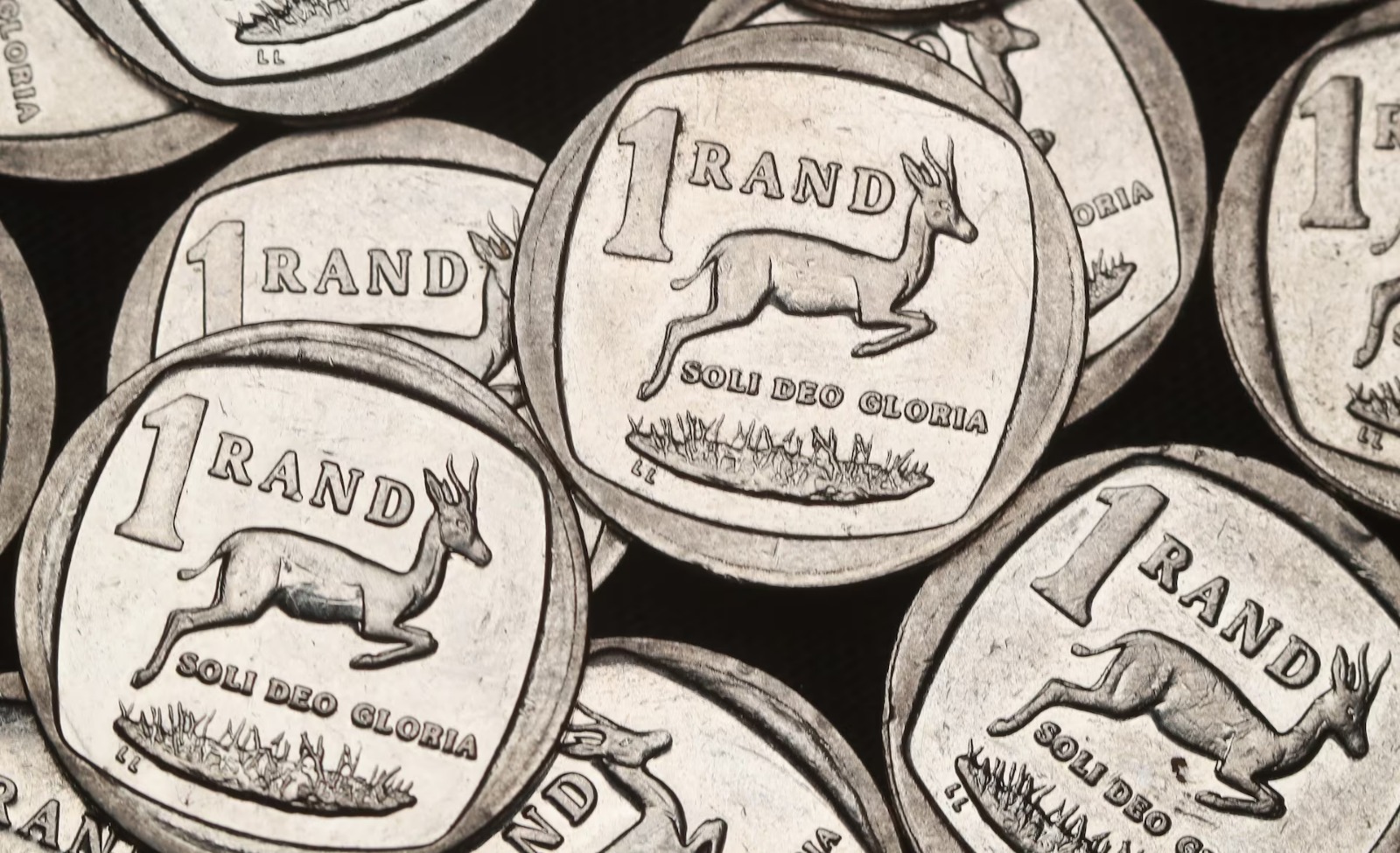
The South African rand held steady in early Friday trading as investors awaited key U.S. inflation data that could influence the Federal Reserve’s next policy decision.
By 07:17 GMT, the rand was trading at 16.1325 against the dollar, barely budging from its previous close of 16.15—a deceptive calm that masks what has been a bruising week for the currency.
The greenback, meanwhile, climbed to a near one-month high against a basket of major currencies, as traders positioned themselves ahead of the closely watched U.S. inflation print due later in the session.
The rand’s muted performance comes as little surprise to currency analysts who have watched the unit steadily surrender ground throughout the week. “The ZAR has had a tough week, steadily losing ground. It comes amid a trade-weighted USD that has steadily gained ground amid escalating geopolitical risks,” said ETM Analytics in a research note published Friday morning—a blunt assessment that captures the mood in currency markets well.
At the heart of the rand’s struggles lies a cocktail of external pressures that have kept emerging market currencies on the defensive. Like many of its peers, the rand remains acutely sensitive to shifts in U.S. policy, global risk appetite, and commodity price movements—and on all three fronts, the week has delivered little comfort.
Tensions in the Middle East have added fresh fuel to investor anxiety after U.S. President Donald Trump issued a stark warning to Iran, cautioning that it must reach a deal over its nuclear program or “bad things” will happen. Trump appeared to set a 10-day deadline before potential U.S. action—a threat that reverberated across financial markets and sent oil prices higher overnight.
Brent crude touched $72.00 per barrel in overnight trading, a development ETM Analytics flagged as significant for the inflation outlook. “The U.S.’s posture towards Iran has some investors spooked that it may impact oil production,” the firm noted. “The implication is that it could keep inflationary pressures elevated and affect interest rates, which, in turn, would negatively impact stock markets.”
For South Africa, the ripple effects are both immediate and layered. Higher oil prices translate into elevated import costs for the energy-dependent economy, while any signal that the Fed may delay rate cuts—or keep borrowing costs elevated for longer—tends to strengthen the dollar and draw capital away from emerging markets like South Africa.
The day’s most consequential moment for global markets is expected to arrive later on Friday, when the United States releases its latest inflation data. Investors are hoping the figures will offer clearer guidance on the Federal Reserve’s next policy move, with uncertainty around the rate path having been a persistent drag on risk assets in recent weeks.
A hotter-than-expected reading could cement expectations of a prolonged pause in the Fed’s rate-cutting cycle, delivering another blow to the rand and other emerging market currencies. A softer reading, by contrast, might breathe some relief into markets that have been starved of positive catalysts this week.
Despite the currency headwinds, South Africa’s domestic financial markets displayed a degree of resilience in early trade. The Johannesburg Stock Exchange’s benchmark Top-40 index edged 0.5% higher, suggesting local equities were finding some footing even as the broader global picture remained uncertain.
South Africa’s benchmark 2035 government bond also firmed, with the yield slipping 5 basis points to 7.985%—a modest but encouraging sign that bond investors remain relatively confident in the country’s fiscal trajectory, at least for now.
South Africa enters this period of global turbulence carrying its own domestic vulnerabilities, including persistent electricity constraints, sluggish economic growth, and ongoing fiscal pressures that have kept rating agencies watchful. While the rand’s stability on Friday may offer a brief reprieve, seasoned market observers will caution against reading too much into a single day of flat trading.
With the U.S. inflation data still to come and geopolitical flashpoints showing no sign of cooling, the rand’s direction in the sessions ahead will depend heavily on forces well beyond Pretoria’s control. For now, South Africa—like much of the emerging market world—is watching Washington closely and waiting.
WHAT YOU SHOULD KNOW
The South African rand remains under pressure, caught in the crossfire of a strengthening U.S. dollar, escalating Middle East tensions, and uncertainty around U.S. interest rates. While domestic markets showed modest resilience, the currency’s fate this week—and in the near term—is largely being written in Washington, not Pretoria.
The single most important thing to understand is this: until there is clarity on U.S. inflation and the Federal Reserve’s rate path, the rand and other emerging market currencies will remain vulnerable, with global risk sentiment calling the shots.