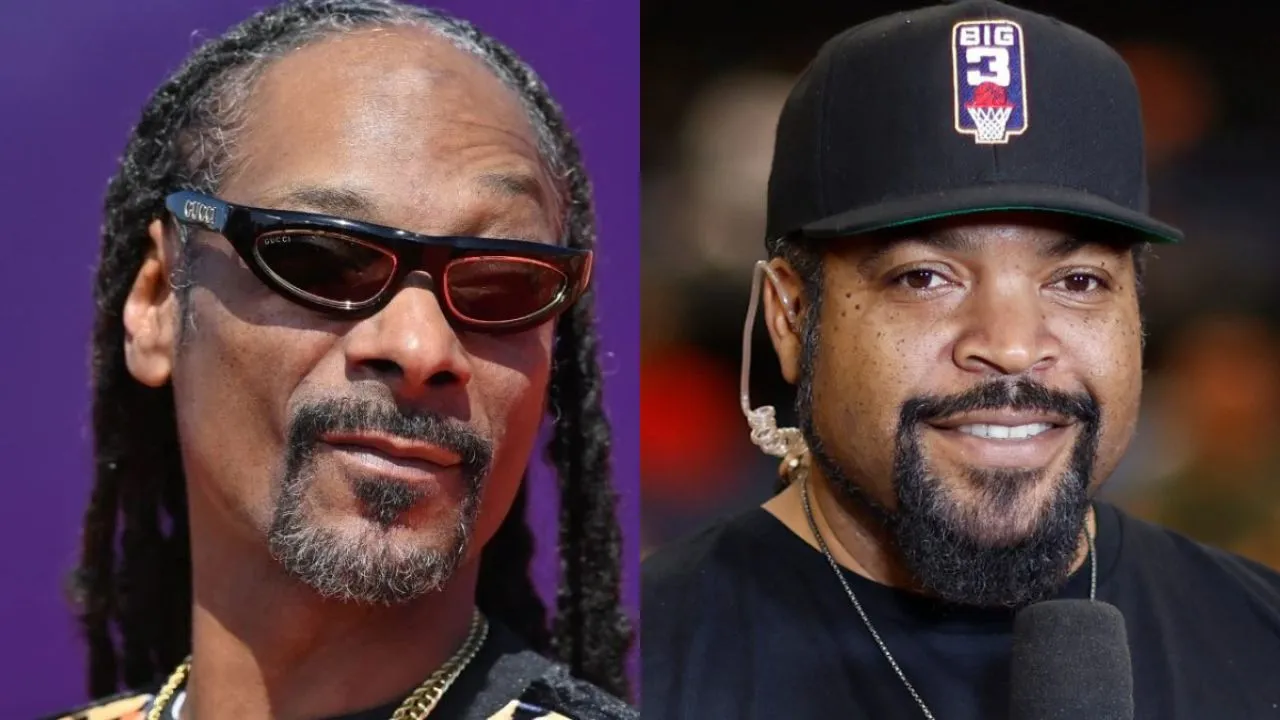
Two of hip-hop’s most recognizable figures find themselves at the center of an increasingly contentious legal dispute, as Snoop Dogg and Ice Cube face allegations of fraud and breach of contract in a $1.3 million lawsuit filed by Westside Merchandise—claims the rap veterans vehemently deny.
The lawsuit, initially filed in November of last year, has escalated into a bitter procedural battle over whether the high-profile defendants should be compelled to sit for depositions. The case also names fellow West Coast rap legends E-40 and Too Short, all members of the supergroup Mount Westmore, whose debut album dropped in 2022.
At the heart of the current legal skirmish is a fundamental disagreement over depositions. In August, attorneys for Snoop Dogg and Ice Cube filed motions requesting judicial relief from scheduled October depositions, characterizing the demands as “harassing, oppressive, and burdensome” for clients who maintain demanding professional schedules with “firm commitments.”
The rappers’ legal team argued their clients have nothing “substantive” to contribute to the proceedings and proposed that Westside Merchandise instead depose their associate, Tony Draper. According to court filings, the company refused this alternative, insisting on deposing the rap stars themselves—a move the defendants’ attorneys characterize as a “clear tactic” designed to “force” a settlement through inconvenience rather than merit.
Should the court ultimately require their appearance, Snoop and Ice Cube requested accommodations: virtual testimony limited to two hours. Snoop cited film production commitments, noting unavailability until October 21, while Ice Cube pointed to obligations with his Big3 basketball league in Florida and an upcoming tour.
Westside Merchandise wasn’t backing down. In September court filings, the company painted a starkly different picture, asserting it had been “extremely cooperative” in working with the musicians’ legal representatives to schedule depositions. The merchandising firm escalated matters by demanding the court sanction both rappers, seeking $11,000 in fees for what it characterizes as deliberate delay tactics. A judge has yet to rule on either the deposition request or the sanctions motion.
John Fowler, representing Westside Merchandise, didn’t mince words: “Defendants in this case are trying to hide from having their depositions taken because they are scared of answering difficult questions relating to their swindle.”
The substance of Westside’s lawsuit centers on what the company describes as a failed 2022 merchandising agreement for Mount Westmore. According to the complaint, Westside entered into an exclusive vendor arrangement to produce and sell merchandise for the supergroup, which features the collaborative talents of Snoop Dogg, Ice Cube, E-40, and Too Short—artists who have maintained professional relationships spanning decades.
The merchandising company claims it provided substantial advances and royalties totaling $1.375 million based on assurances that Mount Westmore would embark on an ambitious 60-date tour across America and Europe. Additionally, Westside alleges the contract included promotional commitments: Snoop and Ice Cube were to produce a promotional video and make appearances at retail locations selected by the company.
None of these promised activities materialized, according to Westside’s legal team. The company’s attorneys noted pointedly that “the only appearance Defendants made was [at] a VIP meet and greet event at which Snoop Dogg appeared to sell his own merchandise”—a particularly galling detail if accurate, suggesting the rapper may have been competing directly with the company he had allegedly contracted with.
The rappers and their co-defendants have mounted a vigorous defense, challenging the evidentiary foundation of Westside’s claims. Notably, Too Short and E-40 assert they were never parties to the initial agreement—a potentially significant factual dispute that could unravel portions of the case.
Frank Seddigh, representing the rap artists, struck a defiant tone: “[Defendants] have always conducted their business in good faith and with integrity. Despite multiple attempts to resolve this matter amicably, Westside Merchandising has refused to cooperate or engage in good-faith discussions.”
This characterization directly contradicts Westside’s portrayal of itself as the cooperative party and the defendants as evasive—a fundamental disagreement that may ultimately require judicial intervention to resolve.
Beyond the $1.3 million in dispute, this case highlights the complex business arrangements that underpin modern hip-hop enterprises. Mount Westmore represents not just a musical collaboration but a brand—and merchandising deals for supergroups of this caliber can involve substantial financial commitments and expectations on both sides.
The outcome could have implications for how courts handle deposition requests for high-profile defendants with legitimate scheduling demands and whether accommodations like virtual testimony and time limits become standard practice.
As the legal battle continues, both sides remain entrenched. With no ruling yet issued on the deposition question or sanctions request, this dispute appears far from resolution, suggesting that Snoop Dogg, Ice Cube, and their fellow defendants may find themselves in court battles for months to come, regardless of whether those battles take place in person, virtually, or through their representatives.
The entertainment and legal communities will be watching closely to see how a judge balances the legitimate discovery needs of a plaintiff seeking to prove fraud against the practical constraints faced by defendants whose celebrity status and business commitments create genuine scheduling challenges.
WHAT YOU SHOULD KNOW
Hip-hop legends Snoop Dogg and Ice Cube are fighting a $1.3 million fraud lawsuit from Westside Merchandise, which claims it paid the rappers upfront for a Mount Westmore merchandise deal—including a promised 60-date tour and promotional appearances—that never materialized.
The rappers deny wrongdoing and are currently battling to avoid in-person depositions, calling them harassment tactics designed to force a settlement. Meanwhile, Westside accuses them of hiding from tough questions and wants the court to sanction them for delaying the case.
At its core, this is a dispute over whether the artists failed to deliver on contractual promises after taking over a million dollars or whether the merchandising company is using legal pressure to extract an unwarranted payout.