Bae Kyung-mi was just five years old when the United States dropped “Little Boy,” the atomic bomb that obliterated Hiroshima on August 6, 1945.
Her family, like many ethnic Koreans working in the city, kept their trauma hidden for decades, fearful of the stigma linked to performing menial labor for Japan—Korea’s colonial ruler at the time—and the widespread myths that radiation sickness could be contagious.
Bae recalls the planes overhead as she played at home in Hiroshima that morning. Moments later, the world around her collapsed.
“I told my mom in Japanese, ‘Mom! There are airplanes!’” the now 85-year-old told AFP.
Shortly after, she lost consciousness. Her home caved in on her, but the rubble ended up shielding her from the fatal burns that claimed the lives of many, including her aunt and uncle. When the family eventually returned to Korea, they remained silent about what had happened.
“I never told my husband that I was in Hiroshima and a victim of the bombing,” Bae said. “Back then, people often said you had married the wrong person if he or she was an atomic bombing survivor.”
Even her sons were unaware of her past until she registered with a special support center for atomic bomb survivors in 1996 in Hapcheon, South Korea. She feared that her children might suffer from the effects of radiation-related illnesses that had plagued her own health, leading to the removal of her ovaries and a breast due to high cancer risks. Though she understood the cause of her declining health, she kept the truth from her family.
“We all hushed it up,” she said.
An estimated 740,000 people were killed or injured in the bombings of Hiroshima and Nagasaki. Korean victims accounted for more than 10 percent of these casualties—the result of Japan’s mass importation of Korean laborers during its colonial occupation of the Korean peninsula.
Those who remained in Japan faced layered discrimination—for being hibakusha (atomic bomb survivors) and for being Korean. Many were left with difficult decisions amid Korea’s post-war division, forced to choose between allegiance to pro-Pyongyang or pro-Seoul communities.
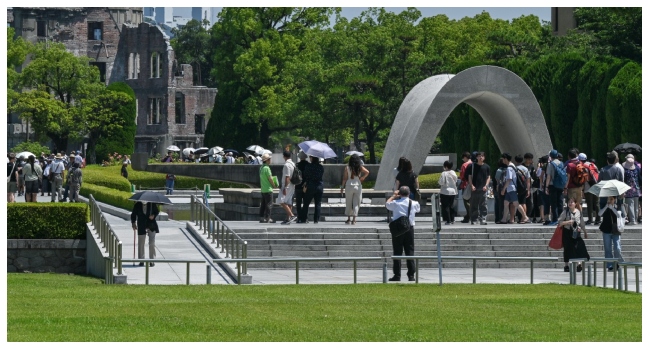
Kwon Joon-oh, now 76, said both his parents survived the Hiroshima bombing. Like many of their peers, they had no choice but to accept dangerous, low-status jobs that Japanese citizens shunned. Korean victims also faced decades of neglect—a proper memorial for them in Hiroshima wasn’t established until the late 1990s.
Kim Hwa-ja, who was four at the time of the bombing, remembers her family’s desperate escape. As they fled the burning city in a horse-drawn cart, she hid beneath a blanket while her mother screamed at her not to look at the devastation.
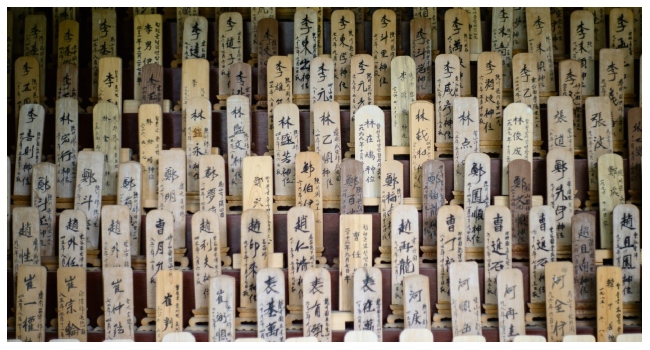
Some Korean groups estimate as many as 50,000 Koreans may have been in Hiroshima on that day, including tens of thousands working as forced laborers in military factories. But accurate records are scarce.
“The city office was devastated so completely that it wasn’t possible to track down clear records,” a Hiroshima official said.
Japan’s colonial policies further complicated things by prohibiting the use of Korean names, making identification even harder.
Following the war, many survivors returned to Korea—newly liberated but still burdened by illness and societal rejection. The stigma persisted for decades, fueled by false beliefs about the contagious nature of radiation exposure.
“In those days, there were unfounded rumours that radiation exposure could be contagious,” explained Jeong Soo-won, director of the Hapcheon Atomic Bomb Victim Center.
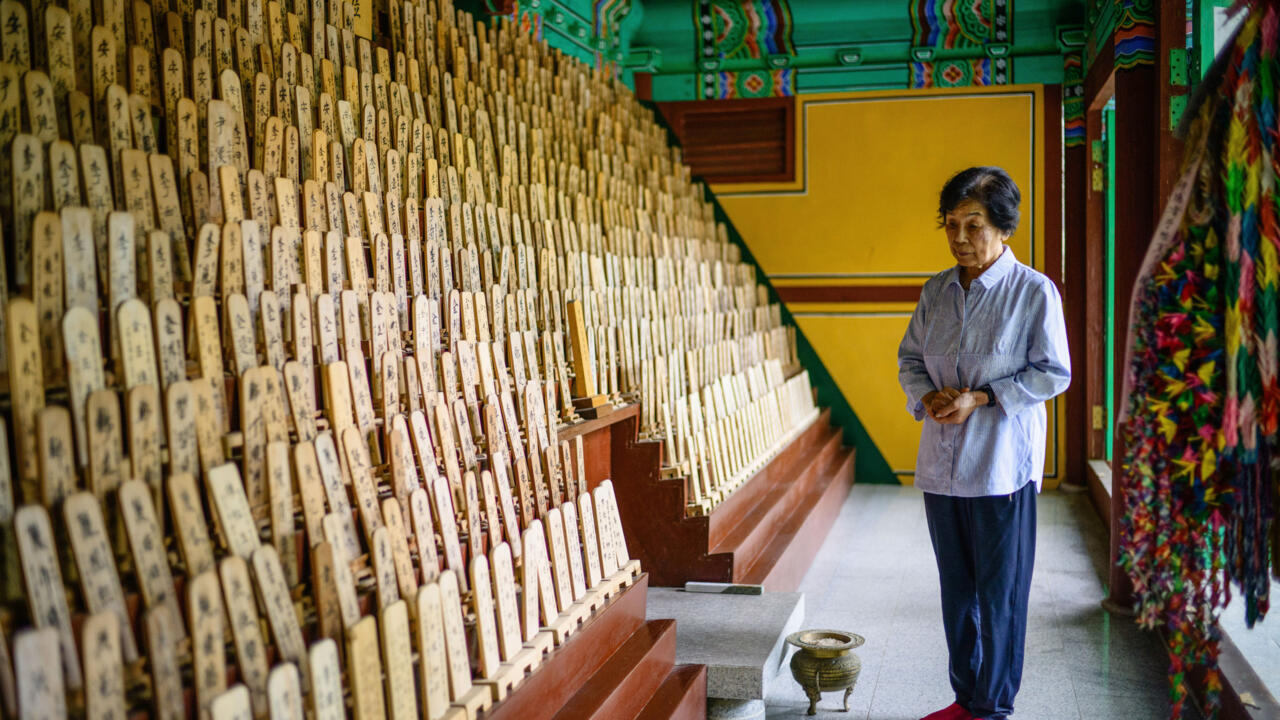
Today, about 1,600 South Korean survivors are believed to be alive, with 82 residing at the Hapcheon facility. A law passed in 2016 provides survivors a monthly stipend of approximately \$72, but it offers no support to descendants who suffer from congenital conditions likely caused by radiation.
“There are many second- and third-generation descendants affected by the bombings and suffering from congenital illnesses,” Jeong noted. He emphasized the importance of future policies that address these overlooked groups.
A Japanese hibakusha group was awarded the Nobel Peace Prize last year, recognized for their advocacy against nuclear warfare. Still, 80 years on, many survivors feel that the global community has failed to grasp the lessons of Hiroshima and Nagasaki.
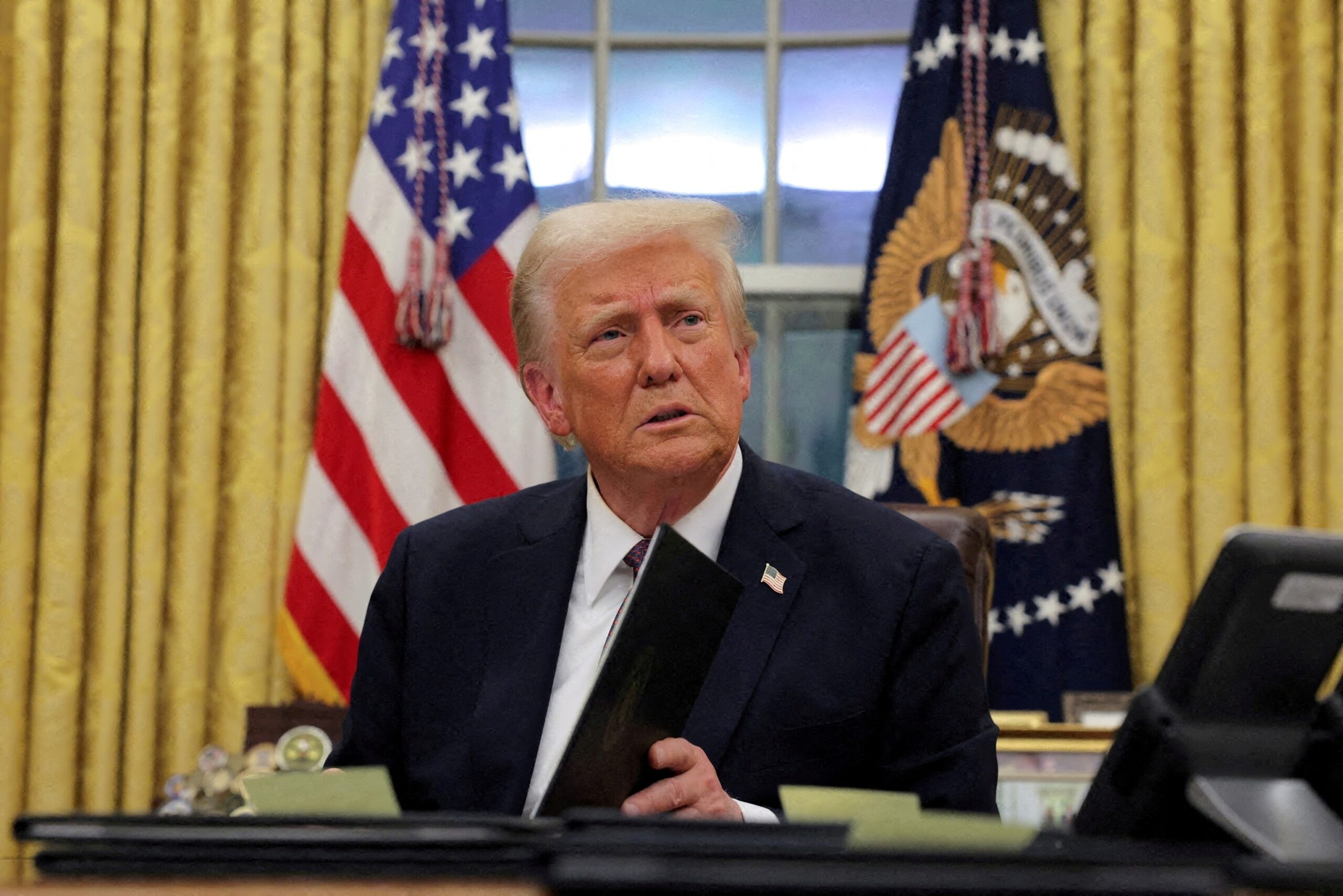
Recently, US President Donald Trump compared his strikes on Iran’s nuclear facilities to the bombings of Hiroshima and Nagasaki—a comparison that survivor Kim Gin-ho found deeply unsettling.
“Would he understand the tragedy of what the Hiroshima bombing has caused? Would he understand that of Nagasaki?” she asked.
In South Korea, the Hapcheon center plans to hold a memorial service on August 6. Survivors hope this year’s commemoration draws more attention than in previous years.
From politicians, Kim added, “there has been only talk… but no interest.”
What You Should Know
The Hiroshima bombing remains a deeply personal and painful memory for many Korean survivors who were caught in the blast due to Japan’s colonial rule.
Often overlooked in historical accounts, these survivors endured not only the physical horrors of nuclear war but also lifelong stigma, discrimination, and government neglect—both in Japan and Korea. With only around 1,600 South Korean survivors alive today, and many of their descendants grappling with health issues, calls are growing for broader recognition and policy support.
Their stories underscore the hidden toll of war and the urgent need for genuine remembrance and justice beyond symbolic gestures.