Biography and Early Life
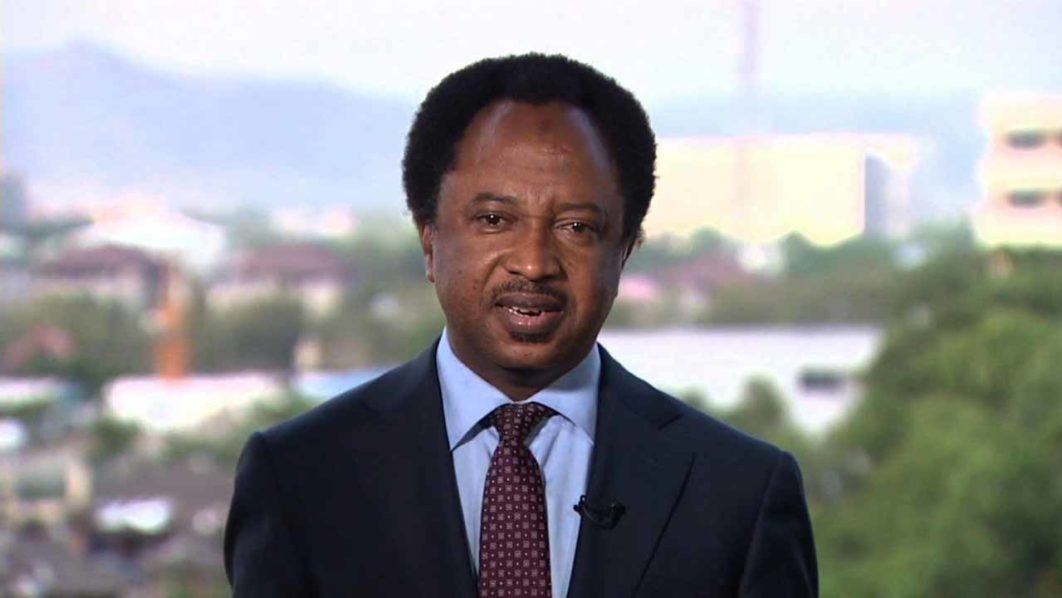
Shehu Sani was born on October 29, 1967, in Tudun Wada, Kaduna, Nigeria. Growing up in Kaduna, one of Northern Nigeria’s most important cities and a historical center of political and religious activity, Sani witnessed firsthand the complexities of Northern Nigerian society, its diversity, tensions, and the impact of military rule on ordinary citizens.
His upbringing during Nigeria’s turbulent military era, particularly under successive military dictatorships, profoundly shaped his worldview and commitment to human rights, democracy, and social justice. From his youth, Sani displayed intellectual curiosity, moral courage, and an unwillingness to accept injustice, qualities that would define his life’s work.
Educational Background
Shehu Sani’s educational journey reflects both formal schooling and extensive self-education:
Formal Education: He attended both Quranic and Western schools in Kaduna, receiving an education that exposed him to Islamic scholarship and contemporary knowledge.
Secondary Education: Completed his secondary education in Kaduna during a period of political upheaval in Nigeria.
Self-Education: Beyond formal credentials, Sani is largely self-educated, having read extensively in history, politics, literature, philosophy, and human rights. His intellectual development came through personal study, engagement with progressive movements, and learning from the struggles he participated in.
Prison Education: Ironically, some of his most intensive education occurred during his multiple imprisonments under military regimes, where he read voraciously and deepened his understanding of political philosophy, human rights, and social movements.
This combination of formal education and autodidactic learning produced a public intellectual comfortable engaging with complex ideas and articulating them accessibly.
Early Activism and Human Rights Work
Civil Rights Congress (CRC)
Sani’s activism began in earnest when he became involved with the Civil Rights Congress, one of Nigeria’s most prominent human rights organizations:
Founding Member: He was among the founders and leaders of the Civil Rights Congress in the late 1980s and early 1990s.
Human Rights Advocacy: Through CRC, Sani and fellow activists documented human rights abuses, defended political prisoners, and advocated for democratic governance.
Voice for the Voiceless: The organization became known for fearlessly speaking against military dictatorship when many Nigerians remained silent out of fear.
Campaign for Democracy (CD)
Sani was also deeply involved with the Campaign for Democracy, a coalition of pro-democracy groups fighting for the restoration of democratic rule:
Pro-Democracy Activism: Organized protests, issued statements, and mobilized civil society against military rule.
Grassroots Mobilization: Worked to educate and mobilize ordinary Nigerians about their rights and the importance of democratic governance.
Coordination Role: Helped coordinate activities among various pro-democracy groups, labor unions, and civil society organizations.
Persecution Under Military Dictatorship
Sani’s activism came at enormous personal cost during Nigeria’s military era:
Detentions and Imprisonments
Multiple Arrests: Arrested and detained numerous times by security agencies for his activism and criticism of military regimes.
Torture: Subjected to torture and inhumane treatment during detentions, experiences he has documented in his writings.
Death Row: Most dramatically, Sani was sentenced to death under the brutal regime of General Sani Abacha (1993-1998), one of Nigeria’s most repressive dictators. He spent time on death row alongside other political prisoners and activists.
Survival: He survived this ordeal when Abacha’s sudden death in 1998 led to a transition that eventually released political prisoners and restored democracy.
Psychological Impact: His experiences in detention, torture, and death row profoundly affected him, providing firsthand knowledge of state brutality that informs his continued advocacy.
Continued Activism Despite Persecution
Despite repeated arrests and the very real threat of death, Sani refused to be silenced:
Undeterred Advocacy: Each release from detention was followed by renewed activism rather than retreat into safety.
Documentation: He documented abuses and made sure the international community knew about the military regime’s atrocities.
Support for Fellow Activists: Even while facing his own persecution, he worked to support other detained activists and their families.
Writing and Intellectual Work
Shehu Sani is not just an activist but also a prolific writer and intellectual:
Books and Publications
Sani has authored numerous books, including:
“Shehu Sani’s Legislative Diary”: Chronicles his experiences in the Nigerian Senate with wit, insight, and critical analysis.
“The Travails of Democracy”: Examines Nigeria’s democratic struggles and challenges.
“The Darkness and Desert”: Poetry collection reflecting on Nigerian society and politics.
“Selected Poems”: Various poetry works addressing social and political themes.
“The Pickpockets and Their Prophets”: Critical examination of corruption and religious exploitation.
Memoirs and Essays: Various memoirs documenting his activism, imprisonment, and observations on Nigerian politics.
Writing Style and Themes
Satirical Edge: Sani’s writing often employs satire and wit to critique political corruption, religious hypocrisy, and social injustice.
Accessible Philosophy: He makes complex political and philosophical ideas accessible to general readers.
Northern Nigerian Focus: Much of his work examines Northern Nigerian society, its challenges, and potentials.
Poetry as Activism: Uses poetry as a form of political expression and social commentary.
Social Media Commentary: He has become famous for his witty, insightful social media posts that dissect Nigerian politics with humor and wisdom.
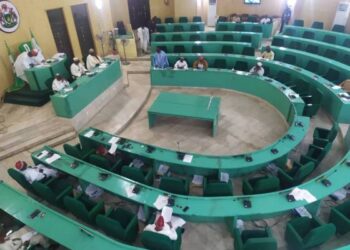
Senator Representing Kaduna Central (2015-2019)
Sani’s transition from activism to electoral politics came when he was elected to the Senate in 2015:
Election and Senate Tenure
APC Platform: Elected on the All Progressives Congress (APC) platform, riding the wave of opposition to the then-ruling PDP.
Committee Memberships: Served on various Senate committees, including Foreign Affairs, Local and Foreign Debts, and others.
Legislative Activities: Sponsored and supported various bills and motions during his tenure.
Senate Work and Positions
Independent Voice: Despite party affiliation, Sani quickly established himself as an independent voice, willing to criticize his own party when necessary.
Social Media Senator: Became famous for his incisive, witty tweets about Senate proceedings, Nigerian politics, and social issues are earning him a massive social media following.
Policy Positions: Took positions on various national issues, including security, corruption, economic management, and social welfare.
Northern Representation: Advocated for Northern interests while maintaining progressive positions on women’s rights, education, and religious tolerance.
Major Senate Controversies and Positions
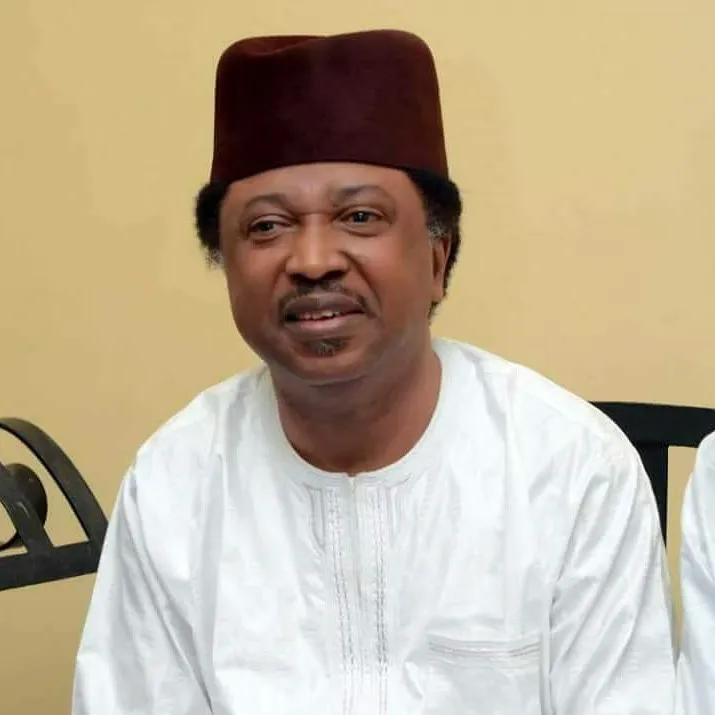
Extortion Allegation (2019): Sani faced serious allegations of extorting money from a businessman, supposedly to facilitate business with the government. He was arrested by the Economic and Financial Crimes Commission (EFCC) and charged with extortion. Sani maintained his innocence, claiming the allegation was politically motivated. The case went to trial, and he was eventually acquitted by the court, which found insufficient evidence. However, the controversy damaged his political standing.
Party Criticism: His frequent criticism of APC policies and leadership created tensions within the party.
Social Media Controversies: His frank, often satirical social media commentary occasionally created friction with colleagues and political leaders.
Security Concerns: Spoke boldly about security challenges in Kaduna State and the North generally, sometimes at odds with official government positions.
2019 Election and Loss
Sani lost his re-election bid in 2019 in a controversial election:
Primary Battle: He first lost the APC primary to Governor Nasir El-Rufai’s preferred candidate, a clear indication of tensions between the activist senator and the governor.
Party Defection: After losing the APC primary, he moved to the PRP (People’s Redemption Party) to contest the general election.
General Election Defeat: Lost the general election to the APC candidate, with allegations of electoral malpractices and the machinery of Governor El-Rufai working against him.
Court Challenges: He challenged the election results in court but was unsuccessful.
Post-Senate Activities and Continuing Advocacy
After leaving the Senate in 2019, Sani has remained actively engaged in public discourse:
Social Media Influence
Twitter/X Presence: His social media following has grown even larger, with his witty, insightful commentary on Nigerian politics earning him status as one of the platform’s most influential Nigerian voices.
Daily Commentary: Provides daily observations on political developments, often with a satirical edge that makes complex issues accessible.
Viral Moments: His posts regularly go viral, with phrases and observations entering popular political discourse.
Public Intellectual Role: Uses his platform to educate, entertain, and provoke thought about Nigerian issues.
Political Commentary
Media Appearances: Regular guest on television and radio programs, providing analysis of political developments.
Columns: Writes columns for newspapers and online platforms.
Public Speaking: Frequently invited to speak at forums, universities, and conferences.
Book Launches: Continues publishing books and articles examining Nigerian society and politics.
Human Rights Advocacy
Despite his stint in partisan politics, Sani has returned to his activist roots:
Civil Society Engagement: Continues working with civil society organizations on human rights and democracy issues.
Religious Extremism Critique: Remains a vocal critic of religious extremism, particularly in Northern Nigeria.
Security Advocacy: Speaks out about security challenges, particularly banditry, kidnapping, and insurgency affecting Northern Nigeria.
Minority Rights: Advocates for minority rights, religious tolerance, and peaceful coexistence.
Political Philosophy and Ideology
Sani’s political thought combines several elements:
Progressive Politics: Advocates for progressive policies on education, healthcare, women’s rights, and social welfare.
Democratic Values: Deep commitment to democratic governance, rule of law, and human rights rooted in his struggles against military dictatorship.
Religious Moderation: As a Muslim from Northern Nigeria, he advocates for moderate Islam and challenges extremist interpretations.
Anti-Corruption: Consistent stance against corruption, though his own extortion case (from which he was acquitted) complicated this position.
Social Justice: Emphasis on social justice, equity, and addressing poverty and inequality.
Northern Development: Focus on addressing developmental challenges in Northern Nigeria, including education, security, and economic opportunities.
Pragmatic Radicalism: Combines activist radicalism with a pragmatic understanding of political realities.
Relationship with Northern Nigeria
Sani occupies a unique space in Northern Nigerian politics:
Progressive Voice: Represents progressive politics in a region often characterized by conservatism.
Cultural Bridge: Bridges traditional Northern culture with progressive politics, challenging stereotypes.
Internal Critic: Serves as an internal critic of Northern Nigerian leadership while deeply committed to the region’s development.
Religious Tolerance: Advocates for religious coexistence in a region often marked by religious tensions.
Education Advocate: Consistently emphasizes education, particularly for girls, in Northern Nigeria.
Personal Life
Shehu Sani is married with children and maintains a relatively private family life despite his public prominence. He is a practicing Muslim whose faith informs his commitment to justice and human dignity, though he challenges religious extremism and intolerance.
His personal experiences, like imprisonment, torture, and death row, have shaped his character, giving him both moral authority and psychological scars that inform his worldview.
Accomplishments and Recognition
Survival: His survival of death row under a military dictatorship stands as a testament to resilience and courage.
Literary Contributions: His books and writings have contributed to Nigerian political and literary discourse.
Democratic Advocacy: Played a significant role in Nigeria’s democratic struggles during the military era.
Senate Service: Served as voice of conscience during his Senate tenure, even when politically costly.
Social Media Influence: Built one of Nigeria’s most influential social media presences, shaping political discourse.
International Recognition: Recognized internationally for human rights work and democratic advocacy.
Challenges and Criticisms
Extortion Case: Despite the acquittal, the allegation damaged his reputation and raised questions among some supporters.
Political Inconsistency: His movement between parties (from activism to APC to PRP and political commentary) has led some to question his political consistency.
Rhetorical Over Action: Some critics argue his witty commentary doesn’t translate to concrete political action or organization.
Electoral Defeats: His inability to win re-election raised questions about his constituency connection despite social media popularity.
Relationship with Power: Having moved from activist to senator and back, questions arise about his relationship with political power structures.
Current Status and Future Prospects
As of 2025, Sani remains a prominent voice in Nigerian public discourse:
Social Media Influencer: Continues to shape political conversations through his social media presence.
Public Intellectual: Serves as commentator and analyst on Nigerian affairs.
Potential Political Comeback: Speculation continues about whether he will seek elective office again.
Activist Identity: Has largely returned to his activist roots while maintaining political engagement.
Writing and Publishing: Continues producing books and articles examining Nigerian society.
Legacy and Impact
Shehu Sani’s legacy encompasses multiple dimensions:
Human Rights Icon: Part of the generation that fought against military dictatorship and helped restore democracy.
Voice of Conscience: Serves as a moral voice in Nigerian politics, willing to speak uncomfortable truths.
Literary Contribution: His writings, especially his satirical observations, have enriched Nigerian political discourse.
Bridge Builder: Represents the possibility of progressive politics emerging from Northern Nigeria’s conservative context.
Social Media Pioneer: Demonstrated how politicians and public intellectuals can use social media for meaningful engagement.
Survivor’s Testimony: His survival and continued activism testify to human resilience and commitment to justice.
Assessment and Perspectives
Admirers View Him As:
- Courageous survivor of death row who remained committed to justice
- Witty, insightful voice making politics accessible
- Progressive force in Northern Nigerian politics
- Principled politician willing to criticize his own party
- Important literary voice documenting Nigerian political struggles
Critics Argue:
- The extortion allegation, despite the acquittal, raises character questions
- His social media commentary sometimes lacks depth or practical alternatives
- Party-hopping suggests opportunism over principle
- Failed to maintain constituency connection despite national popularity
- Better as a commentator than a political operator
Balanced Perspective: Shehu Sani represents a particular type of Nigerian politician, the activist who entered electoral politics while maintaining his critical voice. His survival of death row during military rule gives him moral authority that few contemporary politicians possess. While his Senate tenure was controversial and his extortion case troubling (despite his acquittal), his continued commitment to speaking truth, his accessible analysis through social media, and his literary contributions make him an important voice in Nigerian public discourse. He embodies the possibilities and challenges of maintaining activist principles within political structures.
Significance in Contemporary Nigeria
Sani’s significance extends beyond his individual career:
Living Link to Democratic Struggles: He connects contemporary Nigeria to its democratic struggles, reminding younger generations of the sacrifices made for democracy.
Model of Engagement: Shows how public intellectuals can engage in politics while maintaining a critical perspective.
Northern Progressive Voice: Demonstrates that progressive politics can emerge from Nigeria’s most conservative regions.
Literary Politics: His integration of literature, satire, and politics offers an alternative mode of political engagement.
Social Media Impact: His effective use of social media shows how traditional activism can adapt to the digital age.
Senator Shehu Sani’s journey from death row to the Senate to social media influencer represents one of contemporary Nigeria’s most remarkable political stories. His survival of General Abacha’s death row, his transition into electoral politics, and his current role as witty social commentator and public intellectual illustrate the complex paths of Nigerian democratic struggle. Whether posting satirical tweets, writing books, or advocating for human rights, Sani continues to serve as a voice of conscience, though imperfect, sometimes controversial, but consistently challenging Nigerians to think critically about their society. His legacy will be measured not just by electoral victories or defeats but by his sustained commitment to democratic values, his literary contributions, and his unwavering willingness to speak truth to power, even at personal cost. In a political culture often characterized by sycophancy and opportunism, Shehu Sani stands as a reminder that courage, wit, and principle still have a place in Nigerian public life.