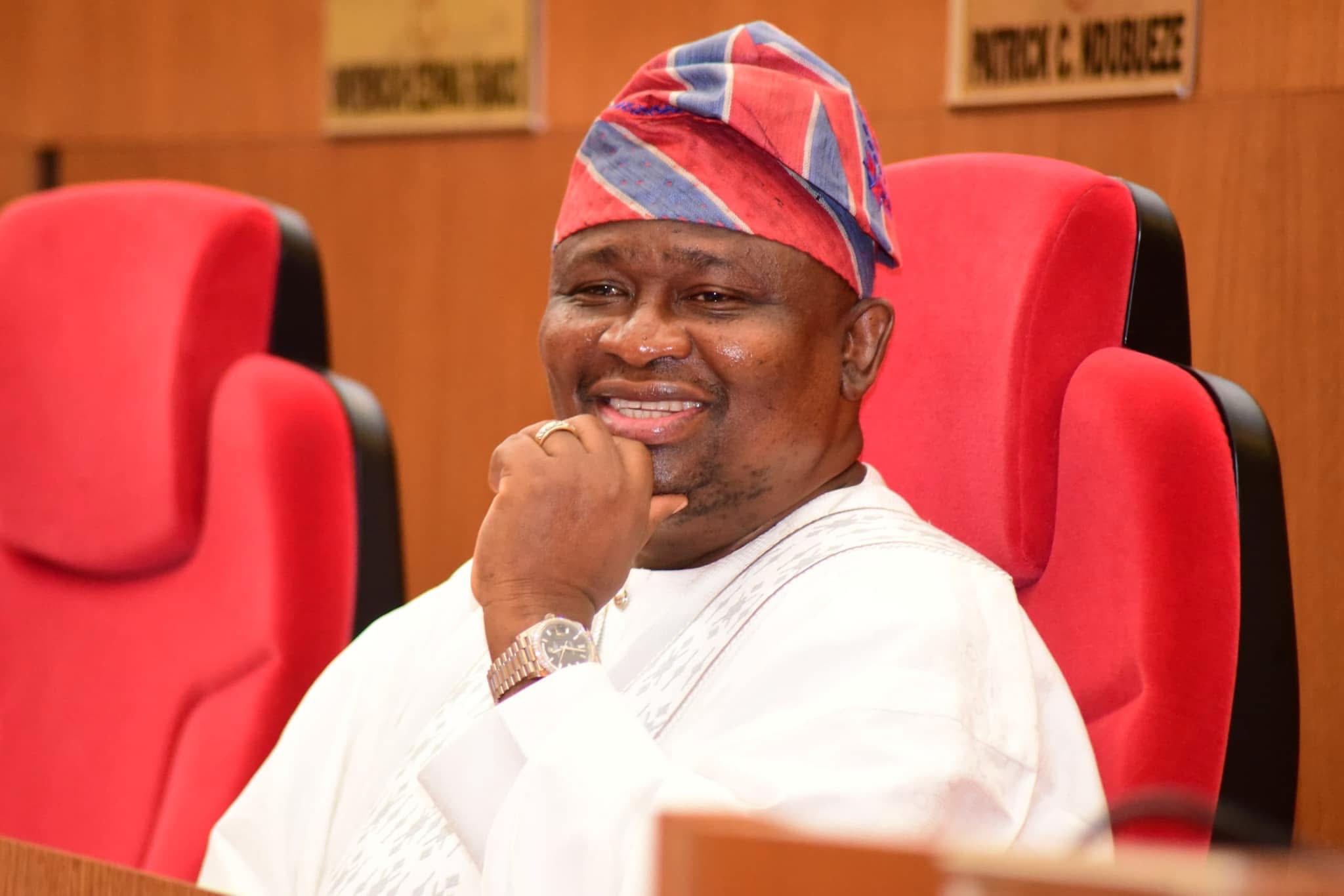
Nigeria is saving more than N10 trillion annually following the controversial removal of fuel subsidies, according to Senator Solomon Adeola, chairman of the Senate Appropriations Committee.
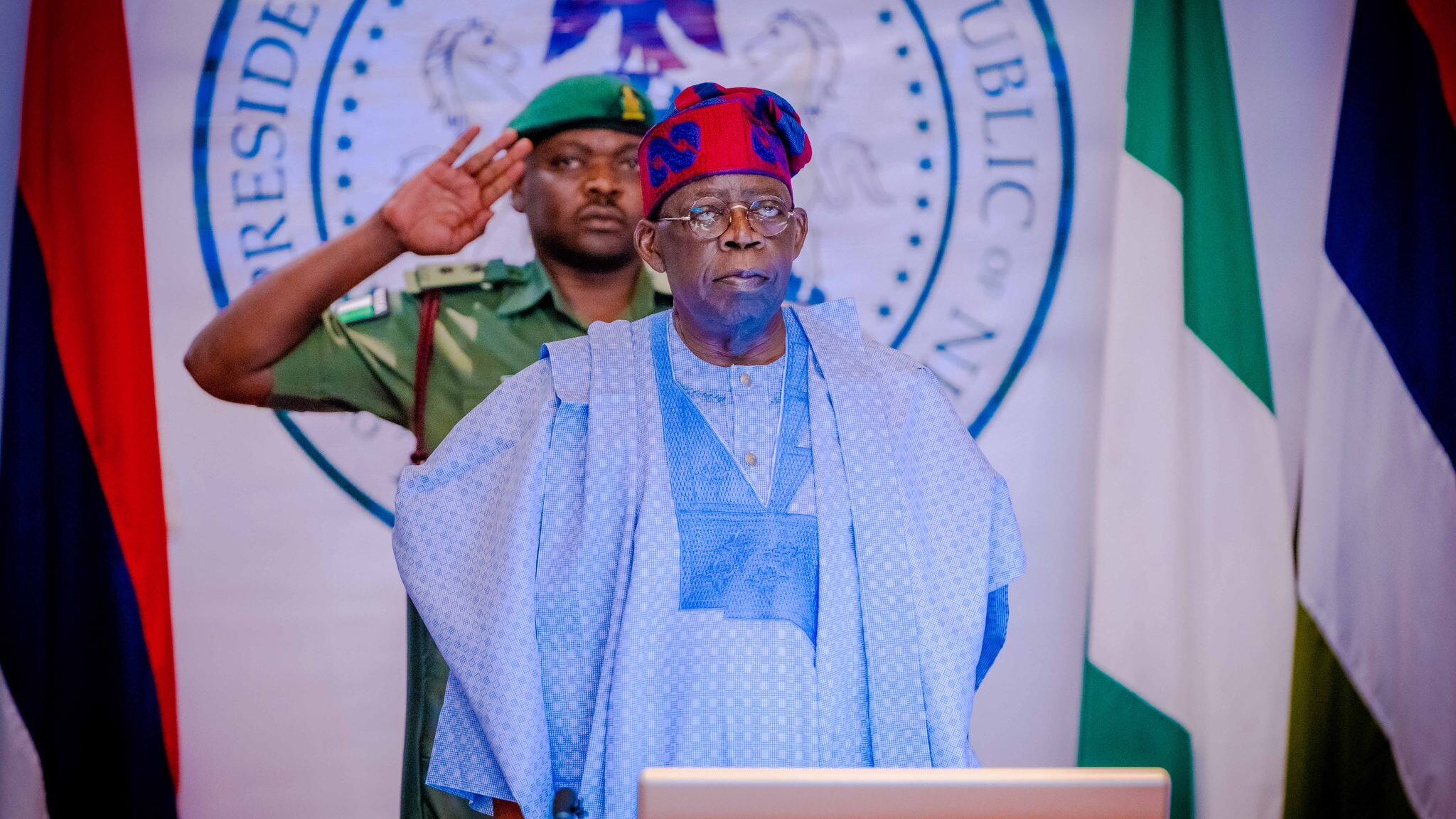
Speaking in Ogun State over the weekend, Senator Adeola defended President Bola Tinubu’s decision to scrap the decades-old subsidy regime, describing it as a necessary reform that has eliminated what he called “a cankerworm” that had long drained the nation’s finances.
“With that singular action, the president is saving the country over N10 trillion on an annual basis,” Adeola stated, drawing on his previous experience as chairman of the Senate Committee on Finance. He revealed that the government previously borrowed between N6 trillion and N7 trillion yearly just to finance the subsidy program.
The fuel subsidy removal, announced immediately after President Tinubu’s inauguration in May 2023, marked the end of government intervention in petrol pricing—a practice that had been in place for decades. The policy aimed to reduce budget deficits, eliminate widespread corruption and leakages in the subsidy system, and redirect scarce resources toward infrastructure development and social programs.
However, the reform has come at a steep cost to ordinary Nigerians. Fuel prices have surged dramatically since the subsidy’s removal, triggering a cascade of economic pressures, including soaring transportation costs and accelerating inflation. The policy has drawn sharp criticism from labor unions, civil society organizations, and segments of the population struggling with the rising cost of living.
Senator Adeola, who represents Ogun West Senatorial District, acknowledged the challenges but insisted the previous subsidy arrangement benefited only a privileged few at the expense of the broader population. “It benefited very few Nigerians at the detriment of the overall population of this nation,” he argued.
In defense of the administration’s economic strategy, Senator Adeola pointed to ongoing infrastructure projects that he says are being financed by the subsidy savings. He highlighted two major highway projects: the Lagos-Calabar Coastal Highway, which is expected to traverse up to 15 states, and the Sokoto-Badagry Super Highway, which he said would feature approximately 66 dams upon completion.
“The President is creating a new Nigeria,” Adeola declared, framing the infrastructure investments as transformative projects that would drive long-term economic growth and national development.
The senator portrayed President Tinubu as working tirelessly to build “a secure and prosperous Nigeria that citizens can be proud of,” insisting that extensive infrastructural renewal is underway nationwide.
Nearly two years after implementation, the subsidy removal remains one of the Tinubu administration’s most consequential and contentious decisions. While government officials tout fiscal sustainability and infrastructure gains, millions of Nigerians continue to grapple with economic hardship exacerbated by the policy.
The debate reflects a fundamental tension in economic policymaking: the trade-off between short-term pain and promised long-term gain. Whether the administration’s infrastructure investments will ultimately vindicate the subsidy removal in the eyes of the Nigerian public remains an open question as the country navigates this economic transition.
WHAT YOU SHOULD KNOW
Nigeria’s removal of fuel subsidies in May 2023 is saving the government over N10 trillion annually—money previously spent on a program that required N6-7 trillion in yearly borrowing. While this has freed up substantial resources for infrastructure projects like the Lagos-Calabar and Sokoto-Badagry highways, the policy has simultaneously triggered sharp increases in fuel prices, transportation costs, and inflation, placing severe economic pressure on ordinary Nigerians.