The Senate has passed for second reading a bill seeking to repeal and replace the 2004 Counterfeit and Fake Drugs and Unwholesome Processed Foods Act in a bid to tighten regulation of fake drugs, counterfeit medical products, and unwholesome processed foods.
The bill, which cleared the floor via voice vote on Wednesday, is sponsored by Senator Sadiq Suleiman, representing Kwara North on the platform of the All Progressives Congress (APC).
In leading the debate, Suleiman painted a grim picture of an industry he said had been hijacked by increasingly sophisticated criminal networks profiting from the sale of adulterated and fake products at the cost of Nigerian lives.
According to the sponsor, the existing 2004 law has become inadequate to confront the scale and complexity of modern counterfeiting operations.
The new bill is designed to close those gaps by establishing what he described as “a more comprehensive legal framework,” one that not only targets fake drugs but also extends its reach to adulterated cosmetics, contaminated packaged water, and the controversial practice of using toxic chemicals to artificially ripen fruits.
Suleiman was emphatic that the human cost of inaction had been staggering. He linked counterfeit medicines directly to infant mortality, treatment failures, and a rise in antimicrobial resistance, a growing global health concern that undermines the effectiveness of legitimate antibiotics and other treatments.
He also warned that public trust in Nigeria’s healthcare system was eroding as a result.
“Counterfeit medicines have become silent weapons of mass destruction,” Suleiman told colleagues, in a line likely to resonate as the bill moves through further legislative stages. “They destroy lives, weaken healthcare delivery, and undermine public confidence in genuine pharmaceutical products.”
A central plank of the bill is a direct assault on the informal channels through which counterfeit drugs typically reach consumers.
The legislation explicitly outlaws the hawking and sale of medicines in open markets, motor parks, roadside stalls, unlicensed premises, and, notably, given the rise of e-commerce, illegal online platforms.
This provision reflects a recognition that counterfeiters have moved beyond physical marketplaces into digital spaces that are harder to police under existing law.
Should the bill become law, offenders would face up to 15 years’ imprisonment, alongside substantial fines and a mandatory compensation requirement in cases where counterfeit products result in death or grievous bodily harm, a provision aimed at giving victims and their families a direct avenue for redress rather than relying solely on criminal sanctions.
The bill also significantly expands the toolkit available to courts and enforcement agencies. It empowers judges to order asset forfeiture and the seizure of premises used in counterfeiting operations while introducing accelerated trial mechanisms and formal recognition of electronic evidence, a nod to the increasingly digital paper trail left by modern counterfeit operations, from online sales records to electronic communications.
On the institutional side, the bill retains the National Agency for Food and Drug Administration and Control (NAFDAC) as the principal enforcement authority but proposes layering in national and state-level task forces intended to improve intelligence sharing and coordination between federal and state actors, an apparent response to long-standing complaints about fragmented enforcement across Nigeria’s 36 states.
The bill drew vocal support from several senators. Samson Ekong (APC-Akwa Ibom South) framed the debate in stark terms, arguing that victims of counterfeit medicines too often end up “enriching casket makers through preventable deaths,” and insisted the Senate needed to send a clear signal that such abuses would no longer be tolerated.
Adams Oshiomhole (APC-Edo North), a former Edo governor and ex-labor union leader, broadened the argument, noting that fake drugs have permeated both urban and rural communities and are contributing to a rise in kidney disease and other organ failures.
“We are all potential victims of fake drugs,” he said, urging colleagues to treat the bill as a matter concerning “every Nigerian family” rather than a narrow health-sector issue.
Not all interventions were unreservedly celebratory, however. Deputy Senate President Barau Jibrin, while endorsing the bill’s broad objectives, cautioned against potential regulatory overlap.
He urged lawmakers to clearly delineate the new legislation’s relationship with the existing NAFDAC Act, warning against duplicating mandates already assigned to the agency, a technical but important point that could shape how the bill is refined in committee.
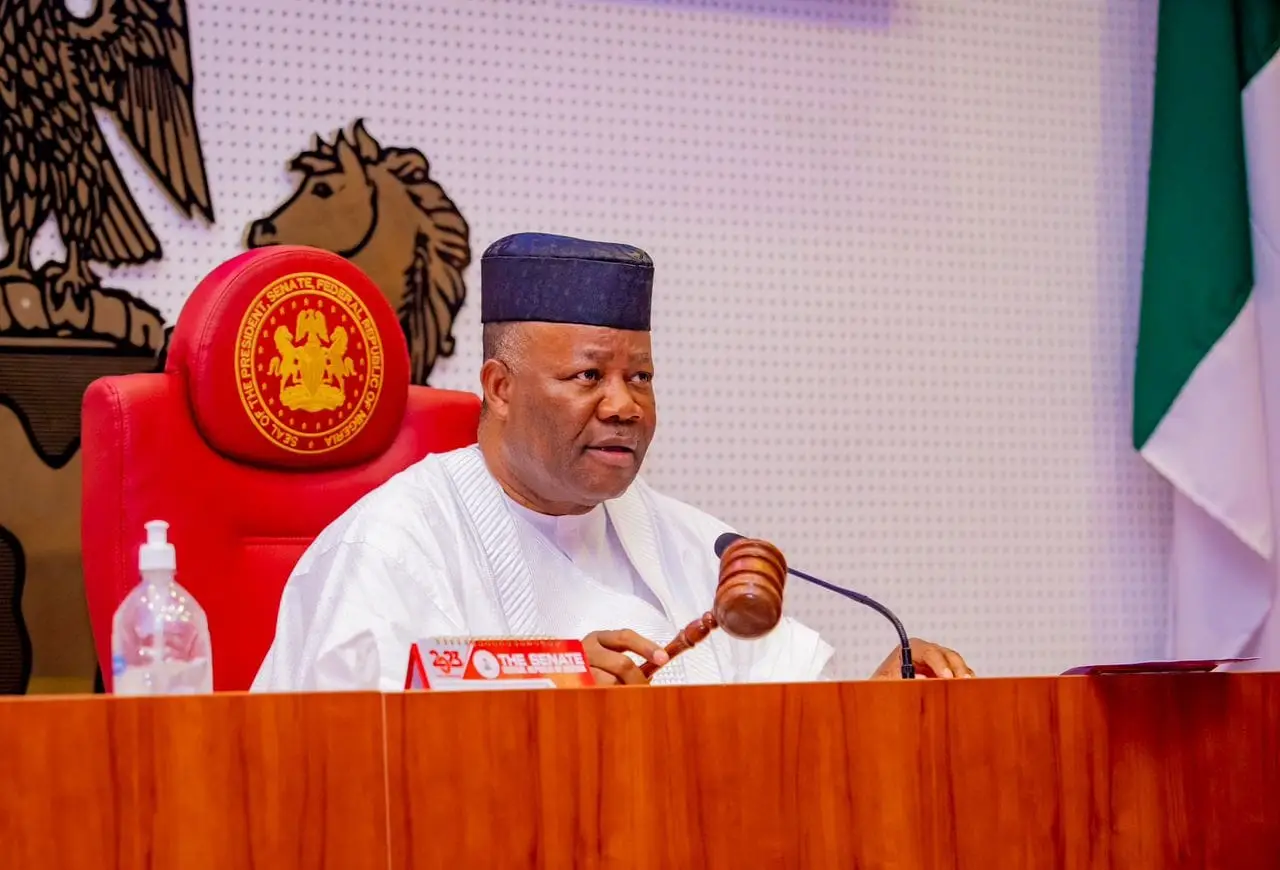
Following the debate, Senate President Godswill Akpabio referred the bill to the Senate Committee on Health (Secondary and Tertiary), which will now hold a public hearing, a stage that typically allows stakeholders such as NAFDAC, the Pharmacy Council of Nigeria, pharmaceutical manufacturers, and civil society groups to weigh in before the bill returns to the floor for further legislative action.
The committee stage will likely be closely watched, not least because of Jibrin’s caution about institutional overlap, as lawmakers work to ensure the new framework strengthens rather than complicates Nigeria’s fight against a counterfeit trade that senators across party lines described as a direct threat to public health and national well-being.
WHAT YOU SHOULD KNOW
At its heart, this bill tackles a silent killer: fake drugs and adulterated foods that harm Nigerians daily. It proposes tougher penalties, including up to 15 years in prison, asset forfeiture, and compensation for victims, while cracking down on informal and online drug sales. But with the bill only at second reading, key details like how it will work alongside NAFDAC remain to be settled at the committee stage.