Summary
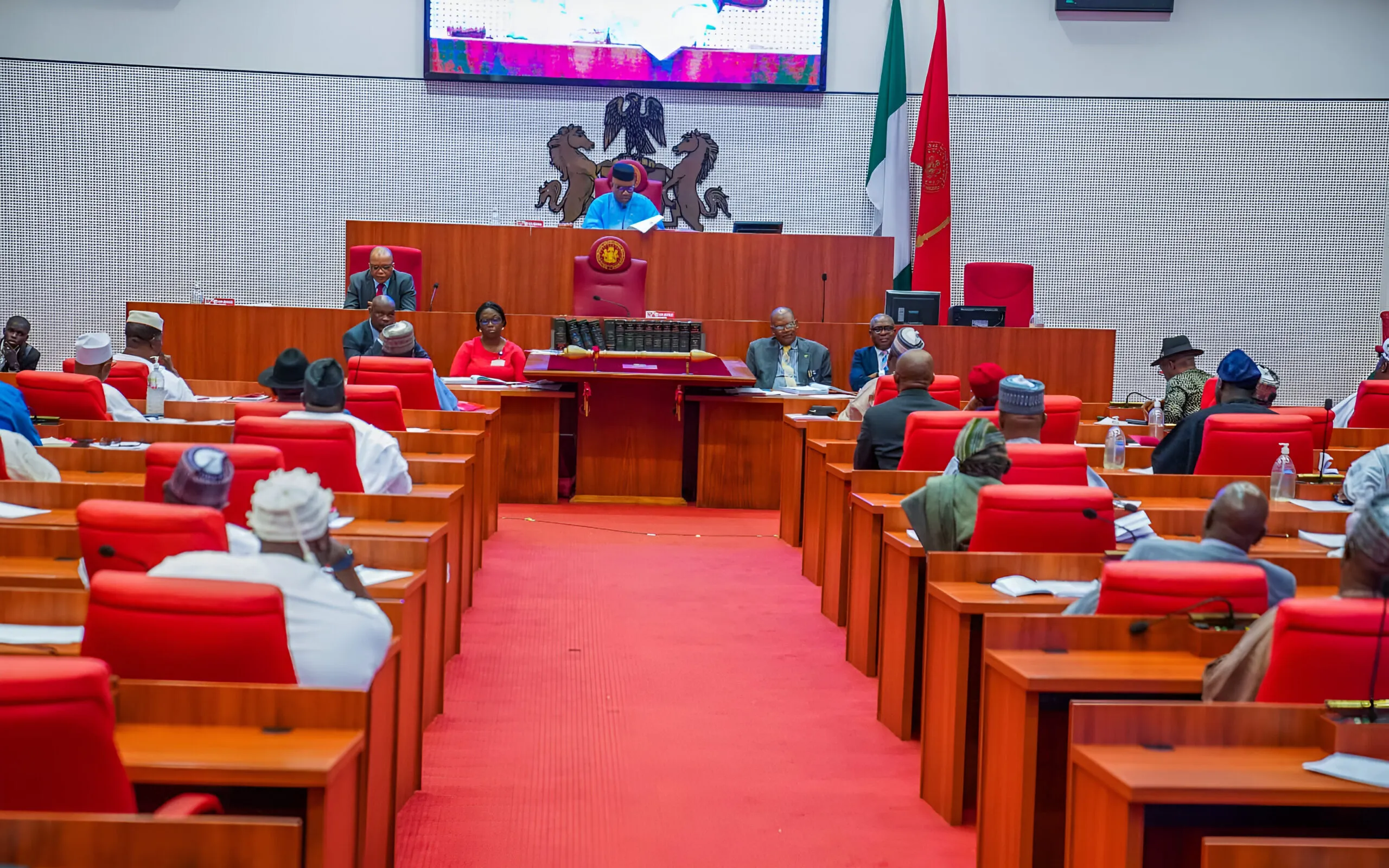
The Senate has taken a major step toward tightening Nigeria’s legal framework against terrorism, beginning formal deliberations on changes to the Terrorism (Prevention and Prohibition) Act.
Lawmakers advanced the amendment bill to first reading during Thursday’s plenary, marking the early phase of a process aimed at imposing tougher penalties on kidnapping and related crimes.
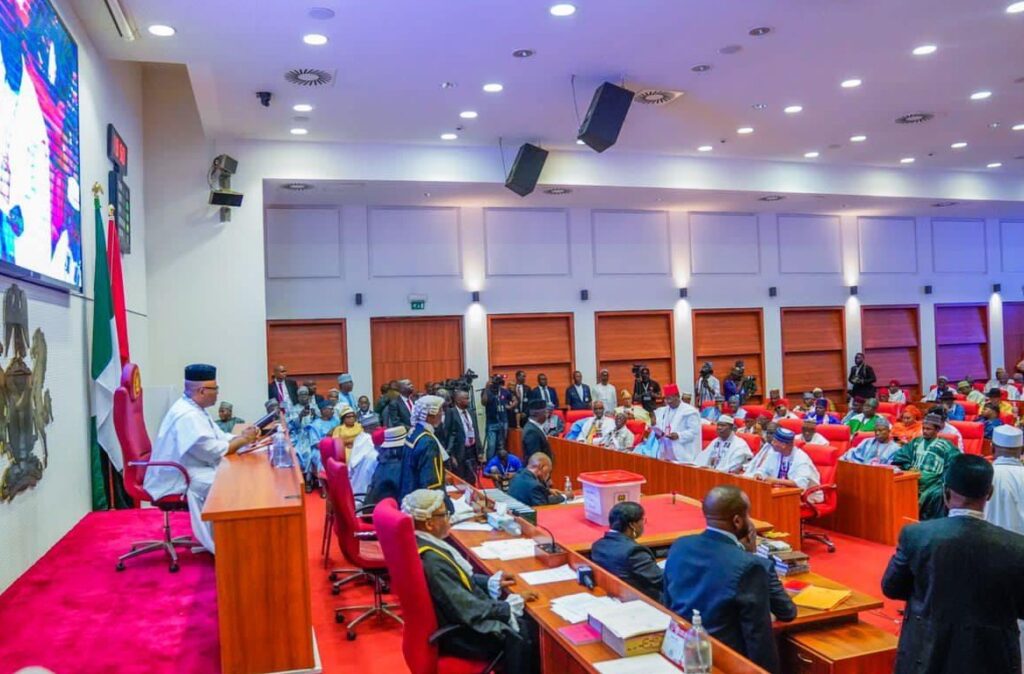
The legislation, introduced by Senate Leader Opeyemi Bamidele, follows intense discussions held just a day earlier, during which senators strongly argued that kidnapping should be categorised as an act of terrorism and subject to the death penalty. Their stance reflects growing unease across the country as violent crimes continue to escalate.
With insecurity worsening, the amendment bill is expected to trigger sweeping revisions to existing laws, enabling the government to apply stricter consequences on kidnappers in response to the increasing threats facing communities nationwide.
Safe School Initiative Under Fresh Scrutiny

Alongside the amendment bill, the Senate formed an 18-member ad hoc committee to probe the troubled Safe School Initiative. Senator Orji Kalu was appointed as the chairman of the committee, joined by Senators Tony Nwoye, Yemi Adaramodu, Harry Ipalibo, Ede Dafinone, Mustapha Saliu, Diket Plang, Binus Yaroe, Kaka Shehu, Musa Garba Maidoki, among others.
The committee’s creation stems from persistent concerns over how funds allocated to the initiative have been managed, especially considering the repeated attacks on educational institutions across the country. Lawmakers questioned why the programme has not yielded better protection for students despite substantial investment.
Their concerns were aggravated by the recent deadly attack on Government Comprehensive Girls Secondary School in Maga, Kebbi State, where gunmen murdered the vice principal and reportedly kidnapped 25 students in another devastating blow to education in the northeast.
The decision to thoroughly scrutinise the initiative emerged after Senator Adams Oshiomhole submitted additional prayers urging an urgent probe. The ad hoc committee has been directed to conduct a full investigation and present its findings within four weeks.
Rising Insecurity Heightens Urgency
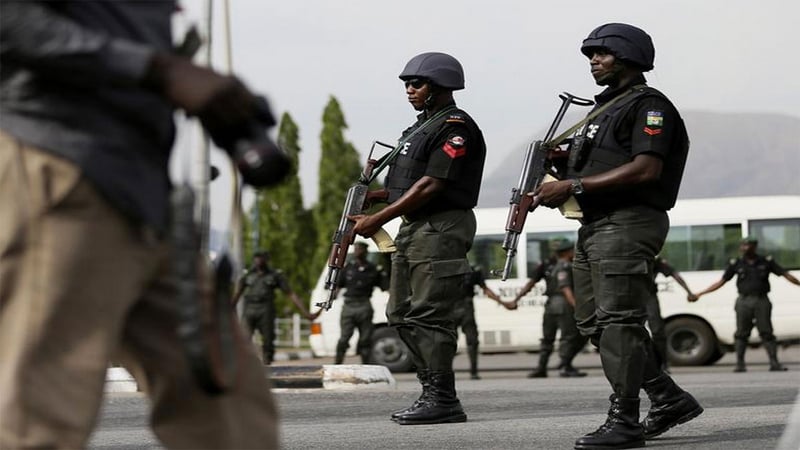
The Senate’s actions come at a time when security agencies are battling a wave of violent incidents across the country. Just last week, heavily armed attackers stormed St. Mary’s Catholic Primary and Secondary Schools in Papiri, Niger State, where they abducted more than 300 pupils and teachers in one of the largest mass kidnappings of the year.
Similar attacks have also been confirmed in Kwara, Kano, and Borno states, heightening widespread fear and exposing the vulnerabilities in Nigeria’s security architecture.
In response, President Bola Tinubu on Wednesday declared a nationwide security emergency. He ordered the accelerated recruitment of new personnel into the Nigerian Armed Forces and the police, while authorising the use of National Youth Service Corps (NYSC) camps as temporary training centres.
The President also directed that officers withdrawn from VIP protection should undergo “crash training” to prepare them for deployment to areas most affected by insecurity. Additionally, he instructed the Department of State Services (DSS) to immediately deploy trained forest guards to flush out terrorists and bandits hiding in remote forest areas.
What You Should Know
The Senate’s move to amend the Terrorism Act signals a shift toward tougher enforcement as lawmakers grapple with Nigeria’s rising insecurity.
With mass abductions becoming more frequent and schools increasingly targeted, lawmakers are revisiting long-standing security programmes like the Safe School Initiative to determine why they have failed.
The President’s nationwide security emergency underscores the gravity of recent attacks and the federal government’s intent to rapidly boost security capacity across affected regions.