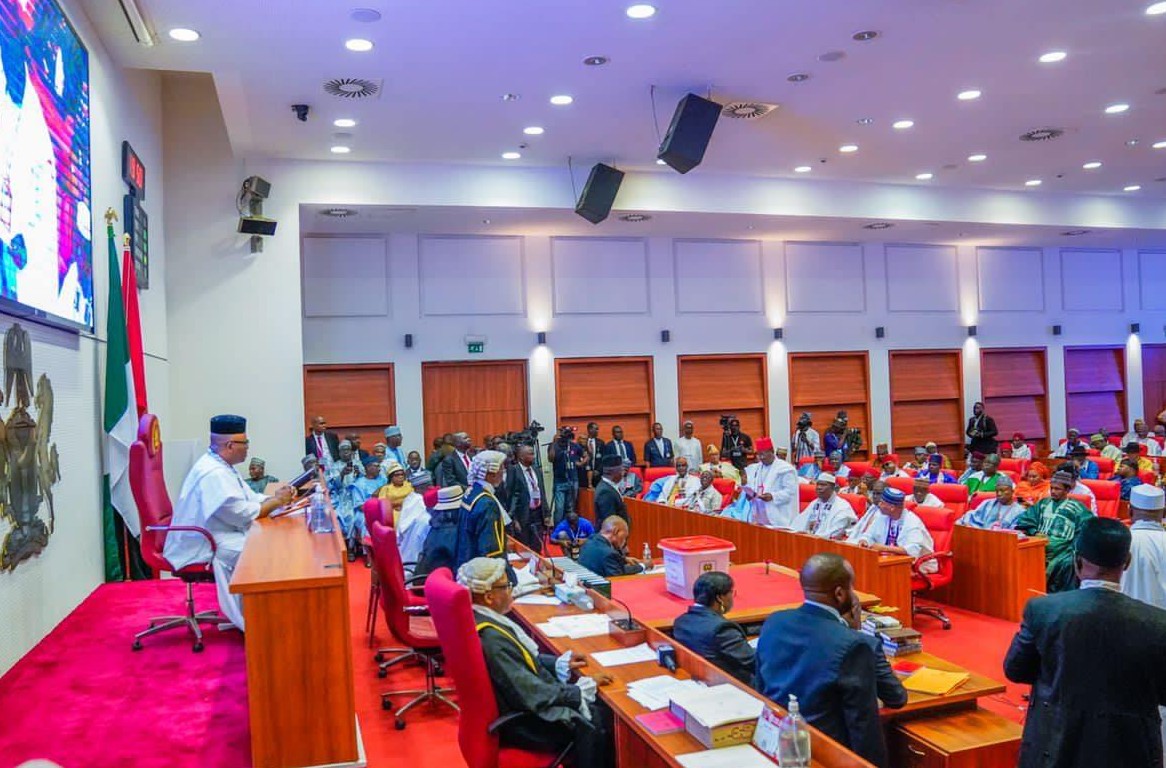
A proposed motion calling for an investigation into alleged land grabbing, demolitions, salary issues, sewage disposal and other administrative challenges in the Federal Capital Territory faced a major obstacle in the Senate on Wednesday after lawmakers ruled it procedurally flawed.
The motion, brought forward by Senator Ireti Kingibe as a matter of urgent national importance under Orders 41 and 51 of the Senate Standing Rules, highlighted several concerns surrounding the management of Abuja.
Among the issues raised were claims that areas designated as green zones under the Abuja Master Plan, meant to serve as corridors for sewage, water and electricity infrastructure as well as environmental buffers, were allegedly being converted for construction through illegal revocations, forced evictions, and reallocations.
Kingibe reminded the chamber that barely a year earlier, the Senate had stepped in and summoned the Minister of the Federal Capital Territory, Nyesom Wike, over similar allegations involving unlawful land administration, disregard for due process and encroachment on legally protected land rights. She expressed concern that, despite that legislative intervention, the same practices were allegedly continuing.
The Senate, however, declined to entertain debate on the motion, ruling that it failed to satisfy the criteria for urgency as provided by the rules. During discussions, Deputy Senate President Barau Jibrin argued that the motion was effectively “dead on arrival,” praising the FCT Minister for what he described as visible transformation in Abuja and commending his overall performance.
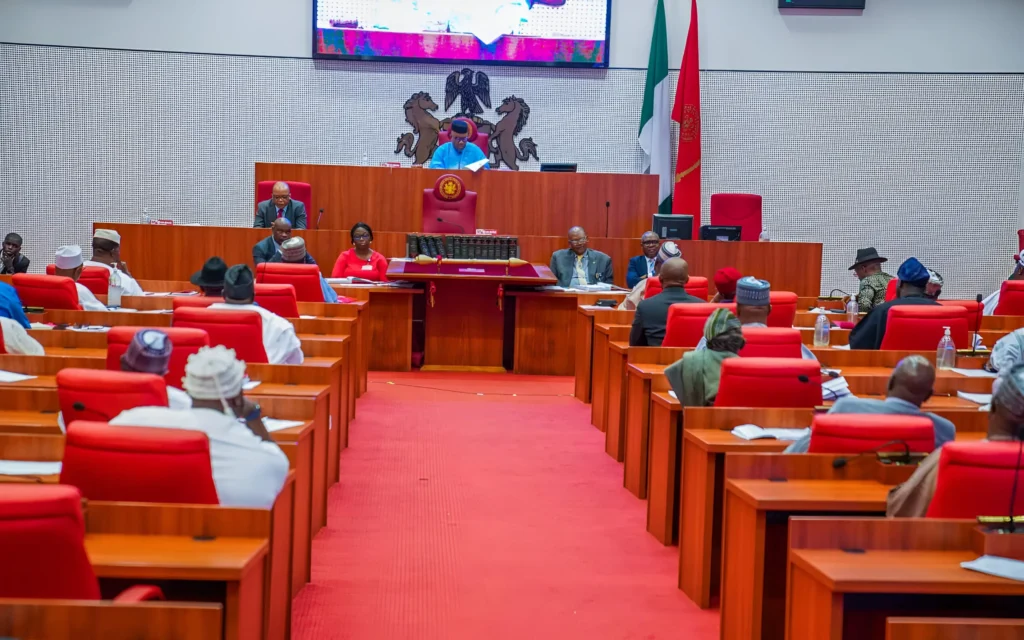
Senate President Godswill Akpabio also faulted the motion, stating that it lacked clarity and focus. He noted that while Abuja is now regarded as one of the most developed cities in Africa, the motion bundled together several unrelated matters such as land administration, staff welfare, demolitions, salaries and waste management.
“When a senator raises a matter of urgent national importance, it must be specific and focused, if it is about waste management, then it should be on waste management alone, not linking salaries, demolition and land administration. This cannot be described as a matter of urgent national importance,” Akpabio said.
Supporting this position, Senate Leader Opeyemi Bamidele explained that matters of urgent national importance are those that cannot wait until the next legislative day. He advised Senator Kingibe to withdraw the motion and reintroduce it later as a substantive motion.
Senator Victor Umeh, however, maintained that the waste management aspect of the proposal was critical and deserved immediate attention. Clarifying further, Akpabio insisted that the motion amounted to an attempt to probe the entire administration of the FCT, which fell outside the scope of Orders 41 and 51. He added that the inclusion of multiple issues beyond waste management made the motion inadmissible.
Senator Munguno described the motion as fundamentally defective. As a result, Senator Kingibe was allowed to withdraw it, with guidance to resubmit a fresh substantive motion restricted strictly to waste management concerns.
What you should know
The Senate’s rejection of the motion highlights how strictly lawmakers apply procedural rules when determining what qualifies as urgent national importance.
While concerns over land administration and waste management in the FCT have been raised previously, the chamber insists that such motions must be narrowly defined to be admissible.
By advising the sponsor to resubmit a focused motion, the Senate signalled that broader investigations into Abuja’s administration require a different legislative approach, rather than being introduced under emergency provisions.