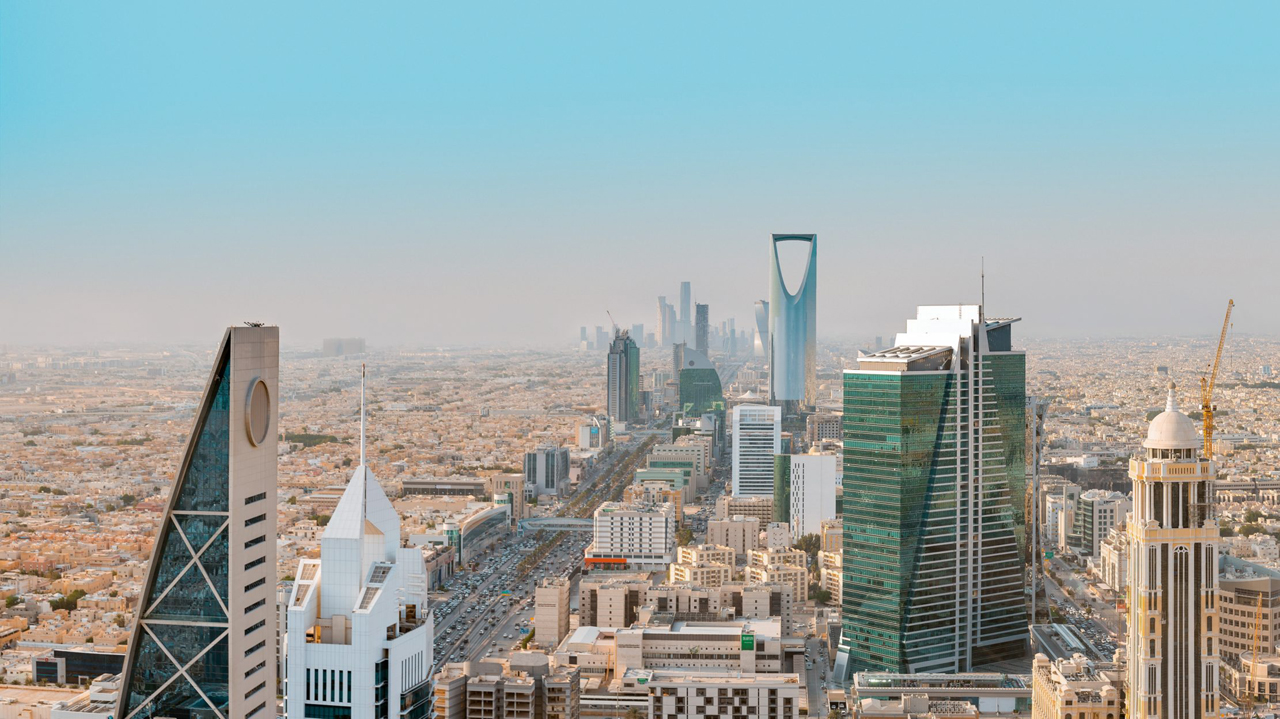
Saudi Arabia’s non-oil sector continued its growth trajectory in December, though momentum slowed to its weakest pace in four months as businesses grappled with market saturation and increasingly competitive conditions, according to survey data released on Monday.
The Riyad Bank Saudi Arabia Purchasing Managers’ Index, a closely watched barometer of business activity, declined to 57.4 last month from November’s 58.5 reading. This marks the second consecutive monthly deceleration in the index, which nonetheless remains comfortably above the 50-point threshold separating growth from contraction and slightly ahead of its long-term average of 56.9.
The cooling reflects a maturing expansion phase in the Kingdom’s efforts to diversify its economy away from oil dependency, a cornerstone of Crown Prince Mohammed bin Salman‘s Vision 2030 reform agenda. While businesses reported sharp increases in output driven by robust new orders, ongoing projects, and heightened investment activity, the rate of expansion has moderated to levels last seen in August.
The survey’s new orders component, a critical indicator of future business performance, retreated to 61.8 from November’s 64.6—its slowest growth rate in four months. Firms attributed the deceleration to an increasingly saturated domestic market, even as improving economic conditions and effective marketing strategies continued to generate business.
“We’re seeing resilience rather than acceleration in demand conditions,” said Naif Al-Ghaith, chief economist at Riyadh Bank. “Firms are navigating a more competitive environment where market share gains are becoming harder won.”
External demand presented a mixed picture. Export orders registered their fifth consecutive monthly increase, albeit the weakest in that sequence, suggesting that international appetite for Saudi non-oil goods and services remains supportive but uneven across markets.
Despite the moderation in growth, companies maintained their commitment to workforce expansion, with employment levels rising strongly as businesses invested in capacity to meet existing commitments and position themselves for future opportunities.
However, cost pressures mounted across the sector. Input prices climbed sharply, driven primarily by higher purchase costs, forcing many companies to pass these increases along to customers through elevated output prices. This inflationary dynamic could test consumer demand in the coming months and potentially constrain future growth.
Perhaps most notably, business sentiment about the year ahead appeared subdued. Survey respondents expressed only moderate expectations for future expansion, citing concerns over intensifying market competition as a significant dampening factor on optimism.
This cautious outlook comes as the Saudi government pushes ahead with massive infrastructure projects and economic reforms designed to reduce the kingdom’s dependence on oil revenues, which have historically accounted for the bulk of government income and GDP. The non-oil sector’s performance is critical to determining whether these diversification efforts can sustain the economic momentum needed to absorb a growing workforce and maintain living standards.
The December PMI data suggests that while Saudi Arabia’s economic transformation remains on track, the path forward may prove bumpier than the robust readings of recent months had indicated, with businesses facing the challenges typical of maturing markets: heightened competition, cost pressures, and the hard work of securing incremental growth in an increasingly crowded landscape.
WHAT YOU SHOULD KNOW
Saudi Arabia’s non-oil sector is still growing but losing steam—December saw the slowest expansion in four months as businesses hit a wall of market saturation and fiercer competition. While companies are still hiring and output remains strong, the warning signs are clear: demand is plateauing, costs are rising, and business confidence about the future has turned cautious.
The bottom line: The Kingdom’s economic diversification push is working, but the easy growth phase may be over. Success now depends on fighting for market share in an increasingly crowded landscape rather than riding a wave of expansion.