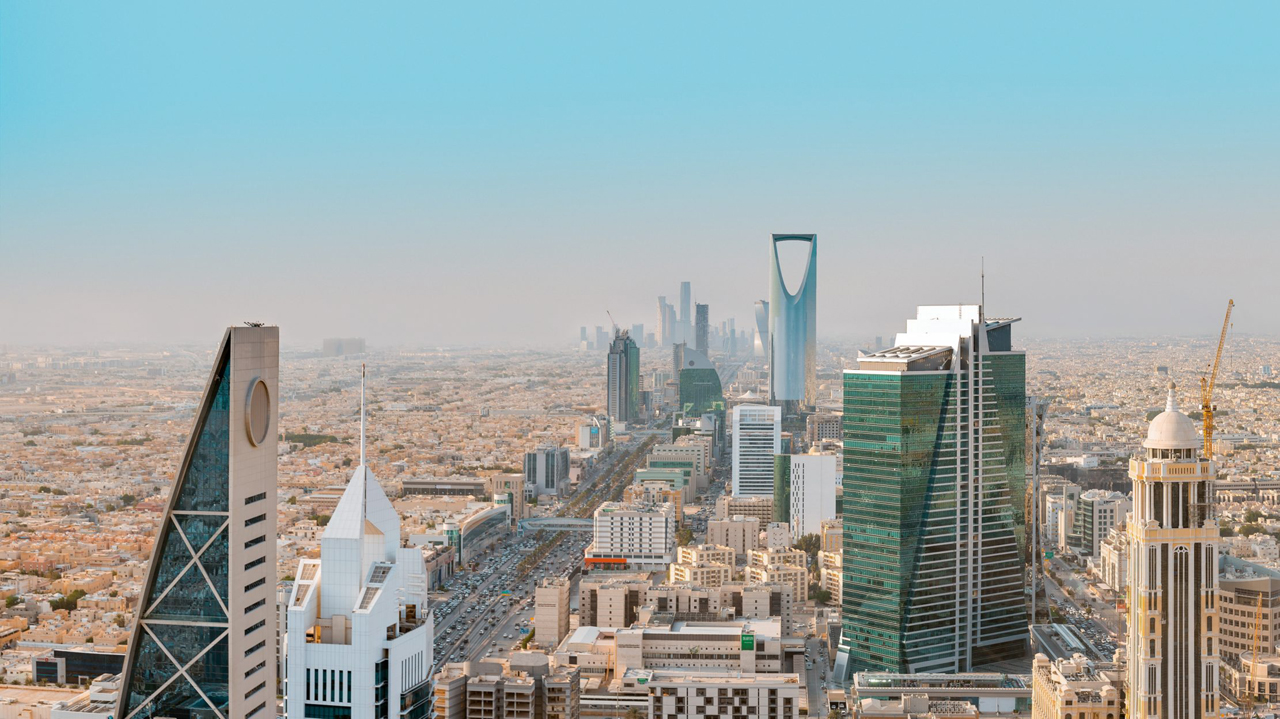
In a sweeping move to attract international capital and diversify its economy beyond oil, Saudi Arabia announced on Tuesday that it will open its financial markets to all foreign investors starting February 1, marking one of the kingdom’s most significant economic reforms to date.
The Capital Market Authority, Saudi Arabia’s top financial regulator, unveiled amendments that fundamentally reshape who can invest in the country’s stock exchange. The changes eliminate the longstanding Qualified Foreign Investor framework, which had restricted direct market access to only those international institutions meeting stringent criteria for consistent engagement with Saudi capital markets.
“The move will allow investors from around the world to invest directly in the capital market,” the CMA stated, emphasizing that the reform is designed to “support inflows and improve market liquidity” in what is already the Middle East’s largest stock market.
The policy shift represents a cornerstone of the kingdom’s ambitious economic transformation agenda. Saudi Arabia is now more than halfway through its comprehensive plan to reduce the nation’s heavy reliance on oil revenues—a strategy that has taken on renewed urgency as global energy markets face long-term uncertainty and pressure to transition away from fossil fuels.
The liberalization comes as part of a broader push to court foreign investment through multiple channels. The kingdom has recently partnered with Asian financial hubs, launching exchange-traded funds with institutions in Japan and Hong Kong to facilitate easier access for investors in those markets.
Tuesday’s announcement follows other measures aimed at making Saudi markets more attractive to international money managers. Last year, regulators opened the door for foreign investors to purchase stakes in listed companies that own real estate in the holy cities of Mecca and Medina—though direct land ownership restrictions remain in place for non-Saudis. That move was seen as particularly significant given the religious and cultural sensitivity surrounding the kingdom’s holiest sites.
Market watchers have been anticipating further liberalization since September, when Saudi stocks surged following reports that the CMA was considering easing caps on foreign ownership of listed companies. Tuesday’s announcement appears to fulfill those expectations and goes even further by removing barriers to entry entirely.
The stakes are substantial. According to the CMA, international investors held 590 billion riyals—approximately $157 billion—in the Saudi capital market at the end of the third quarter of last year. With restrictions now lifted, analysts expect that figure to grow considerably as fund managers from North America, Europe, and Asia gain unfettered access to one of the world’s most oil-rich economies.
The reforms signal Saudi Arabia’s determination to position itself as a competitive destination for global capital, even as it faces regional rivals like the United Arab Emirates that have already established themselves as international financial centers. For foreign investors, the changes offer access to a market that includes some of the world’s most profitable companies, including oil giant Saudi Aramco, one of the planet’s most valuable firms.
The February 1 implementation date gives international investors less than a month to prepare for what could be a historic influx of capital into the Saudi market.
WHAT YOU SHOULD KNOW
Saudi Arabia is eliminating all restrictions on foreign investment in its stock market starting February 1, allowing any international investor to buy Saudi stocks directly for the first time.
This historic opening—part of the kingdom’s drive to reduce oil dependence—could unlock billions in new capital flows into the Middle East’s largest stock market, which already holds $157 billion in foreign investment.
For global investors, it means unprecedented access to one of the world’s wealthiest economies and companies like Saudi Aramco.