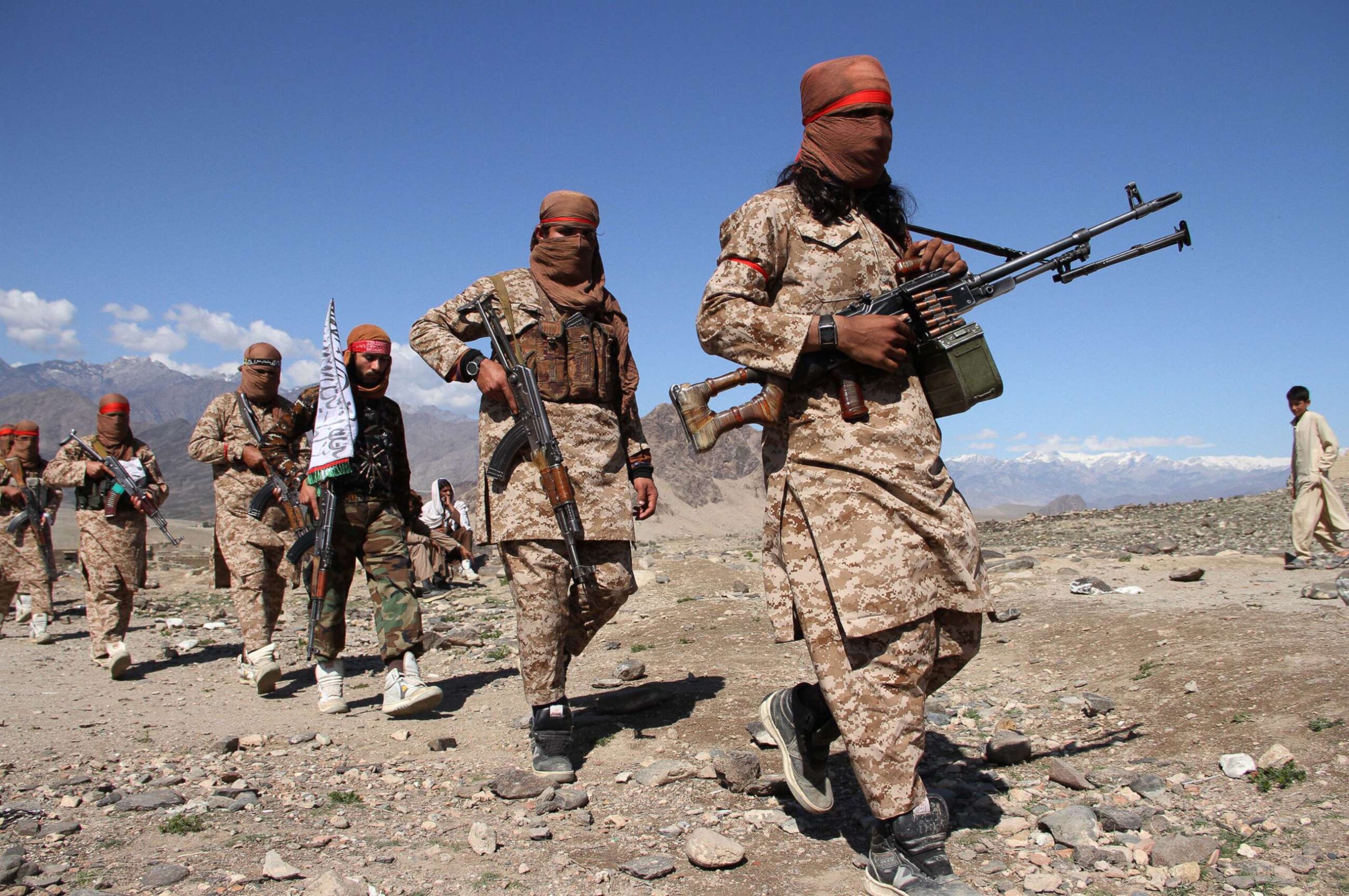
In a historic and controversial move, Russia has become the first country to officially recognise the Taliban-led government of Afghanistan since it seized power in 2021.
The decision was confirmed following a meeting on Thursday in Kabul between Afghanistan’s Foreign Minister Amir Khan Muttaqi and Russian Ambassador Dmitry Zhirnov.
Calling it a “brave decision,” Muttaqi said, “Now that the process of recognition has started, Russia was ahead of everyone.” The Afghan Foreign Ministry heralded the recognition as a “new phase of positive relations, mutual respect, and constructive engagement,” signaling an important diplomatic breakthrough for a regime long shunned by much of the world.
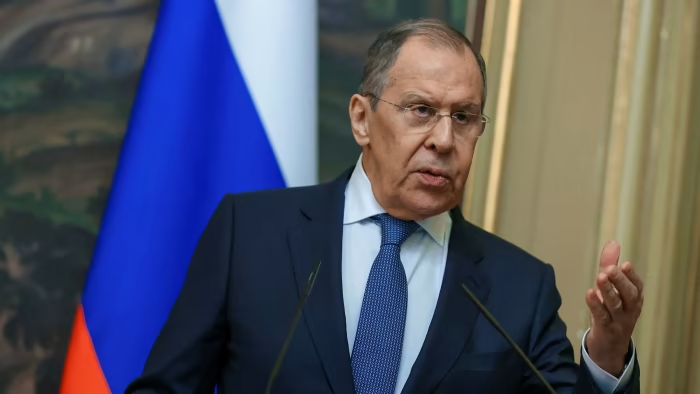
Russia’s Foreign Ministry confirmed the recognition on Telegram, expressing hopes of expanded cooperation in sectors like energy, transportation, agriculture, and infrastructure. It also emphasized joint efforts to combat terrorism and drug trafficking—major regional concerns. Russia’s decision comes after steps such as delisting the Taliban from its register of terrorist organisations and accepting a Taliban-appointed ambassador earlier this year.
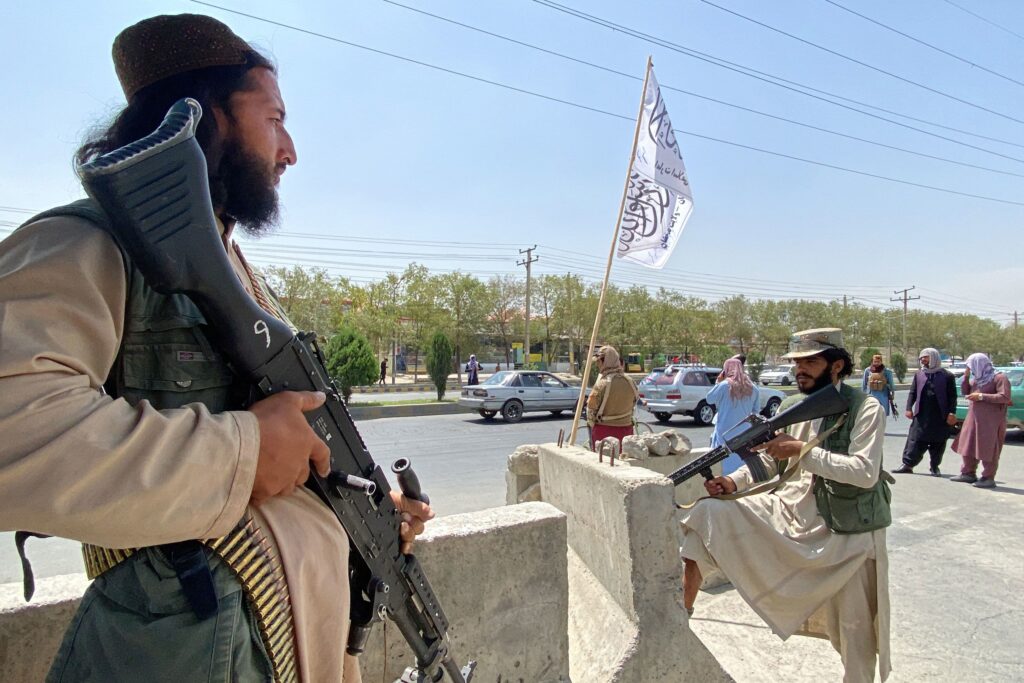
Diplomatic Shift and Strategic Interests
This marks a dramatic turn in Afghanistan’s international standing, particularly coming from Russia—a country that once fought a decade-long war against Afghan insurgents during its Soviet era. Since the Taliban’s return to power in August 2021, only a few nations have openly accepted Taliban diplomats, with none formally recognising the regime until now.
During the Taliban’s previous rule (1996–2001), only three countries—Saudi Arabia, Pakistan, and the UAE—extended recognition. Russia’s move may set the stage for similar acknowledgments from other nations, especially those with economic or security interests in the region.
China quickly responded, welcoming Moscow’s decision. “Afghanistan should not be excluded from the international community,” said Foreign Ministry spokeswoman Mao Ning, reaffirming Beijing’s cautious but growing engagement with Kabul.
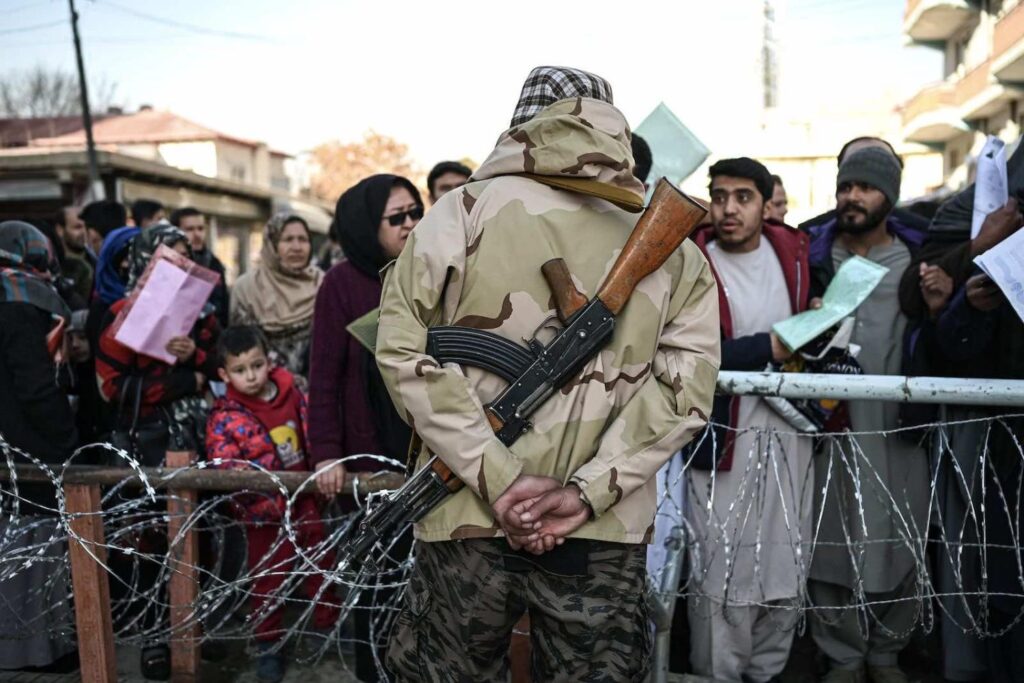
Backlash Over Human Rights Violations
Despite the diplomatic milestone, the decision drew strong condemnation from Afghan women’s rights advocates and former lawmakers. Mariam Solaimankhil, a former Afghan MP, denounced the move: “It legitimizes a regime that bans girls from education, enforces public floggings, and shelters UN-sanctioned terrorists.”
Another former MP, Fawzia Koofi, warned that recognition “will not bring peace—it will legitimize impunity and risk endangering not just the people of Afghanistan, but global security.”
The Taliban’s harsh restrictions on women and girls—including bans on secondary and university education, public sector jobs, and many aspects of public life—remain major barriers to broader international recognition, especially among Western governments.
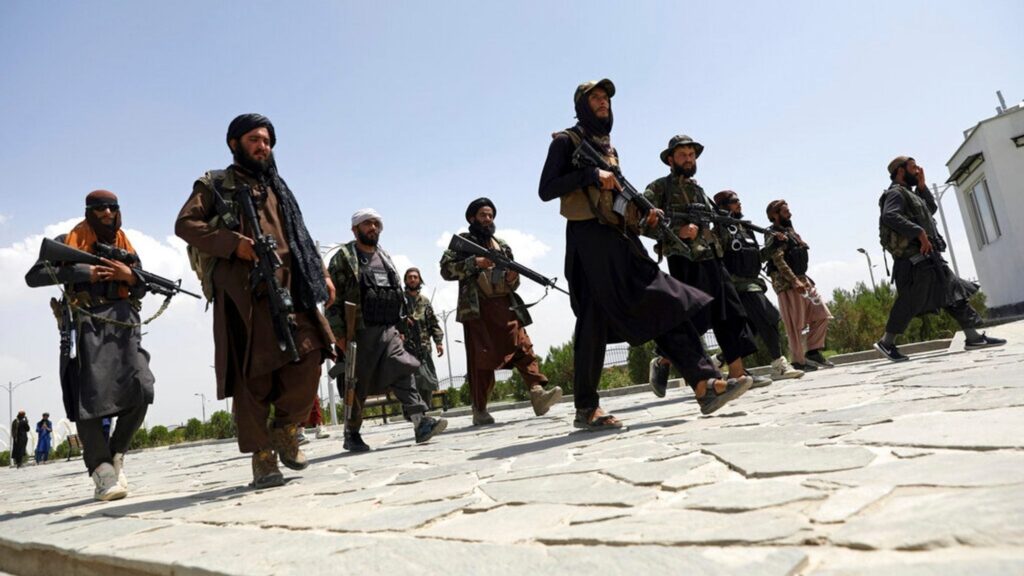
What Lies Ahead?
Russia’s recognition of the Taliban could signal a broader shift in how regional powers approach engagement with Afghanistan, focusing on stability, counterterrorism, and economic corridors rather than human rights reforms. It may also prompt more direct competition with Western nations that have withheld recognition due to governance and humanitarian concerns.
As the Taliban seeks investment to rebuild a war-torn economy, Moscow’s endorsement might help unlock new diplomatic and trade partnerships. However, without addressing widespread criticism over human rights abuses and international sanctions on Taliban leaders, the path to full global legitimacy remains fraught.
What you should know
Russia has officially recognised the Taliban government, becoming the first country to do so since the group’s return to power in 2021.
While hailed as a diplomatic breakthrough by the Taliban, the move has drawn condemnation from Afghan women’s rights advocates and raises concerns about legitimising a regime accused of systemic human rights violations.