The Indian rupee crashed to an unprecedented low against the US dollar on Tuesday, as President Donald Trump’s dramatic increase in H-1B visa fees sent shockwaves through India’s critical information technology sector and raised fresh concerns about the currency’s stability.
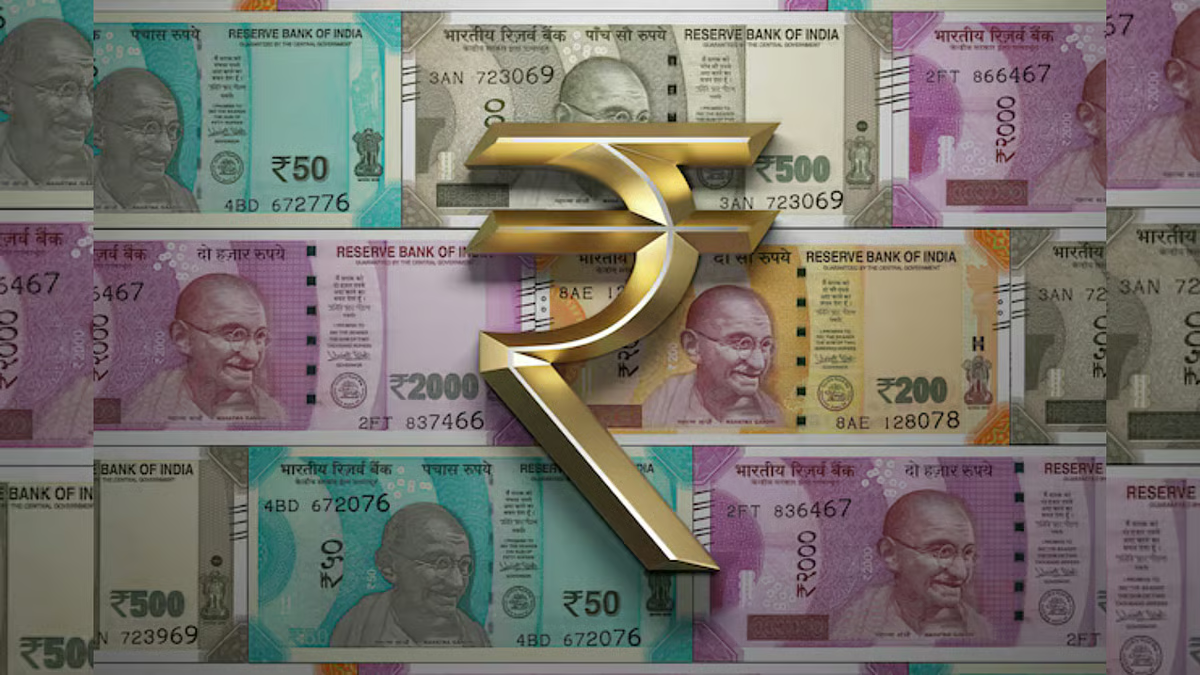
The rupee slumped as much as 0.5% to hit 88.79 per dollar during Tuesday’s trading session, breaking through its previous record low of 88.4563 set on September 11. This latest decline underscores mounting pressure on India’s currency from multiple fronts, with analysts warning that the worst may be yet to come.
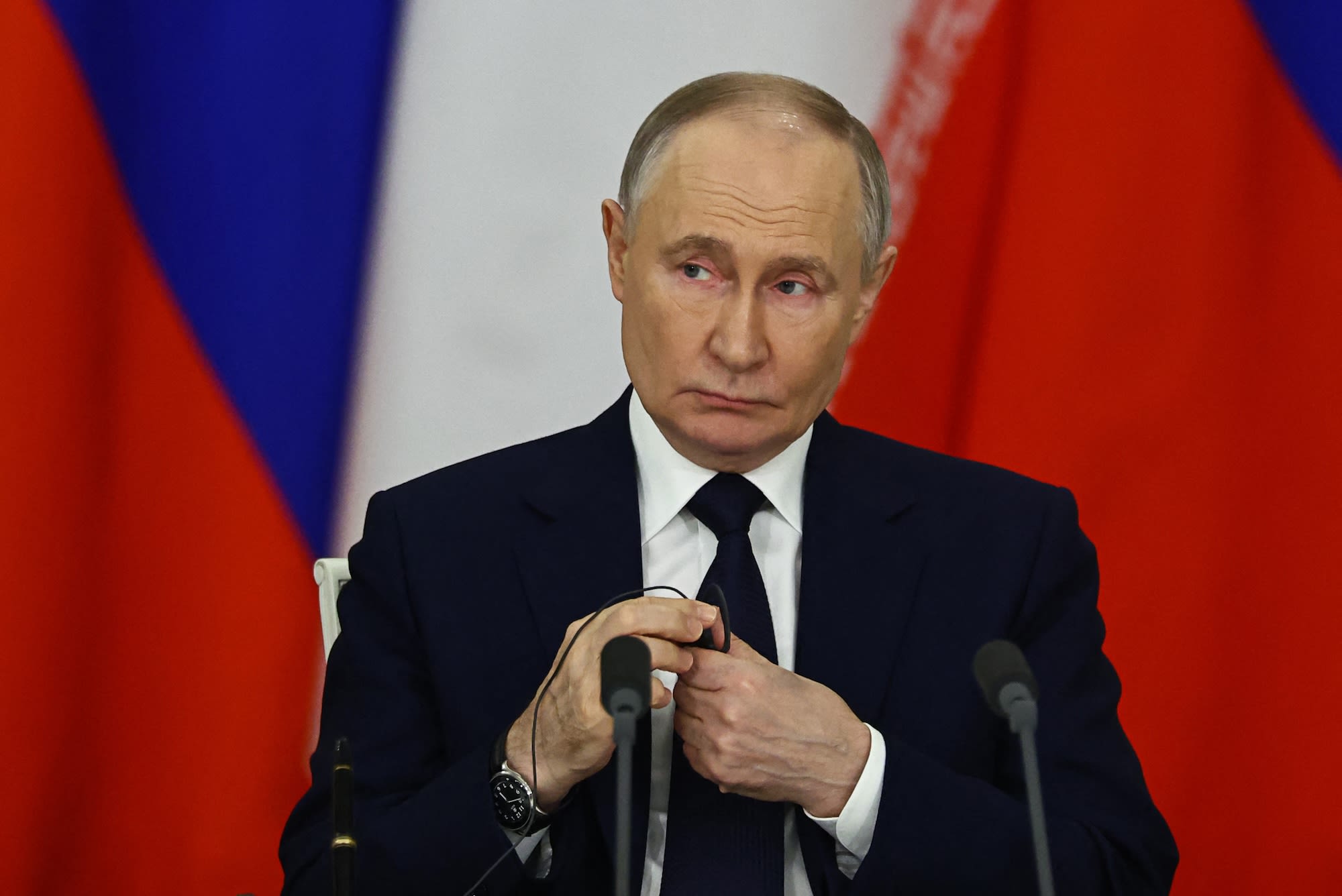
The dramatic selloff was triggered by President Trump’s proclamation on Friday, September 19, imposing a staggering $100,000 annual fee on H-1B worker visa applications—a move that threatens to upend the business model of India’s $245 billion IT services industry and could have far-reaching implications for the broader economy.
“The timing couldn’t be worse,” said Dhiraj Nim, FX strategist at ANZ Bank. “For the rupee, the pressures have increased in terms of tariffs kicking in at 50%, and the recent visa news is incrementally negative for equity flows, especially into the IT sector.”
IT Sector in the Crosshairs
India’s technology giants are particularly vulnerable to the visa fee shock, as they have long relied on deploying skilled workers to client sites in the United States. The market reaction was swift and brutal, with investors dumping shares of IT outsourcing firms of all sizes, including industry heavyweights Infosys, Tech Mahindra, Wipro, HCL Technologies, and Tata Consultancy Services.
The visa fee increase threatens to slash profit margins for these companies, which typically absorb such costs rather than pass them on to clients. More critically, it could force a fundamental restructuring of how Indian IT firms operate, potentially accelerating the shift toward remote delivery models that may be less profitable.
Beyond immediate corporate impact, the visa restrictions pose a dual threat to India’s balance of payments. Reduced deployment of workers to the US is expected to weigh heavily on remittances – a crucial source of dollar inflows that has historically helped support the rupee. Simultaneously, foreign investors are likely to reassess their exposure to Indian IT stocks, potentially triggering further capital outflows.
Perfect Storm of Pressures
The visa fee bombshell comes at a particularly challenging time for the Indian currency, which was already grappling with the specter of punitive US tariffs. The Trump administration has signaled its intention to impose 50% tariffs on Indian goods—the highest rate among Asian trading partners—dealing a potential blow to the country’s export competitiveness.
These external headwinds have created a perfect storm for the rupee, which has significantly underperformed its regional peers this year despite a recent decline in the dollar index that typically provides relief for emerging market currencies.
The scale of foreign investor flight from Indian markets tells the story in stark numbers: overseas investors have pulled more than $15 billion from Indian equities so far in 2025, reflecting growing concerns about the country’s economic outlook amid escalating trade tensions with its largest trading partner.
Central Bank’s Measured Response
Despite the mounting pressure, the Reserve Bank of India appears to be adopting a strategy of managed decline rather than aggressive defense of any particular exchange rate level. Market participants reported that the central bank likely intervened near the 88.50 level on Tuesday, selling dollars through state-run banks to provide temporary support before allowing the currency to slide further.
This measured approach reflects the RBI’s recognition that some depreciation may be necessary to maintain competitiveness, particularly given the tariff pressures facing Indian exporters. With inflation expected to remain relatively contained at 4-4.5% in fiscal year 2026-27, ANZ’s Nim noted that “a modest decline would be manageable” for policymakers.
Broader Economic Implications
India has formally raised concerns with the United States over the visa fee increase, warning of potential “humanitarian consequences” and “disruptions for families” affected by the policy. The diplomatic pushback underscores the high stakes involved, as the H-1B program has been a cornerstone of the US-India economic relationship for decades.
The currency crisis also highlights India’s vulnerability to shifts in US immigration and trade policy, despite efforts to diversify its economic partnerships in recent years. As the world’s most populous nation continues its rapid economic development, the rupee’s travails serve as a reminder of the challenges facing emerging markets in an increasingly fragmented global economy.
For now, market participants are bracing for continued volatility as the full impact of the visa fee increase becomes clearer. With the IT sector accounting for a significant portion of India’s services exports and employment, the reverberations from Tuesday’s currency shock are likely to be felt across the economy for months to come.
WHAT YOU SHOULD KNOW
The Indian rupee hit a historic low of 88.62 against the dollar, driven primarily by President Trump’s massive $100,000 H-1B visa fee increase that threatens India’s $245 billion IT sector.
This policy shock, combined with looming 50% US tariffs on Indian goods, has triggered a perfect storm for the currency—potentially slashing IT profits, reducing worker remittances, and accelerating the $15 billion foreign investor exodus from Indian markets in 2025.
The crisis exposes India’s dangerous economic vulnerability to US immigration and trade policy shifts, with the Reserve Bank allowing controlled depreciation rather than aggressive defense of the currency.