The Nigerian Army has raised alarm that more suicide bombers may have been deployed into Maiduguri following the deadly explosions that rocked the city on Monday night.
In a statement issued on Tuesday, the spokesperson of Operation Hadin Kai said the attacks were carried out by suspected Boko Haram suicide bombers.
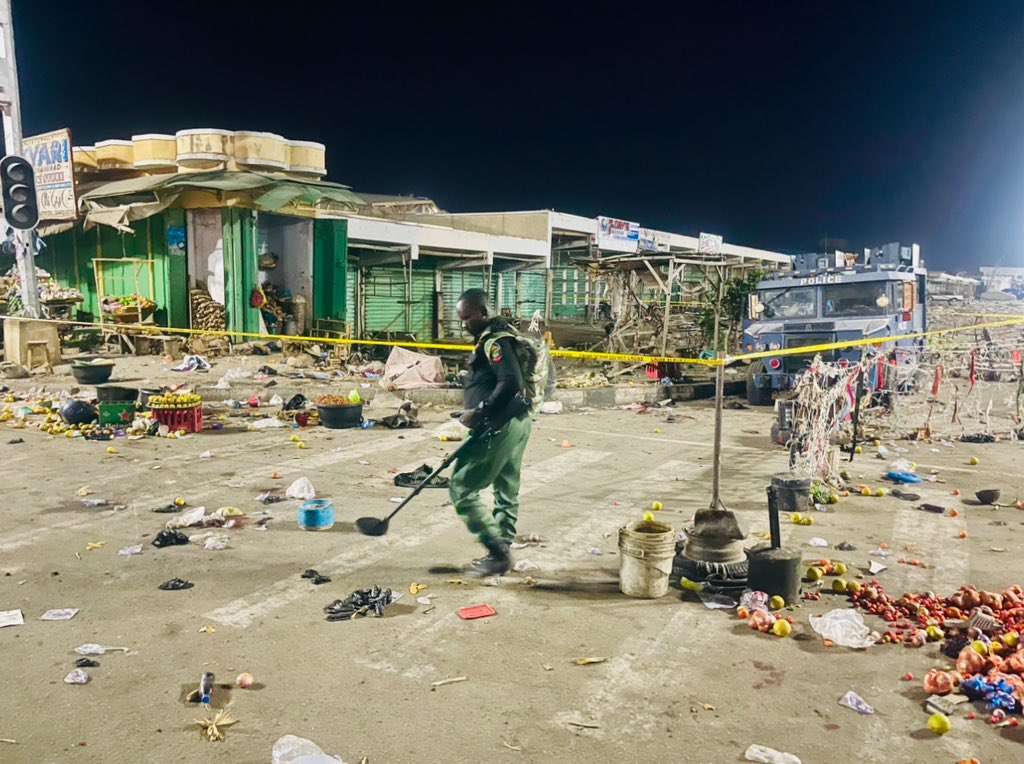
“The explosions were carried out by suspected Boko Haram terrorist suicide bombers who detonated improvised explosive devices at three different locations within the city,” he said.
He described the attacks as calculated attempts to cause mass casualties and spread fear among residents, noting that crowded public areas were deliberately targeted.
“The cowardly attacks targeted crowded public areas in an attempt by the terrorists to inflict mass casualties and create panic within the metropolis.
“Preliminary information further indicates that the terrorists may have deployed multiple suicide bombers into Maiduguri with the intention of carrying out coordinated suicide bombings at crowded locations,” the statement added.
Security forces have since intensified surveillance, patrols, and counter-IED operations across the city to track down any remaining suspects and prevent further attacks.
Troops, working alongside the Nigeria Police Force Explosive Ordnance Disposal unit and other security agencies, swiftly responded by securing and cordoning off affected locations.
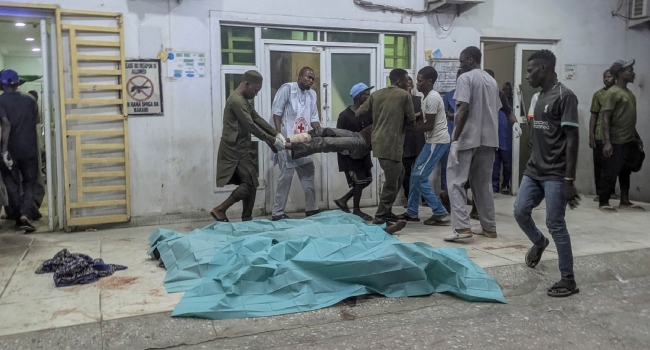
Emergency responders, including the National Emergency Management Agency, evacuated victims to medical facilities such as the General Hospital, Specialist Hospital, and the University of Maiduguri Teaching Hospital for urgent treatment.
Authorities have urged residents to remain calm but vigilant, avoid crowded places where possible, and report any suspicious individuals or unattended items to security agencies.
According to police reports, at least 23 people lost their lives, while 108 others sustained injuries in the coordinated attacks. The explosions, which occurred around 7:24 pm, struck a major market, the gate of the University of Maiduguri Teaching Hospital, and the Post Office flyover.
The incident marks a troubling resurgence of violence in Maiduguri, which had experienced a period of relative calm in recent years despite ongoing insurgency in surrounding areas.
What you should know
Maiduguri has long been the epicentre of Nigeria’s fight against Boko Haram and ISWAP insurgents.
While improved military operations had reduced attacks within the city, recent incidents show that the threat remains active and adaptive. The use of multiple suicide bombers suggests a coordinated strategy aimed at regaining attention and destabilising urban centres.
Security agencies are now increasing intelligence efforts and public awareness to prevent further attacks and restore confidence among residents.