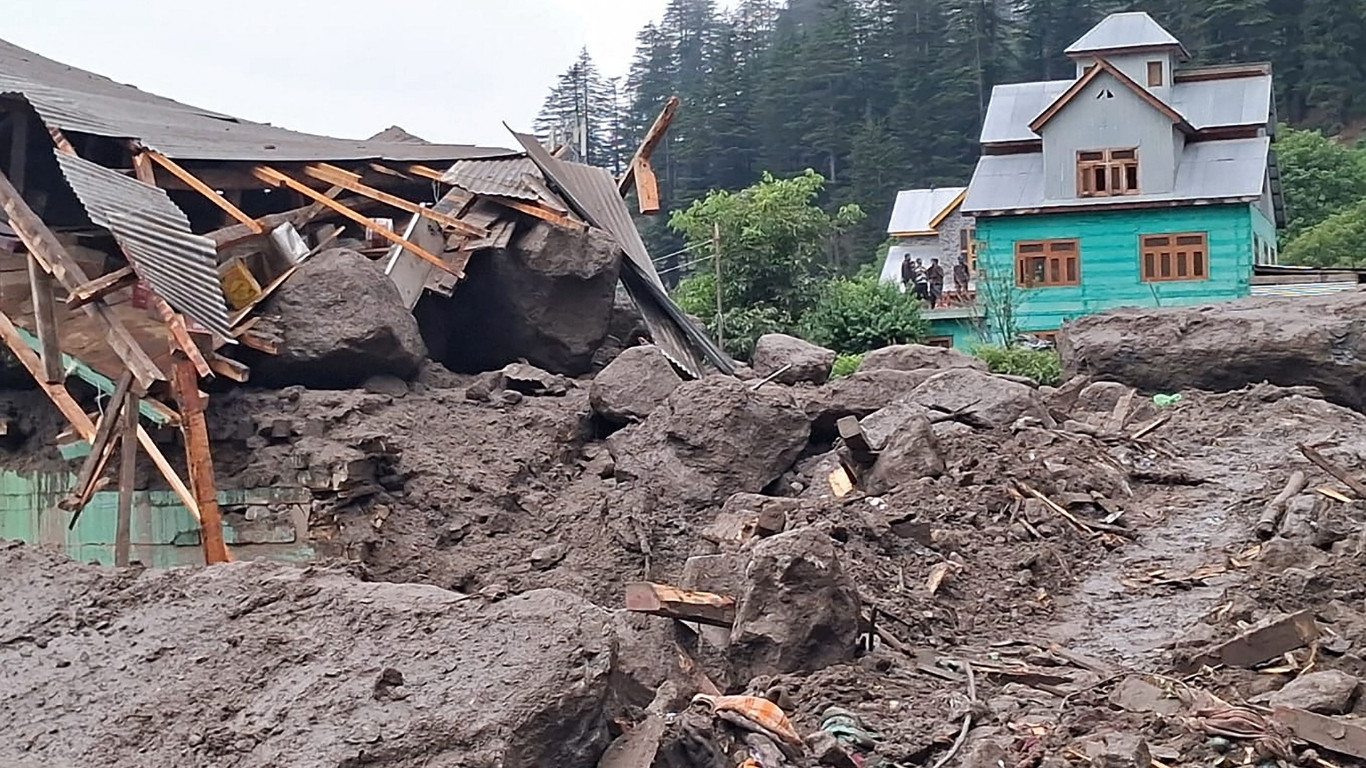
Rescue teams in Indian-administered Kashmir continued to recover bodies on Friday after a devastating flood swept through the Himalayan village of Chisoti, killing at least 60 people and leaving many more missing.
The disaster, triggered by intense rainfall, sent torrents of water and mud surging through the area on Thursday, destroying homes and carrying away dozens of residents and visitors.
Among those missing were Hindu pilgrims visiting a nearby shrine. Authorities said a large temporary kitchen in Chisoti, where over 100 pilgrims had gathered, was completely destroyed during what Kashmir Chief Minister Omar Abdullah described as a sudden “cloudburst” storm.
Arun Shah, 35, who had just finished his pilgrimage with his family, recalled the chaos from a hospital bed in Kishtwar district, where the village is located. “It was horrifying,” he said. “Boulders and water came rushing down from the mountain. We all got separated while trying to save ourselves.”
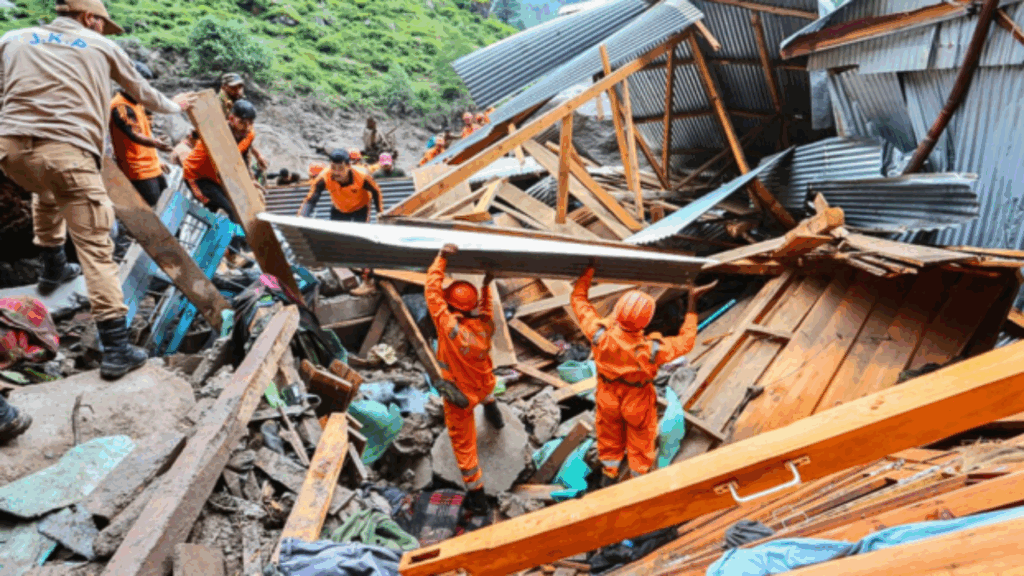
Medical staff at Kishtwar district hospital reported receiving over 100 people injured in the disaster, many with head trauma, broken bones, and fractured ribs. Search teams, aided by heavy earthmovers, worked through deep mud to retrieve bodies.
The Indian army’s White Knight Corps confirmed its troops were “braving the harsh weather and rugged terrain” to evacuate the injured. Rescue teams also delivered ropes, digging equipment, and other emergency supplies to the site.
Mohammad Irshad, a senior disaster management official, confirmed that 60 people had died and around 80 remained unaccounted for.
Flooding and landslides are common during the June-to-September monsoon season, but experts warn that climate change and unplanned development are increasing both the frequency and severity of such disasters. Just days earlier, on August 5, floods buried the Himalayan town of Dharali in India’s Uttarakhand state under mud, with more than 70 feared dead.
The UN’s World Meteorological Organization has warned that more intense floods and droughts are a clear “distress signal” of an increasingly unstable global water cycle caused by climate change.
Chisoti’s rescue operations were further hampered by roads already damaged from days of relentless storms. The village is located over 200 kilometers (125 miles) from Srinagar, the region’s main city.
Prime Minister Narendra Modi addressed the recent wave of natural disasters during his Independence Day speech in New Delhi, saying: “In the past few days, we have been facing natural disasters, landslides, cloudbursts, and many other calamities. Our sympathies are with the affected people. State governments and the central government are working together with full strength.”
What you should know
A sudden cloudburst in Chisoti, Kashmir, caused a deadly flood that has killed at least 60 people and left dozens missing.
The disaster struck during the monsoon season, which has already seen multiple severe floods in India this month. Rescue operations are ongoing, with army troops and emergency teams working under difficult conditions to recover victims and assist survivors.
Climate change and poor development planning are being cited as factors contributing to the increased severity of such events.