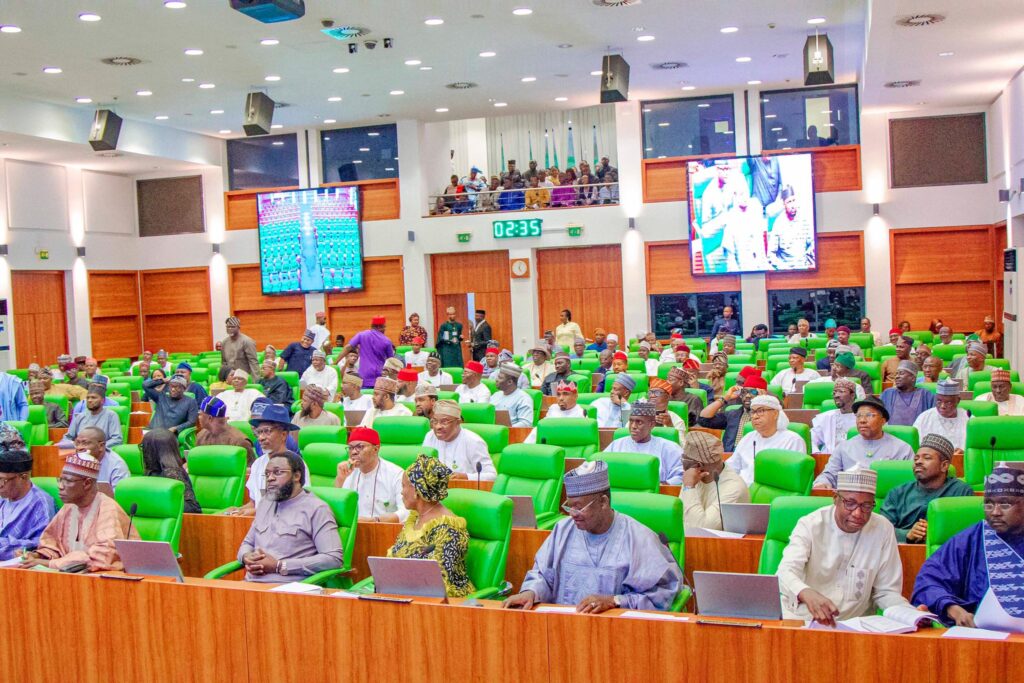
The House of Representatives has endorsed sweeping changes to Nigeria’s campaign finance rules, approving a significant increase in spending limits for candidates seeking elective offices ahead of the 2027 general elections.
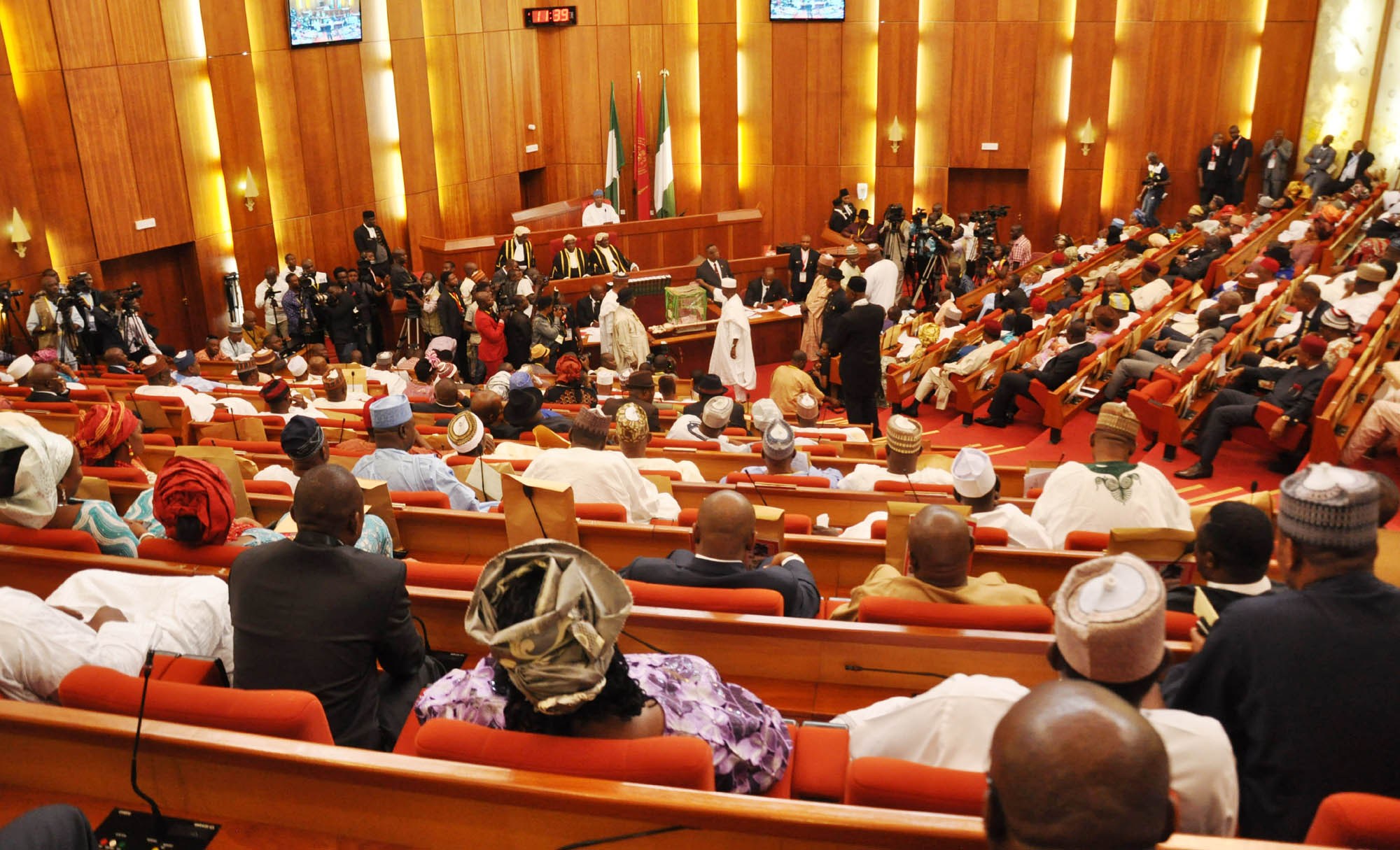
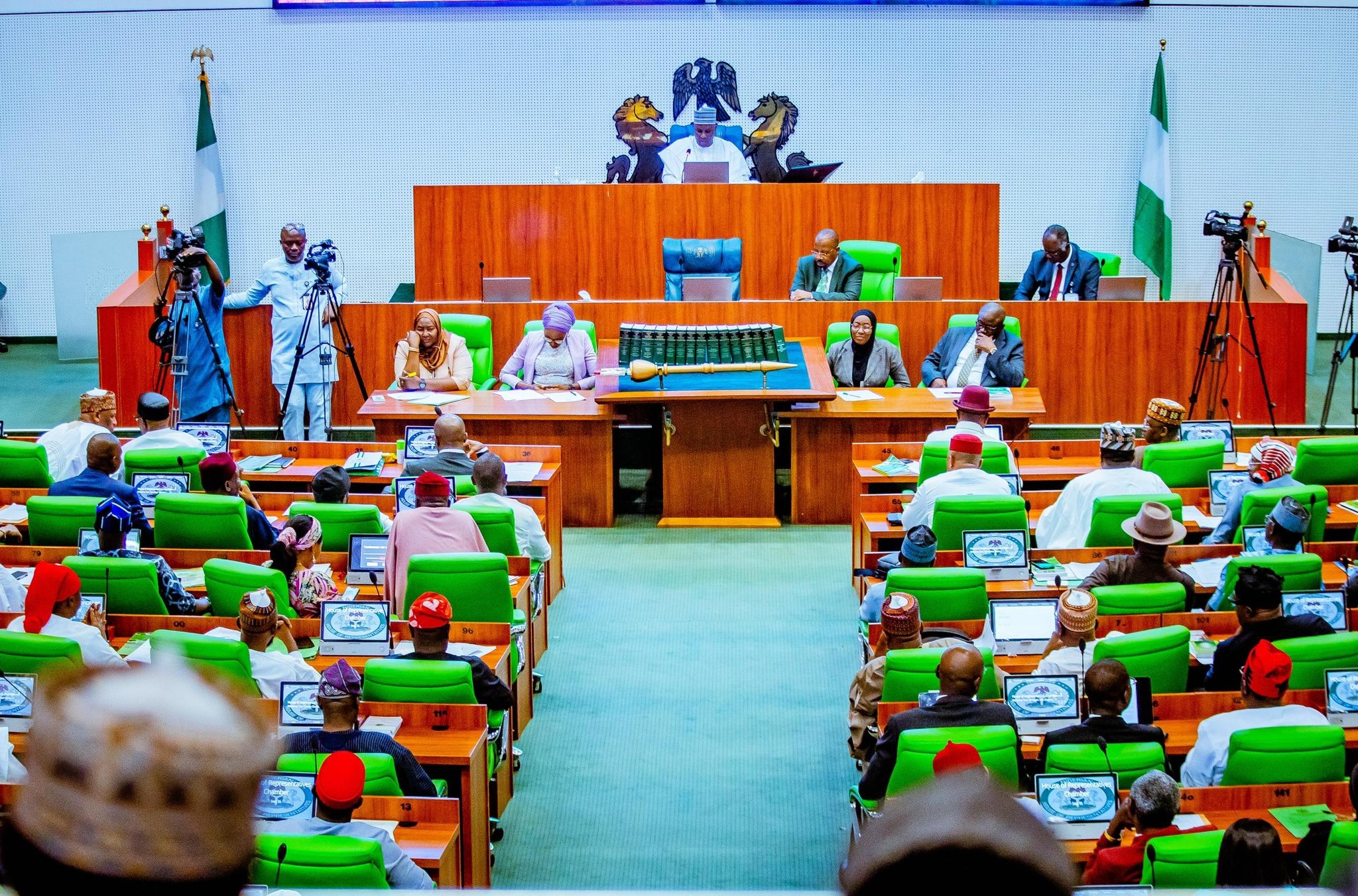
The decision was reached during Thursday’s plenary following a clause-by-clause consideration of a report proposing amendments to the Electoral Act 2022. Under the approved revisions, the maximum amount a presidential candidate is permitted to spend on campaigns was doubled from ₦5 billion to ₦10 billion.
Lawmakers also approved substantial upward reviews for other offices. The campaign spending ceiling for governorship candidates was raised from ₦1 billion to ₦3 billion, while senatorial candidates will now be allowed to spend up to ₦500 million, compared to the existing ₦100 million limit. Candidates contesting for seats in the House of Representatives will be able to spend as much as ₦250 million, an increase from the previous ₦70 million cap.
At the state level, candidates for state houses of assembly will now have a spending limit of ₦100 million, up from ₦30 million. The revised framework also affects local government elections, allowing chairmanship candidates to spend up to ₦100 million instead of ₦30 million, while the ceiling for councillorship candidates has been increased from ₦5 million to ₦10 million.
Beyond campaign expenditure, the House approved a major adjustment to political donations. The maximum amount an individual or organisation can contribute to a candidate was increased from ₦50 million to ₦500 million.
The amendments are part of broader legislative efforts to overhaul Nigeria’s electoral system ahead of the 2027 polls. Earlier in the week, the House approved another proposal mandating the real-time transmission of election results, reflecting a wider push for electoral reforms.
The proposed changes to the Electoral Act 2022 will only become law after concurrence by the Senate and assent by the President.
What you should know
The House of Representatives has moved to significantly expand campaign finance limits across all elective offices, citing the need to align spending caps with current political realities ahead of the 2027 elections.
The amendments affect presidential, governorship, legislative, and local government races, while also sharply increasing allowable campaign donations. However, the proposals are not yet law and still require approval by the Senate and presidential assent.
If enacted, the changes could reshape campaign strategies, fundraising patterns, and the overall cost of political participation in Nigeria.