Summary
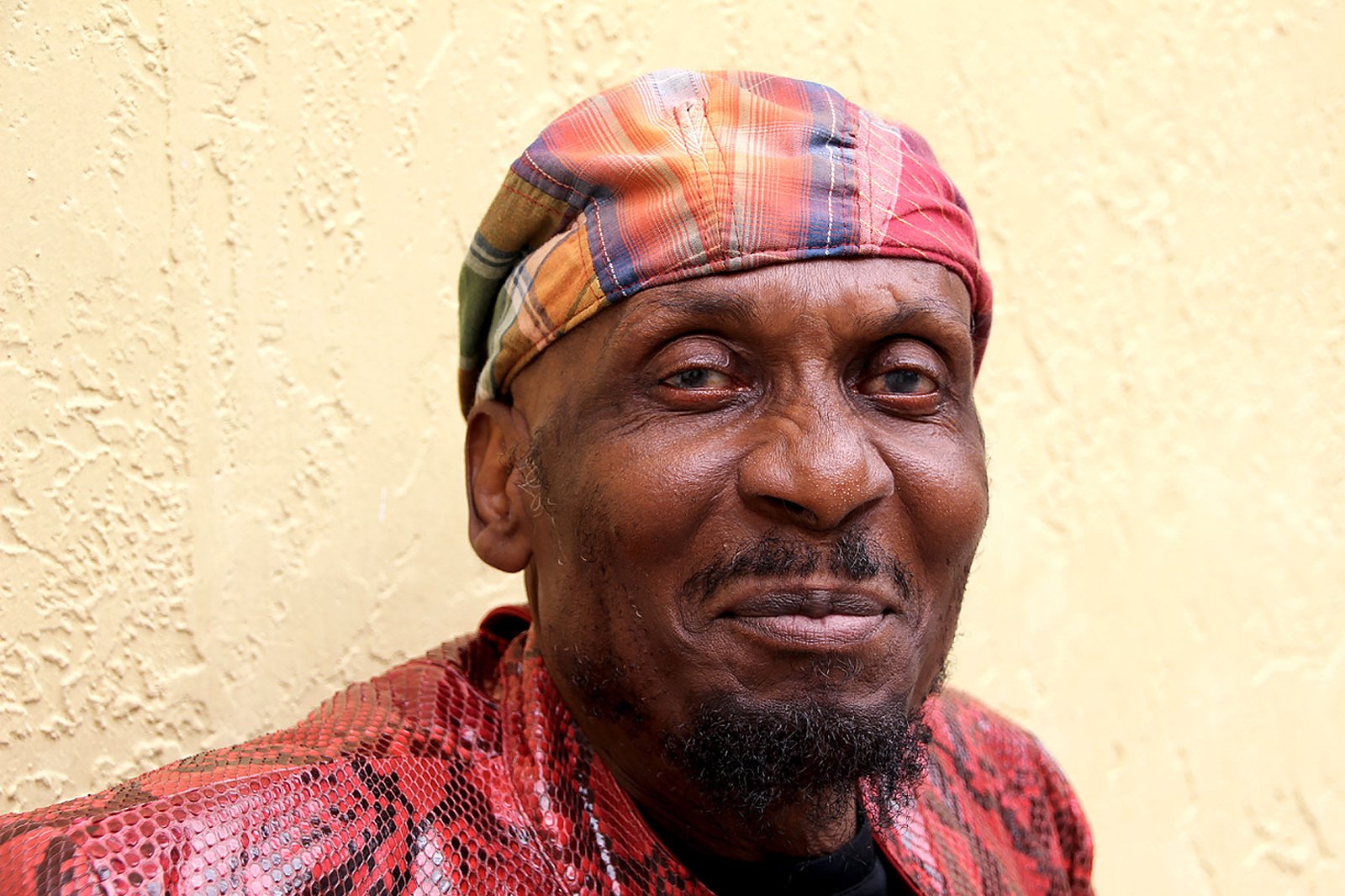
The music world is mourning the loss of Jimmy Cliff, one of reggae’s most influential pioneers, who died on Monday at age 81 following a seizure and subsequent pneumonia, his wife Latifah Chambers confirmed.
Cliff’s passing marks the end of an era for reggae music. He was among the last surviving members of the legendary generation that introduced the genre to global audiences, standing alongside contemporaries Bob Marley, Peter Tosh, Toots Hibbert, and Bunny Wailer—all of whom have now passed. At the time of his death, Cliff held the distinction of being the only living reggae artist to receive Jamaica’s Order of Merit, the nation’s highest honor for achievements in the arts and sciences.
Born James Chambers on April 1, 1948, in Jamaica’s St. James parish near Montego Bay, Cliff was the eighth of nine children. His extraordinary talent was recognized early at Somerton All Age School in the 1950s. His signature high, mellifluous vocal tone set him apart from his peers and would become his trademark throughout a six-decade career.
At just 14, Chambers moved to Kingston, adopted the stage name Jimmy Cliff, and began his professional journey. In a pivotal moment for Jamaican music history, he convinced Leslie Kong—owner of a Kingston establishment called Beverley’s that served as restaurant, ice cream parlor, and cosmetics shop—to enter the music business. Together, they formed Beverley’s Records.
Cliff’s debut single, “Hurricane Hattie,” shot to the top of Jamaican charts, launching a string of hits including “Miss Jamaica,” “One-Eyed Jacks,” and “King of Kings.” During this period, he befriended a 16-year-old Bob Marley and helped secure the future reggae icon’s first recording deal with Kong for the 1962 single “Judge Not.”
By 1964, Cliff was already representing Jamaica at the World’s Fair in New York City alongside other ska pioneers like Millie Small and Prince Buster. This appearance proved transformative—it led to his meeting with Chris Blackwell, founder of Island Records, and attracted the attention of soul legend Curtis Mayfield, who included Cliff’s compositions on the compilation album “The Real Jamaica Ska.”
Cliff achieved his first major American breakthrough in 1969 with “Wonderful World, Beautiful People,” which reached No. 25 on the Billboard Hot 100. He followed this with “Vietnam,” a powerful protest song about a friend drafted into the U.S. army who suffered lasting PTSD—a track that Bob Dylan reportedly called the best protest song he’d ever heard.
In 1972, despite having no acting experience, Cliff starred in “The Harder They Come,” directed by Perry Henzell. His portrayal of Ivanhoe “Ivan” Martin—a country musician fighting Jamaica’s corrupt music industry—became iconic. The film is widely credited with introducing reggae to Western audiences, particularly Americans, just months before the Wailers’ “Catch a Fire” album launched Bob Marley’s international career.
Cliff contributed four unforgettable songs to the soundtrack: the uplifting “You Can Get It If You Really Want,” the contemplative “Sitting in Limbo,” the title track, and the spiritual masterpiece “Many Rivers to Cross.” These songs have been covered by countless artists over the decades, from Keith Richards and Cher to Annie Lennox, UB40, and Lenny Kravitz, cementing Cliff’s influence across generations and genres.
Following his breakthrough, Cliff signed with Warner Bros. Records and appeared on “Saturday Night Live” during its inaugural 1976 season. While his global profile never quite reached the stratospheric heights of Bob Marley’s, Cliff maintained a respected and productive career. He won the Grammy for Best Reggae Album in 1985 for “Cliff Hanger” and collaborated with major artists including Bruce Springsteen, who regularly performed Cliff’s song “Trapped” in concert.
His contributions extended beyond music into activism—he appeared on the anti-apartheid anthem “Sun City” with Steven Van Zandt in 1985 and provided backing vocals for the Rolling Stones’ 1986 album “Dirty Work.”
Throughout his career, Cliff remained true to themes of positivity, peace, and unity. His clear, soaring vocals and optimistic message resonated with audiences worldwide, making him not just a musician but a cultural ambassador for Jamaica and reggae music.
“To all his fans around the world, please know that your support was his strength throughout his whole career,” Chambers wrote in her announcement. “He really appreciated each and every fan for their love.”
Jimmy Cliff’s influence on popular music is immeasurable—he helped birth a genre that would influence rock, hip-hop, and pop for generations to come, all while maintaining an unwavering commitment to uplifting humanity through song.
WHAT YOU SHOULD KNOW
Jimmy Cliff, who died on Monday at 81, was reggae’s first global ambassador. Through his 1972 film “The Harder They Come”and its iconic soundtrack, he introduced Western audiences to reggae before Bob Marley’s international breakthrough.
Cliff created timeless anthems like “Many Rivers to Cross” and “You Can Get It If You Really Want” that defined reggae’s spirit of hope and resilience. As the last surviving member of reggae’s founding generation and Jamaica’s only living Order of Merit recipient in the genre, his death closes a historic chapter.
Without Jimmy Cliff’s pioneering work in the early 1970s, reggae might never have achieved global recognition. He didn’t just make great music—he opened the door for an entire genre to reach the world.