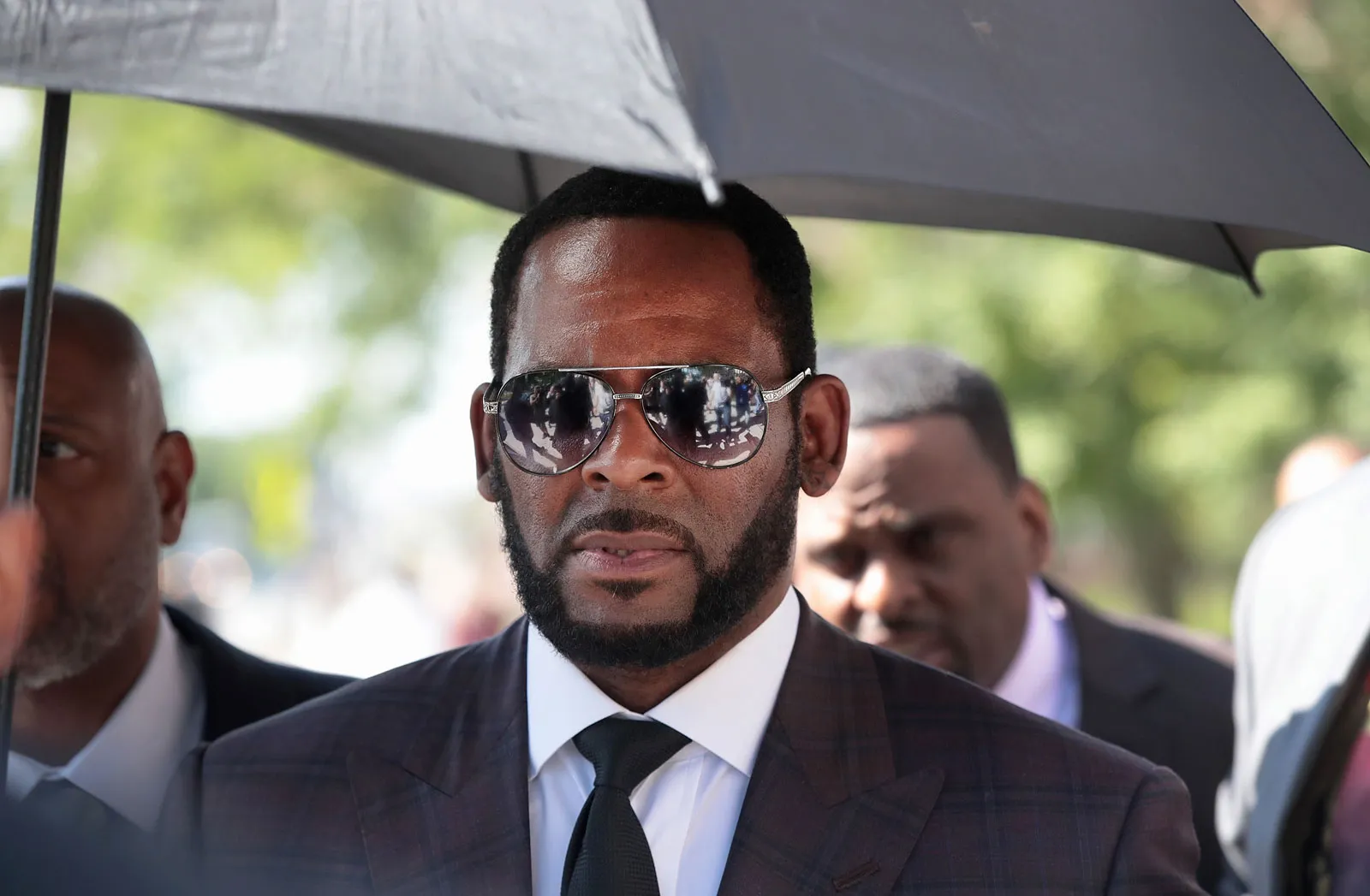
Disgraced R&B superstar R. Kelly, already serving a combined 50 years in federal prison on a series of devastating convictions, now finds himself at the center of yet another institutional crisis, this time over something as seemingly mundane as a phone number written in a notebook.
Kelly, 57, has been placed in the Special Housing Unit, the prison system’s formal designation for solitary confinement, widely known among inmates and correctional staff as “the SHU,” at FCI Butner Medium 1 in North Carolina, while prison officials investigate how a retired warden’s personal cell phone number came to appear in the singer’s personal notebook. The investigation, confirmed by Kelly’s attorney, Beau Brindley, threatens to further complicate the already grim circumstances of Kelly’s incarceration.
According to Brindley, the chain of events that landed his client in isolation began innocuously enough. Kelly had reportedly enrolled in an inmate mentorship program administered at FCI Butner Medium 1, an initiative designed to allow experienced inmates to help guide and counsel newer or more vulnerable members of the prison population. The program, Brindley says, was directly overseen by the facility’s then-warden.
In what would prove to be a consequential gesture, the warden, before his recent retirement from the Bureau of Prisons, provided Kelly with his personal cell phone number. The purpose, according to the attorney, was straightforward: the retired official wanted to remain available to Kelly as an advisory resource should questions arise about continuing the mentorship program after his departure.
“This was not some clandestine arrangement,” Brindley suggested in characterizing the exchange. “The warden himself provided that number for entirely legitimate reasons.”
The situation unraveled when Kelly’s cellmate was found in possession of a mobile phone, a serious rules violation in the federal prison system, where personal mobile devices are strictly classified as contraband. The discovery prompted correctional officers to conduct a thorough search of the shared cell, standard protocol in such circumstances.
It was during that search that investigators discovered Kelly’s notebook, inside which the retired warden’s personal cell phone number had been written. For prison authorities, the mere presence of an outside phone number, particularly one belonging to a former senior official, in proximity to a contraband mobile device raised immediate red flags and set the full machinery of an internal investigation into motion.
Pending the outcome of that investigation, Kelly was transferred to the Special Housing Unit, a segregated section of the facility typically used for disciplinary purposes or protective custody. Life in the SHU is markedly more restrictive than standard incarceration— inmates are confined to their cells for the vast majority of the day, with severely limited access to programming, recreation, and social interaction.
It remains unclear at this stage precisely what prison authorities suspect or whether they believe Kelly was aware of or involved in his cellmate’s contraband phone. Brindley has not indicated that any formal charges have been filed in connection with the incident, and the investigation is described as ongoing.
The Bureau of Prisons has not issued a public statement regarding the matter.
The latest development is but a fresh chapter in an already staggering legal saga for the man born Robert Sylvester Kelly, whose fall from one of the music industry’s most celebrated careers to one of its most notorious criminal cases has been as dramatic as it has been prolonged.
In September 2021, a federal jury in New York found Kelly guilty on all counts in a sweeping racketeering case that exposed decades of alleged sexual abuse, coercion, and exploitation of women and underage girls. He was sentenced to 30 years in federal prison.
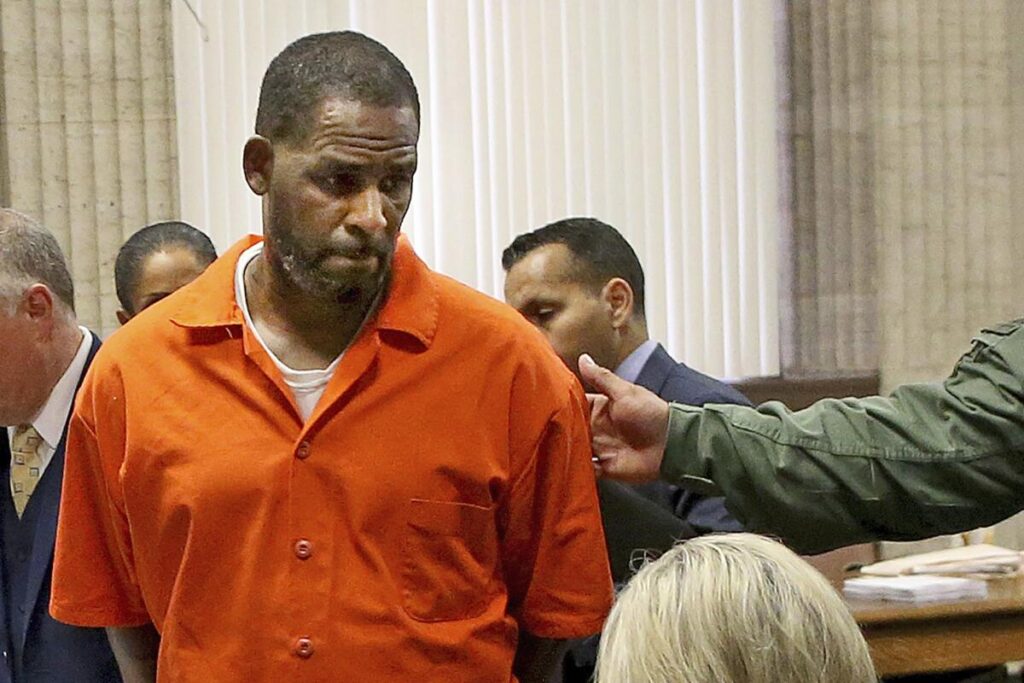
Less than a year later, in June 2022, a federal jury in Chicago delivered a second devastating verdict, convicting Kelly on charges of producing child pornography and enticing a minor to engage in sexual activity. That conviction carried an additional 20-year sentence.
Taken together, Kelly is facing a combined half-century behind bars—a sentence that, given his age, amounts to a de facto life sentence.
WHAT YOU SHOULD KNOW
R. Kelly, already serving a crushing 50-year federal prison sentence for sex trafficking, racketeering, and child pornography convictions, has landed in solitary confinement over a phone number—specifically, a retired warden’s personal cell number found written in his notebook during a contraband search triggered by his cellmate.
While his attorney insists the number was given to Kelly legitimately in connection with a prison mentorship program, authorities are taking no chances. The key takeaway here is simple: for a man whose freedom is already gone, even the most seemingly innocent associations can carry serious consequences behind bars.