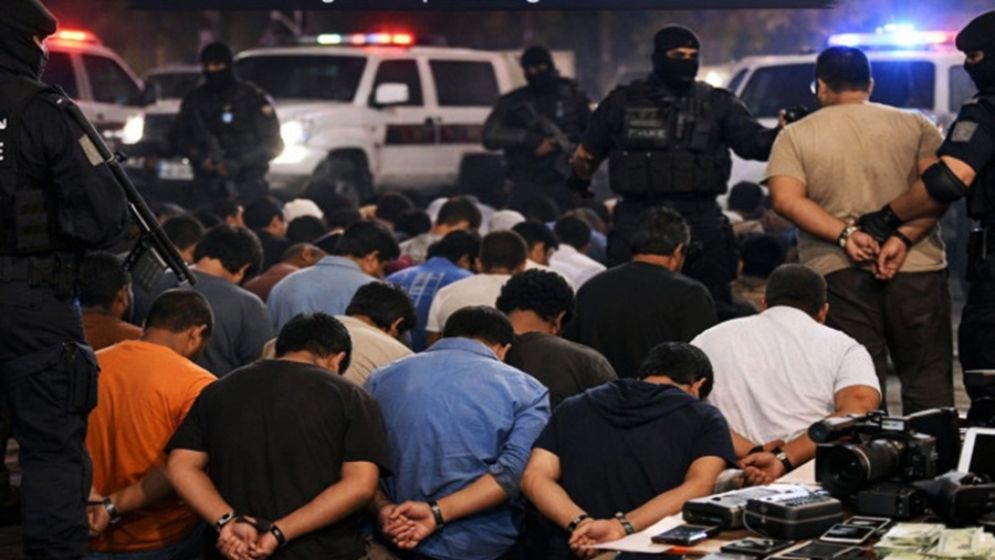
Authorities in Qatar have arrested more than 300 people for sharing images and what officials described as “misleading information” during the recent days of attacks by Iran, the country’s interior ministry announced on Monday.
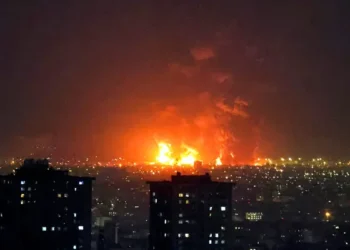
The arrests reflect broader security measures across Gulf countries as Iran continues targeting airports, military bases, energy facilities and residential areas with drones and missile strikes.
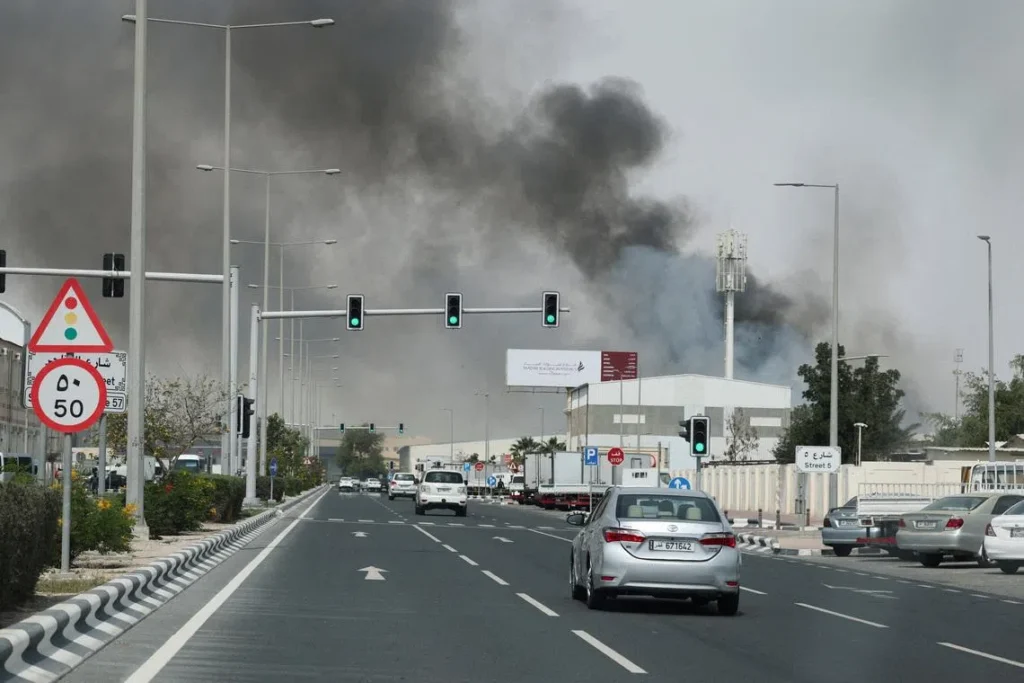
According to a statement from the ministry, those arrested were accused of filming and circulating video clips and publishing misleading information and rumours capable of influencing public opinion.
Officials said the suspects, who are of “various nationalities”, were detained by the Department for Combating Economic and Cyber Crimes under the General Directorate of Criminal Investigations.
The development comes amid similar actions across the Gulf region.
In Bahrain, authorities said on Friday that four people had been arrested for “filming and broadcasting clips about the effects of Iranian attacks and spreading false news.”
Meanwhile, in Kuwait, officials announced on Saturday that three individuals were arrested over a video showing them mocking the situation in the country.
Residents in the United Arab Emirates have also received text message warnings cautioning them about potential legal consequences for sharing sensitive images or reposting unverified information online.
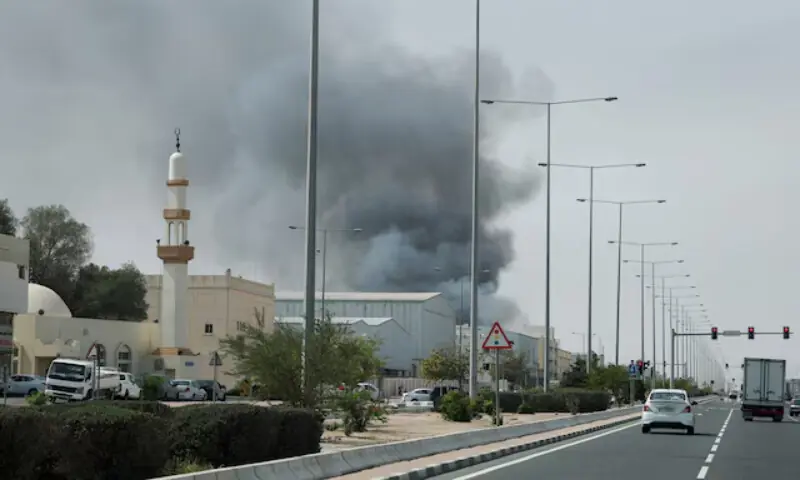
The office of the UAE attorney general further warned against “filming, publishing, or circulating images and videos documenting incident sites or damage caused by falling projectiles or shrapnel,” according to the state-run Emirates News Agency.
Saudi Arabia has issued similar warnings to residents.
Despite these advisories, images of missiles, drones and the aftermath of attacks continue to spread widely across social media platforms and private messaging groups.
What you should know
Gulf countries have tightened control over information sharing during the ongoing regional conflict involving Iran.
Governments argue that restricting the circulation of images and unverified reports helps prevent panic, misinformation and threats to national security. However, such measures have also raised concerns among observers about restrictions on public information and digital expression.
The arrests in Qatar and similar actions in neighbouring states illustrate how authorities across the Gulf are responding to wartime information flows while attempting to maintain public order amid escalating tensions in the region.