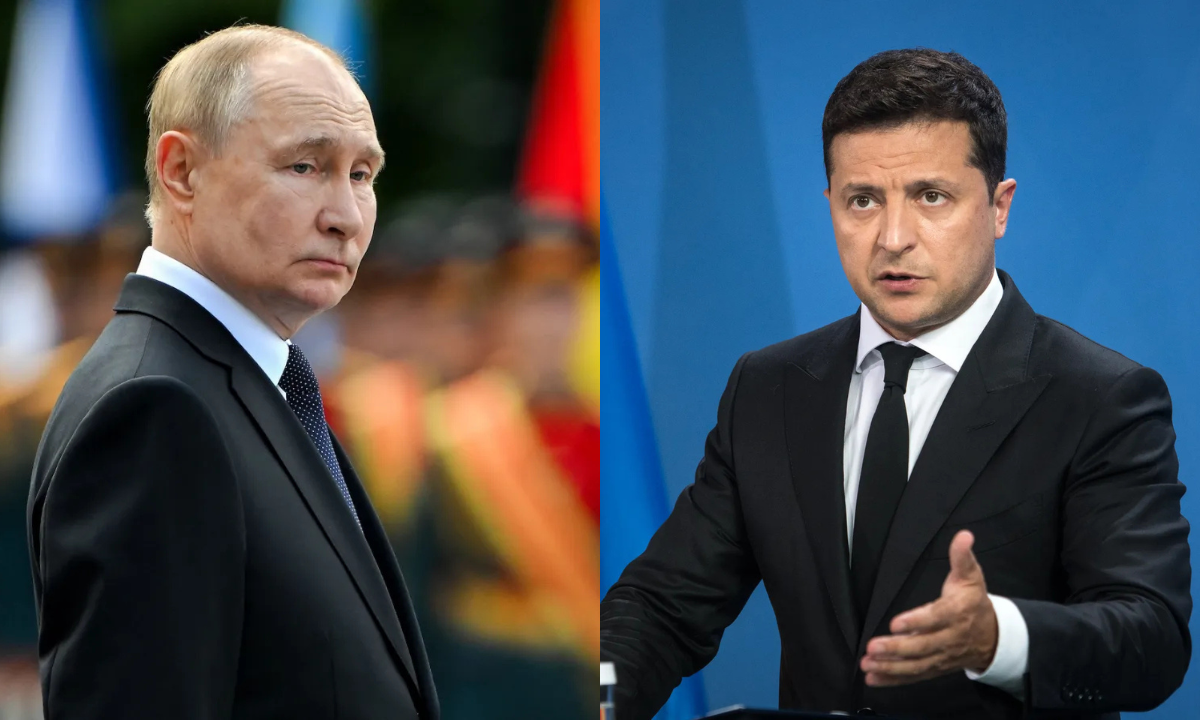
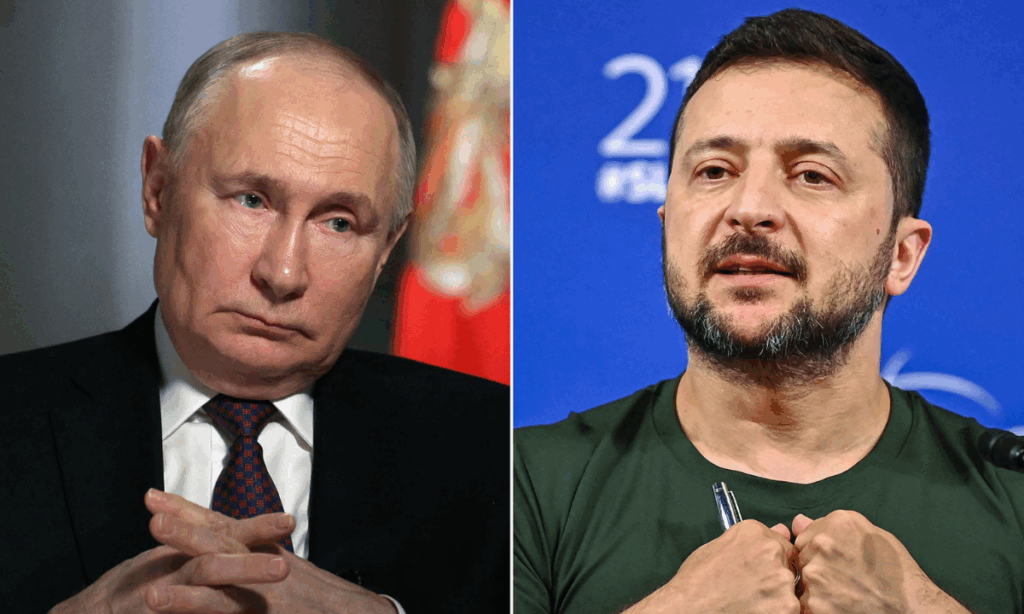
Russian President Vladimir Putin has declared that Moscow will continue its military campaign in Ukraine if no peace deal is reached, even as Ukrainian President Volodymyr Zelensky arrived in Paris for talks with European partners.
French President Emmanuel Macron, who will host a meeting of European leaders on Thursday, said Europe was ready to provide Ukraine with security guarantees once a peace agreement is in place.
Despite several diplomatic moves, including meetings by US President Donald Trump with both Putin and Zelensky last month, progress toward ending the war, now stretching into its fourth year, remains elusive.
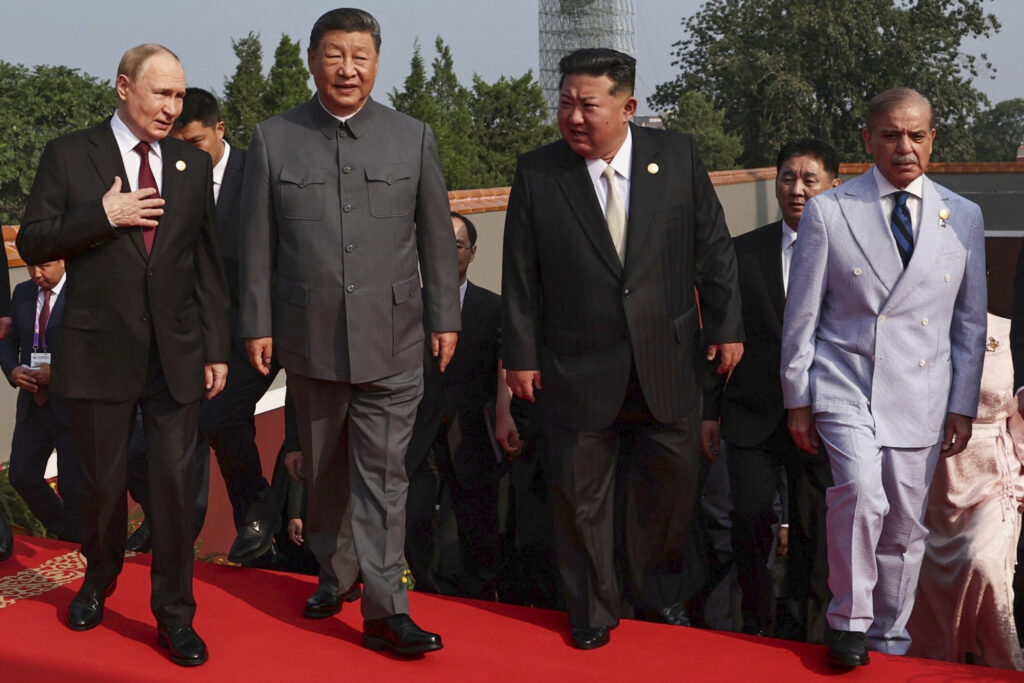
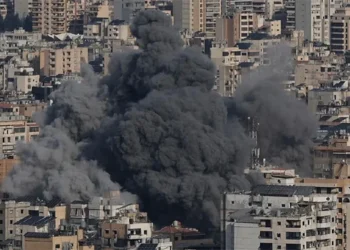
Russian forces intensified their overnight assault, launching more than 500 drones and missiles across Ukraine and leaving nine dead in the frontline town of Kostiantynivka. Putin, speaking in Beijing after attending a military parade with Chinese leader Xi Jinping and North Korea’s Kim Jong Un, praised his troops’ advances.
“Our forces are moving forward on all fronts, and the Ukrainian army has been weakened to the point where it can no longer mount an offensive,” Putin stated. “Let’s see how the situation develops. If there is no peace agreement, then we will have to resolve all our tasks militarily.”
Diplomacy and Security Guarantees
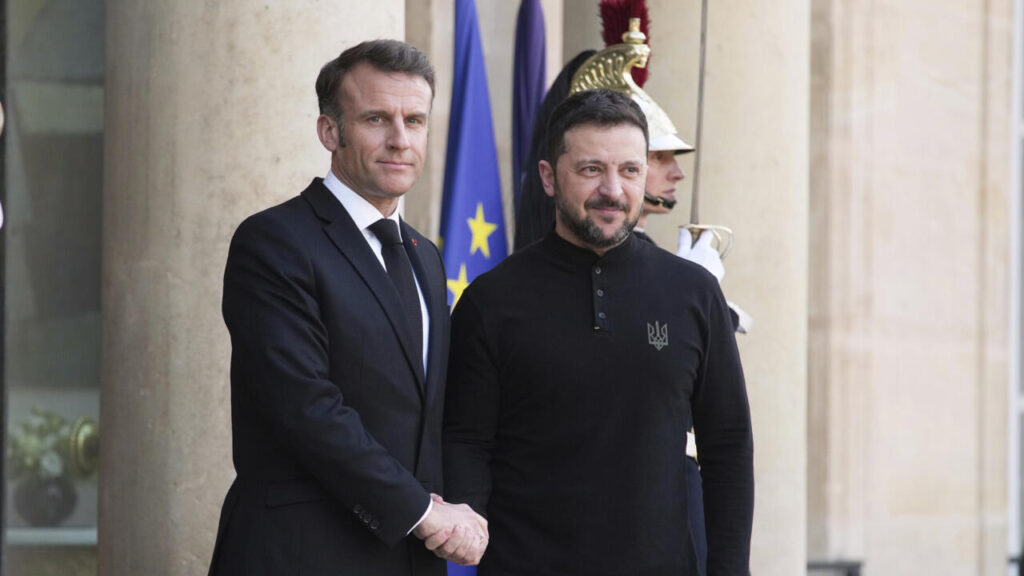
As Zelensky touched down in Paris, he made it clear that Russia had shown no indication of being willing to halt its offensive. The Ukrainian leader is expected to meet European allies who are working on proposals for security guarantees and a potential peacekeeping force in case of a negotiated settlement.
Macron confirmed that preparations for such guarantees had been finalized in a recent defense ministers’ meeting, though he emphasized the details remained “extremely confidential.”
Meanwhile, Trump told reporters in Washington that he would soon be holding direct discussions with Zelensky. “I’m having a conversation with him very shortly and I’ll know pretty much what we’re going to be doing,” he said.
Russia’s Demands and Ukraine’s Response
Earlier Wednesday, Russian Foreign Minister Sergei Lavrov reiterated Moscow’s demand for international recognition of territories it has annexed — including Donetsk, Lugansk, Kherson, Zaporizhzhia, and Crimea.
“For a lasting peace, the new territorial realities must be acknowledged and formalized under international law,” Lavrov declared.
Ukrainian Foreign Minister Andriy Sybiga strongly rejected the demand, describing Russia’s stance as unchanged ultimatums. “Russia has not changed its aggressive goals and shows no signs of readiness for meaningful negotiations,” Sybiga said, calling for tougher sanctions to “sober Moscow up.”
The issue of territorial control remains the central obstacle in stalled peace negotiations. Ukraine has endured years of devastation in its eastern industrial heartland since 2014, when Russia-backed separatists began their campaign following Kyiv’s pro-European revolution.
Frontline Battles and Moscow’s Offer
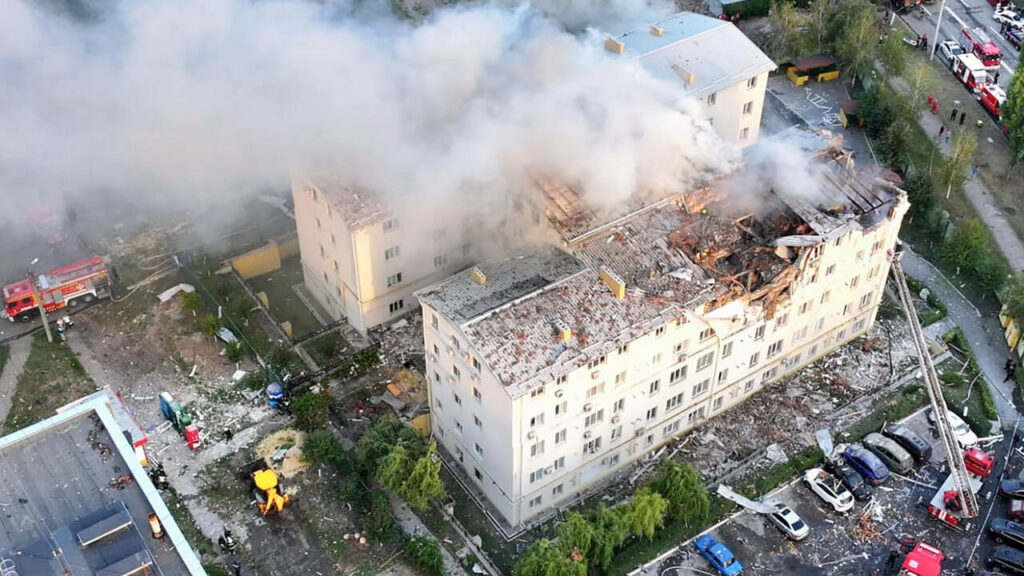
Despite mounting international pressure, Russia has sustained its attacks on Ukrainian cities. Strikes on Kostiantynivka killed nine civilians on Wednesday, underscoring the ongoing human toll of the conflict.
Ukraine has repeatedly called for direct talks between Putin and Zelensky as the only path to breaking the deadlock. However, Putin again dismissed the idea of an immediate meeting, instead suggesting that Zelensky visit Moscow.
“Donald (Trump) asked me for such a meeting, I said: ‘Yes, it’s possible, let Zelensky come to Moscow,’” Putin said.
Kyiv, however, dismissed the invitation as unserious. “Putin continues to mess around with everyone by making knowingly unacceptable proposals,” Sybiga responded, adding that at least seven countries had offered to host genuine negotiations.
What You Should Know
The war in Ukraine has entered its fourth year with no sign of resolution.
While Western allies are pushing for peace talks and exploring security guarantees for Kyiv, Russia remains firm on its territorial claims and continues deadly strikes.
Putin insists the conflict will only end on Moscow’s terms, while Zelensky maintains that meaningful peace requires genuine concessions, not ultimatums.