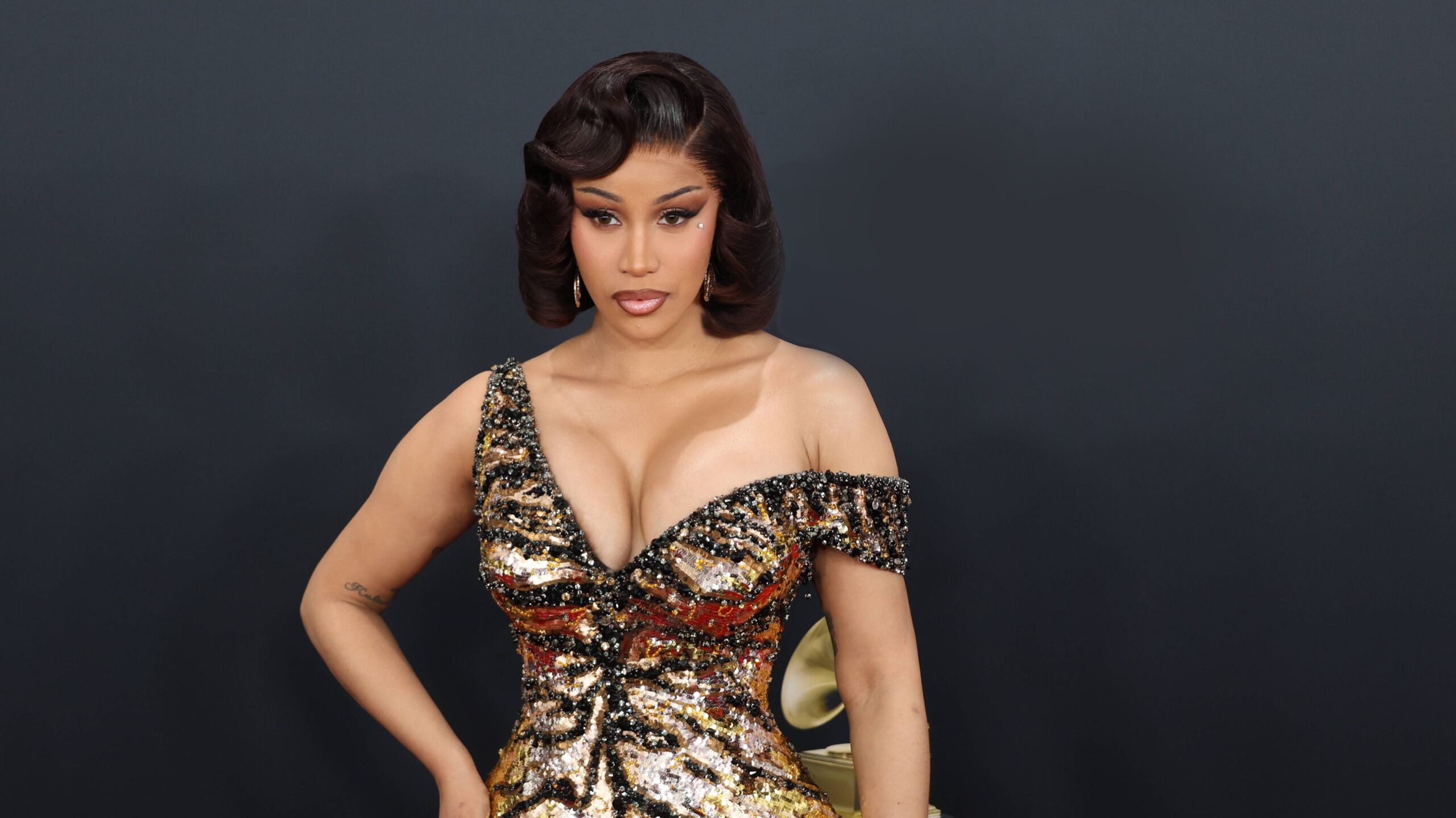
A contentious copyright infringement case involving rap superstar Cardi B has taken a dramatic turn, with music producers now seeking emergency court intervention to halt all commercial activity surrounding her hit single “Enough (Miami)” while litigation proceeds.
The dispute centers on allegations that Cardi B, whose legal name is Belcalis Almánzar, illegally borrowed core musical elements from an obscure 2021 track for what would become one of her most successful recent releases. The case has now escalated beyond typical monetary damages, with plaintiffs seeking to effectively freeze the song’s commercial exploitation entirely.
Joshua Fraustro and Miguel Aguilar, the producers behind rapper Sten Joddi’s 2021 track “Greasy FryBread,” filed their lawsuit last summer, claiming Cardi B lifted the melody and bassline from their work for her March 2024 single “Enough (Miami).” The timing is particularly significant given the commercial success that followed—the disputed track spent 14 weeks on the prestigious Billboard Hot 100 chart, reaching as high as ninth position.
The producers’ legal team, led by attorney Robert Flores, filed a motion for preliminary injunction on August 12, arguing that continued distribution and monetization of the song would cause “irreparable” harm that would be “almost impossible to calculate.” This type of emergency relief is rarely sought in copyright cases and signals the plaintiffs’ belief that immediate action is necessary to preserve their rights.
The legal maneuvering has intensified with the approach of Cardi B’s highly anticipated sophomore album, “Am I the Drama?,” scheduled for release September 19 through Atlantic Records. Fraustro and Aguilar’s legal team claims the album “promotes the song ‘Enough (Miami)’ as its main track” and seeks to prevent its inclusion on the 23-track release.
However, industry sources have cast doubt on these claims. A representative from Atlantic Records told Billboard that there are currently no plans to include “Enough (Miami)” on the upcoming album, suggesting the producers’ concerns about album inclusion may be unfounded.
Cardi B’s legal team, along with representatives from Atlantic Records and parent company Warner Music Group, has mounted an aggressive defense, characterizing the producers’ claims as “utterly meritless.” Their strategy appears focused on attacking the fundamental validity of the lawsuit itself.
Most significantly, the defense argues that Fraustro and Aguilar lack proper copyright registration for “Greasy FryBread”—a potentially fatal flaw that could undermine their entire case. Valid copyright registration is typically required before pursuing infringement claims in federal court, making this a crucial procedural hurdle for the plaintiffs.
The request for preliminary injunctive relief represents a high-risk, high-reward strategy for the producers. If granted, such an order would immediately halt all streaming revenue, performance royalties, and other commercial exploitation of “Enough (Miami)”—potentially costing Cardi B and her label significant income while the case proceeds through the courts.
However, courts are generally reluctant to grant such sweeping relief, particularly when the underlying copyright ownership remains in dispute. The producers must demonstrate not only a likelihood of success on the merits but also that monetary damages would be insufficient to remedy any harm.
This case highlights the ongoing tension in the music industry between artistic inspiration and copyright infringement. As sampling and interpolation remain common practices in hip-hop and popular music, the line between permissible influence and actionable copying continues to generate significant litigation.
The outcome could have broader implications for how courts handle similar disputes, particularly regarding emergency relief measures and the standards for halting commercial exploitation of disputed works.
As both sides prepare for what appears to be a protracted legal battle, the immediate question remains whether a federal judge will agree to effectively silence one of 2024’s notable chart successes while the underlying dispute plays out in court. With Cardi B’s team declining to comment and her album release date approaching, the next few weeks could prove crucial in determining the trajectory of both the legal case and the rapper’s commercial plans.
The case underscores the high-stakes nature of modern music copyright disputes, where a single successful song can generate millions in revenue and a legal victory can reshape an artist’s career trajectory.
WHAT YOU SHOULD KNOW
Music producers are attempting to shut down Cardi B’s hit “Enough (Miami)” through emergency court action, claiming she stole their 2021 song’s melody and bassline. However, their case faces a critical weakness—they may lack proper copyright registration for their original track, which could invalidate their entire lawsuit.
If the court grants their request, Cardi B would be forced to stop streaming and performing the song that reached No. 9 on Billboard while the legal battle continues. The outcome will depend on whether the producers can prove they own the rights to the music they claim was stolen.
This case illustrates how copyright disputes can instantly threaten multi-million dollar hit songs but also shows that proper legal documentation is essential before making infringement claims.