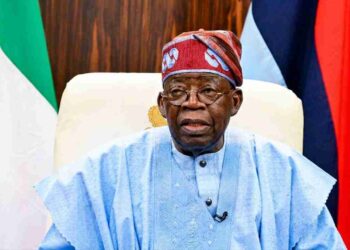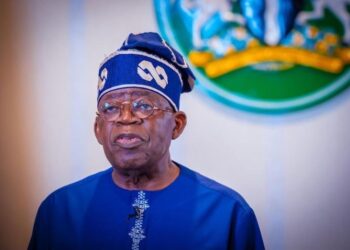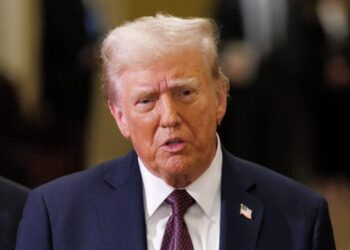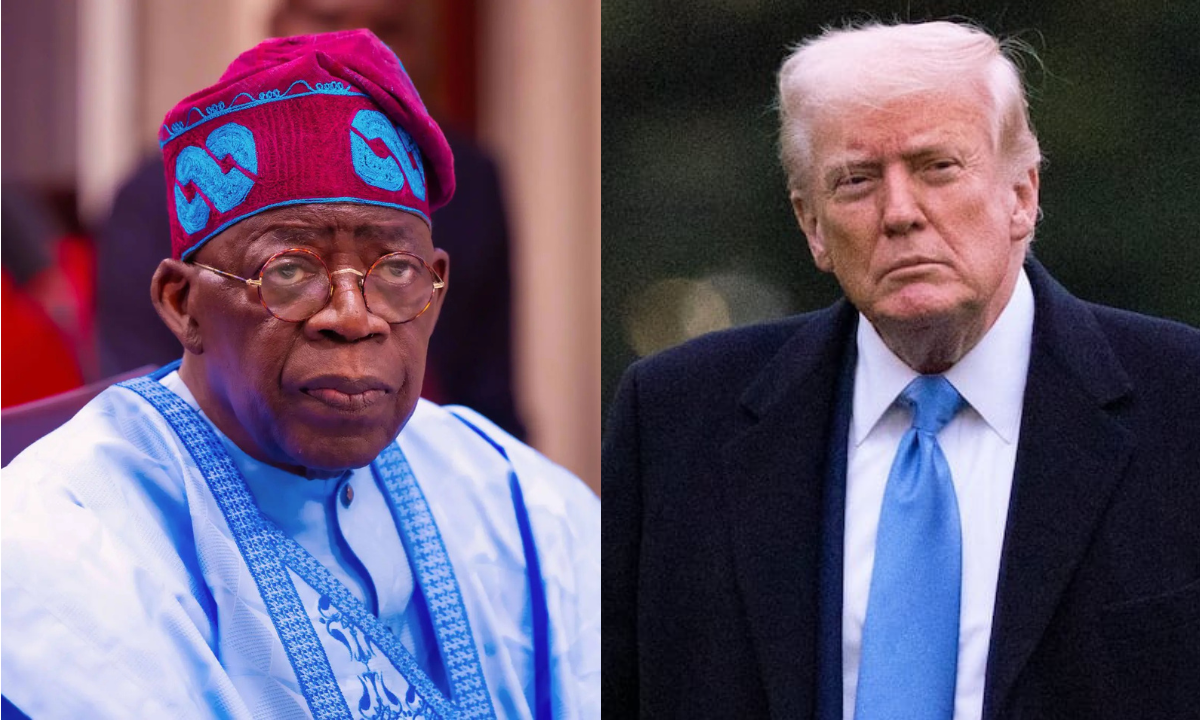
The Presidency says President Bola Tinubu will meet with his American counterpart, Donald Trump, to address recent allegations that Christians in Nigeria are being targeted en masse.
The Special Adviser to the President on Policy Communication, Daniel Bwala, announced on X that the leaders are set to hold discussions “in the coming days.”
Bwala emphasised that both heads of state share a mutual determination to tackle insurgency and terrorism, and he pointed to recent US authorisations for arms sales as a form of support that Nigeria has reportedly deployed effectively. He said those security supplies have been used by the federal government in ongoing counterterror operations, producing what Abuja describes as tangible results.
The aide explained that part of the agenda will be to examine divergent perceptions about whether violent extremists single out Christians or attack people irrespective of their faith. He said the matter of differing views will be discussed and, if necessary, clarified when the two presidents meet, which could take place either at the State House in Abuja or at the White House in Washington.
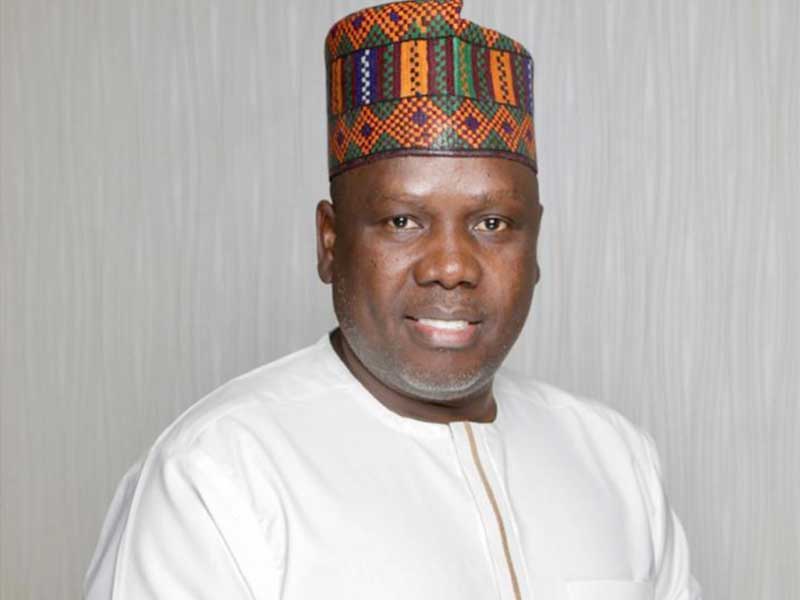
Bwala framed the meeting as an opportunity for direct engagement to reconcile any misunderstandings and to strengthen cooperation against all forms of terrorism. He reiterated that both countries have a shared interest in preventing attacks on civilians and in supporting efforts that stabilise affected communities across Nigeria.
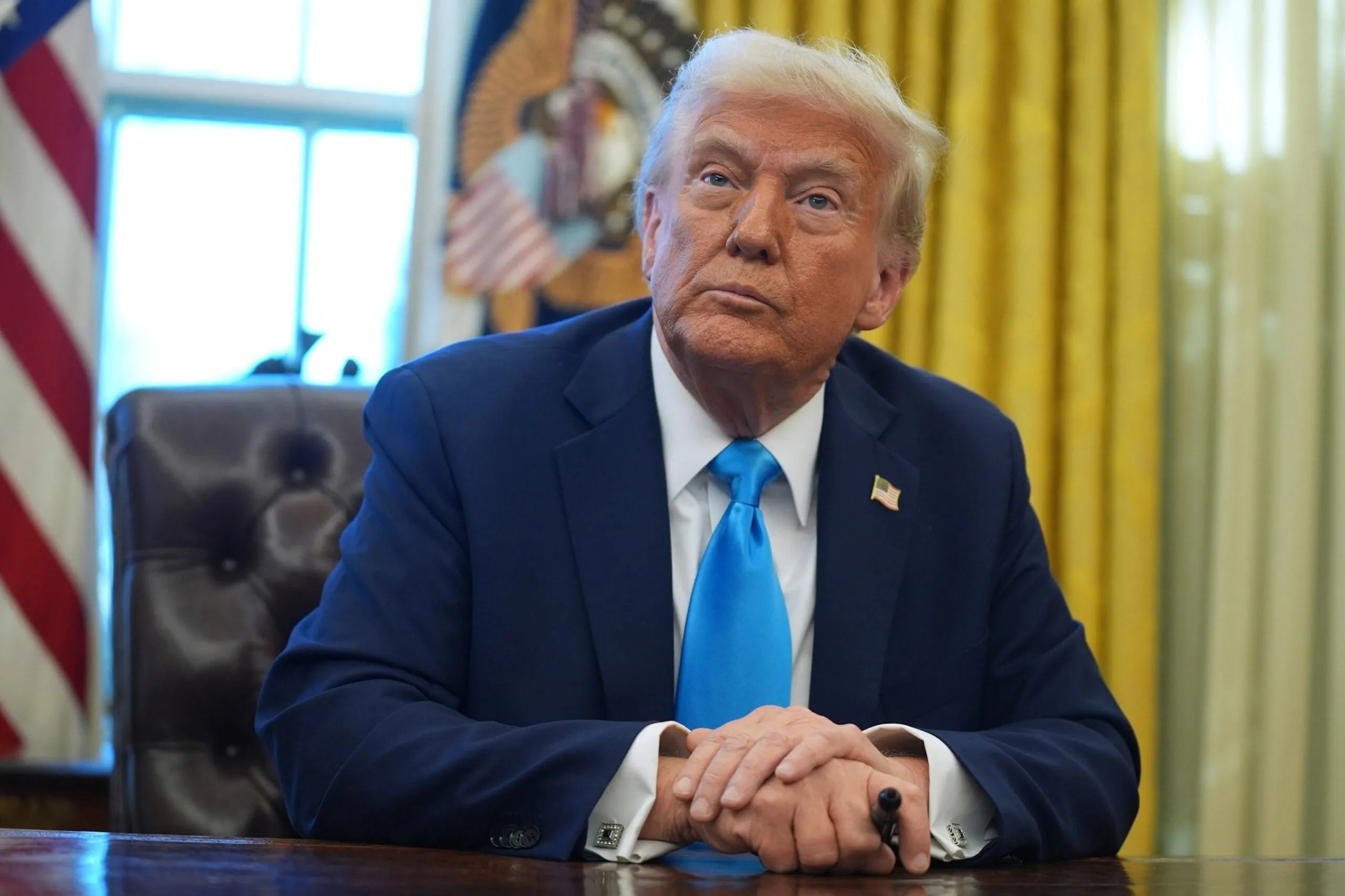
The announcement follows a dramatic and confrontational statement by President Trump on social media the previous day, in which he threatened that the United States would cut off assistance and even consider military intervention if Nigeria did not halt what he described as the killing of Christians. Trump wrote that the US “may very well go into that now disgraced country, ‘guns-a-blazing,’ to completely wipe out the Islamic Terrorists who are committing these horrible atrocities,” without identifying specific groups or incidents.
In the same post, Trump claimed he had instructed what he has recently termed the Department of War to prepare for possible action, adding that any operation would be “fast, vicious, and sweet.” Those comments prompted immediate attention in Abuja, and they helped prompt the Presidency’s decision to pursue direct talks between the two presidents to discuss the substance and implications of the allegations.
The Nigerian government has repeatedly maintained that its security operations target criminals and insurgents irrespective of religion, and officials have often rejected assertions that violence in the country amounts to systematic persecution of a single faith community. The planned meeting is therefore being positioned as a chance to present Nigeria’s security record and to exchange intelligence and perspectives with US counterparts.
Bwala stressed that the bilateral relationship includes cooperation on defence and intelligence, and he described the recent arms approvals as a practical example of the collaboration. He indicated that the visit would seek not only to address political rhetoric but also to deepen operational cooperation where mutual interests exist in defeating violent groups and protecting civilians.
Observers noted that the timing of the engagement is sensitive, coming after sharp rhetoric from Washington and amid heated domestic debate about the scale and nature of communal and extremist violence in parts of Nigeria. The meeting could shape how both countries coordinate responses, including diplomatic messaging, assistance, and joint efforts to curb violent extremism.
Officials in Abuja say they welcome constructive dialogue and reiterated readiness to work with international partners while asserting that any diplomatic exchange should be grounded in verified facts and mutual respect. The Presidency’s statement framed the forthcoming meeting as an attempt to resolve disputes about narrative and facts, and to ensure a common approach to tackling the security challenges affecting Nigeria.
What you should know
The planned Tinubu–Trump meeting aims to defuse a diplomatic crisis sparked by the US president’s stark allegations and threats.
Abuja intends to use the talks to clarify Nigeria’s security posture, underscore that counterterror operations are non-sectarian, and to preserve and potentially deepen bilateral cooperation on arms, intelligence, and counter-extremism efforts.