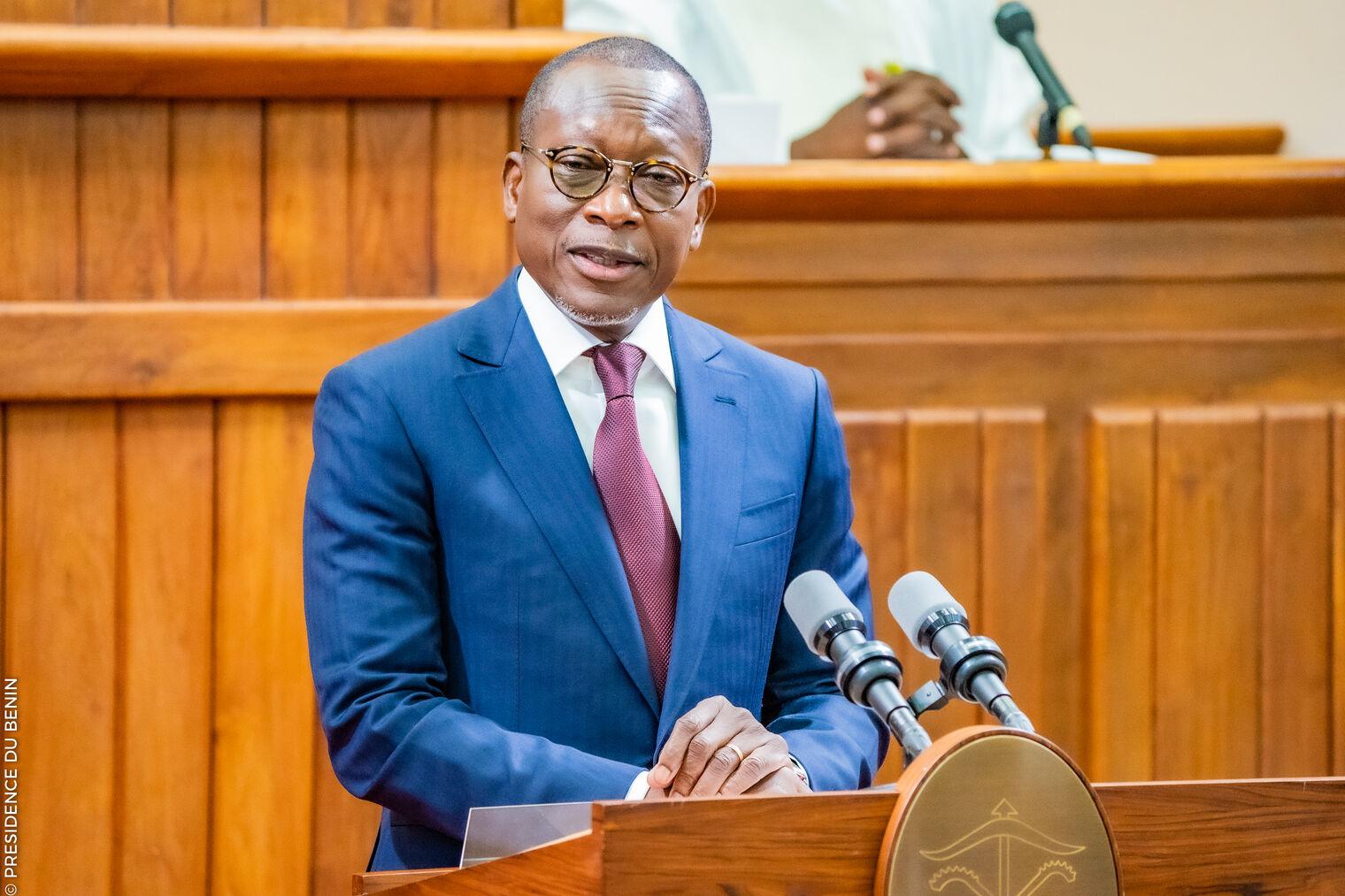
Benin slipped into political uncertainty on Sunday after a group of soldiers announced that they had removed President Patrice Talon from office.
The development, delivered through a nationwide broadcast, marked a dramatic turn in a country preparing for a transition of power next April when Talon was expected to complete his decade in office.
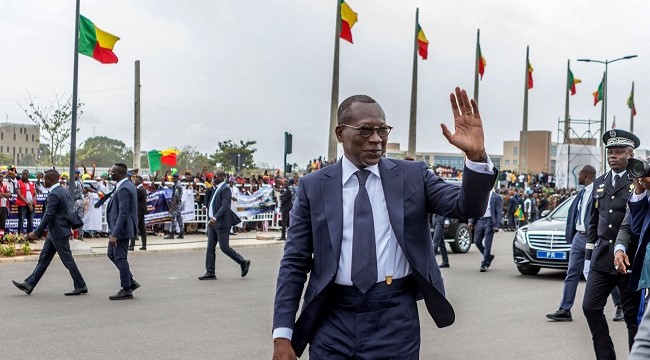
The soldiers, who identified themselves as the “Military Committee for Refoundation” (CMR), appeared on state television to declare that they had convened and reached a decisive conclusion. According to their broadcast, “Mr Patrice Talon is removed from office as president of the republic.” Their statement, delivered with stern composure, signalled a rupture in the political establishment and raised immediate concern about the direction the nation may now take.
As confusion spread across the capital, Talon’s location remained a mystery. Efforts to ascertain his whereabouts yielded no official clarity, and speculation grew in the absence of any counter-statement from the presidency or loyal government officials. The silence further deepened anxiety at a time when stability was already delicate due to the approaching end of Talon’s term.
International observers moved quickly to note the security implications of the unfolding scene. The French Embassy posted a message on X, revealing that “gunfire was reported at Camp Guezo” near Talon’s official residence. The embassy urged French nationals in the country to stay indoors and avoid movement until the situation became clearer. The mention of gunfire near a symbolic seat of power heightened suspicions that the takeover might have been preceded by or accompanied with confrontation.
The events suggest that the military faction acted swiftly, choosing a moment when political tension was simmering. Talon, who has maintained a firm grip on power since 2016, was already navigating heightened domestic criticism and international scrutiny over political freedoms. His planned departure next April had been expected to mark a significant moment for the country, but the sudden announcement by the soldiers has upended that timeline entirely.
For now, the country awaits more information as the CMR positions itself at the centre of national authority. No further details have been provided about the structure of the interim arrangement or whether other military or civilian figures will play a role. While Benin has enjoyed relative stability in comparison to its West African neighbours, the dramatic proclamation has reopened longstanding questions about governance, succession, and the fragility of democratic institutions in the region.
The situation remains fluid, with the military promising more details in due course. The absence of President Talon is likely to dominate the conversation until clarity emerges about whether he is safe, detained, or has managed to leave the capital.
What You Should Know
The sudden announcement by Benin’s “Military Committee for Refoundation” marks a major political rupture in a country long viewed as one of West Africa’s more stable democracies.
President Patrice Talon’s removal comes just months before he was scheduled to leave office voluntarily after ten years in power. His unknown whereabouts and reports of “gunfire” near his residence fuel concerns about possible clashes within the security apparatus.
The unfolding situation places Benin among a growing list of West African nations confronting military intervention, raising significant questions about governance, transition, and regional stability in the months ahead.