Authorities in the United Kingdom have opened investigations into what they described as “abhorrent” racist abuse directed at four footballers who featured in last weekend’s Premier League matches.
The incidents involved Wolves forward Tolu Arokodare and Sunderland midfielder Romaine Mundle, who were targeted online on Sunday. A day earlier, Chelsea defender Wesley Fofana and Burnley midfielder Hannibal Mejbri were also subjected to similar racist attacks following their sides’ 1-1 draw.
Chief Constable Mark Roberts, who leads the UK Football Policing Unit (UKFPU), strongly condemned the incidents while confirming that law enforcement is working to identify those responsible. He said Monday, “There is absolutely no place for racial abuse, either online or in person, and anyone who believes they can hide behind their keyboards should think again.
“The UKFPU condemns this abhorrent behavior, and we will ensure that, through our dedicated team of officers, we do everything possible to identify those responsible and bring them to justice.”
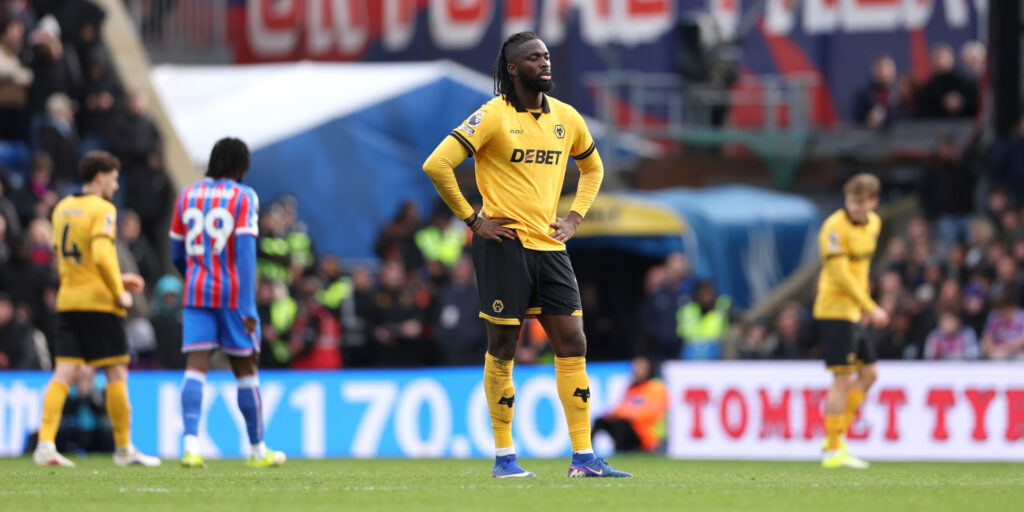
The abuse directed at Arokodare emerged after he failed to convert a penalty during his team’s 1-0 loss at Crystal Palace. Shortly after the match, several social media accounts sent him racist messages.
Sunderland later disclosed that Mundle was similarly targeted after coming off the bench in his club’s 3-1 defeat away to Fulham. The club confirmed that he had been subjected to offensive racial messages online following the match.
The anti-discrimination organisation Kick It Out, which works to tackle racism in football across Britain, released a statement on Sunday night denouncing what it called an “appalling weekend” of abuse. The group expressed frustration that such incidents continue to occur frequently despite repeated campaigns and warnings.
“But the sad fact is, we know it happens regularly,” the statement also said, adding, “Action must follow. Players cannot be expected to tolerate this behaviour, and nor should anyone else.”
The Premier League also responded by issuing its own statement, cautioning that individuals found responsible would face “serious consequences.” The league reiterated its stance against discrimination, stating, “Football is for everyone—there is no room for racism.”

However, Fofana, who has previously made public some of the racist messages sent to his Instagram account, expressed doubt that meaningful consequences would follow. Reacting to the latest wave of abuse, he wrote, “2026, it’s still the same thing, nothing changes.” He added that those responsible rarely face punishment and criticized what he views as a gap between anti-racism campaigns and real accountability.
“You create big campaigns against racism, but nobody actually does anything.”
The issue of online racial abuse in football has increasingly led to legal consequences in recent months. Nigel Dewale, who admitted sending racist messages to England defender Jess Carter during last year’s Women’s European Championship, is scheduled to be sentenced on March 25 after pleading guilty in January to malicious communication.
Beyond England, similar concerns have surfaced in European competitions. UEFA recently initiated an inquiry following allegations by Real Madrid forward Vinicius Junior that he was racially abused on the field by Benfica’s Gianluca Prestianni during a Champions League fixture in Lisbon. Prestianni has denied the accusations.
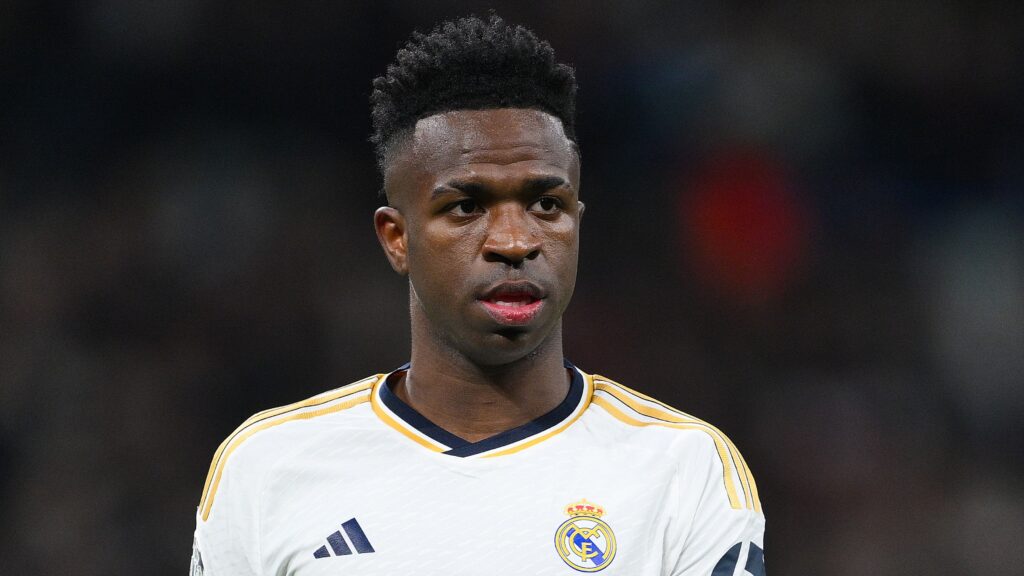
Benfica have also begun their own internal investigation after two supporters were recorded making gestures that appeared to be monkey chants directed at Vinicius during the same match.
The recurrence of such incidents has intensified calls from players, advocacy groups, and football authorities for stronger enforcement measures and more decisive action against offenders, particularly those who exploit social media platforms to direct abuse anonymously.
What You Should Know
Racist abuse in football continues to be a persistent problem despite years of awareness campaigns and institutional pledges to eliminate discrimination from the sport.
UK police have confirmed that investigations are ongoing and have warned that individuals responsible for online abuse can be traced and prosecuted.
Football authorities, including domestic leagues and UEFA, have reiterated their zero-tolerance stance, but players and advocacy organisations are demanding firmer action and more consistent punishment.
Recent criminal cases suggest that courts are increasingly willing to impose legal consequences for online hate speech linked to football.