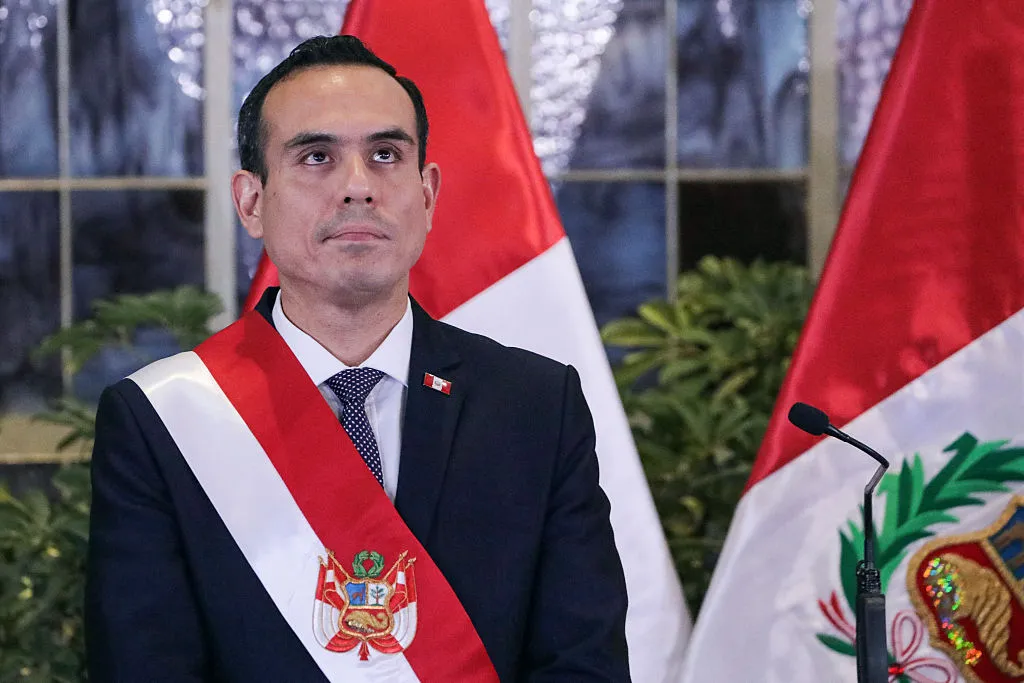
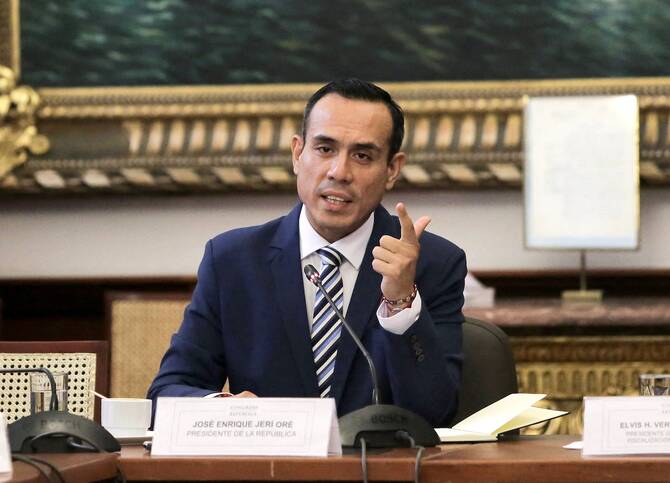
Peru’s Congress on Tuesday voted to remove interim president Jose Jeri from office, marking yet another dramatic leadership change in the politically turbulent South American nation.
Jeri becomes the seventh head of state in just a decade to be forced out, underscoring the country’s prolonged institutional instability and persistent corruption scandals.
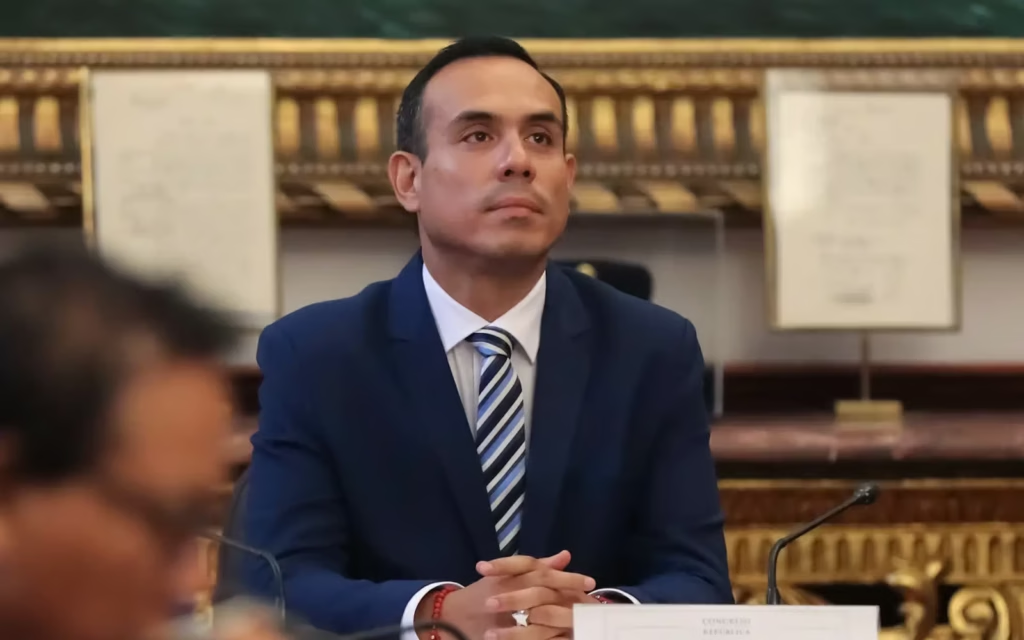
The 39-year-old leader faced allegations linked to irregular government appointments involving several women, as well as suspected corruption tied to a Chinese businessman with commercial interests in Peru. Lawmakers moved to impeach him following mounting public scrutiny and an investigation by prosecutors.
Jeri had assumed office last October after the impeachment of his predecessor, Dina Boluarte, who herself was removed amid widespread protests fueled by corruption accusations and escalating violence associated with organized crime.
His tenure, intended to be temporary, was meant to last until July, when a newly elected president would take office following general elections scheduled for April 12. Under Peru’s constitution, Jeri was prohibited from contesting the upcoming election.
Last week, prosecutors initiated a formal inquiry to determine “whether the head of state exercised undue influence” in government appointments. The probe followed revelations aired by the investigative television program Cuarto Poder, which alleged that five women secured positions in the presidential office and the environment ministry after meeting with Jeri. Prosecutors later indicated that the number of women involved may be as high as nine.
In addition to the hiring controversy, Jeri is being investigated for alleged “illegal sponsorship of interests” related to a private meeting with a Chinese businessman whose enterprises maintain business ties with the Peruvian government. Authorities are examining whether the meeting resulted in improper benefits or influence.
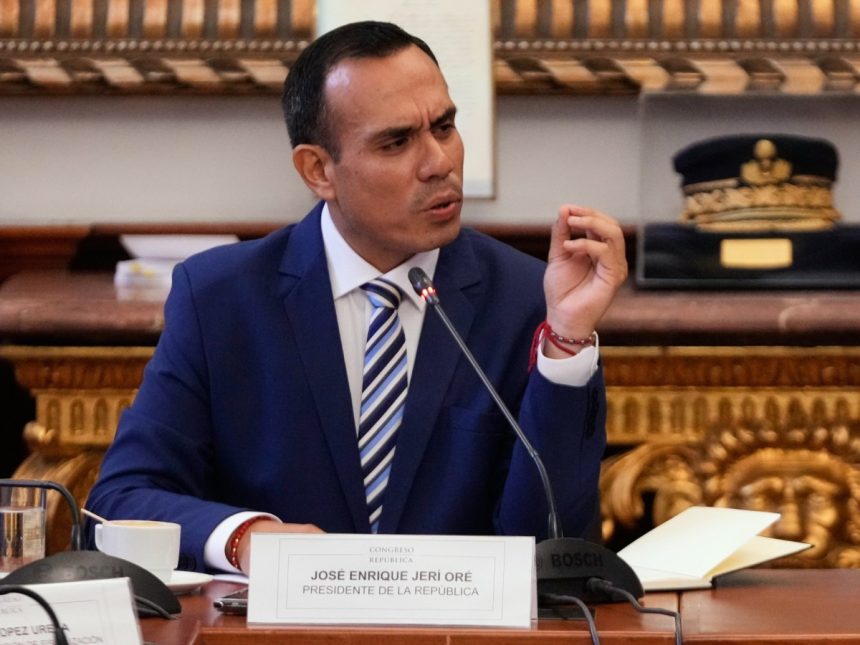
Jeri has denied all allegations, maintaining that he acted lawfully and did not engage in corrupt practices. Nevertheless, the accusations intensified pressure on Congress to act, particularly with national elections only weeks away.
Some political observers have suggested that the impeachment may also reflect maneuvering ahead of the April vote. More than 30 candidates—a record number—are contesting the presidency. Among the most outspoken critics of Jeri has been Rafael Lopez Aliaga of the right-wing Popular Renewal party, who currently leads opinion polls and has repeatedly called for Jeri’s removal.
Following Tuesday’s vote, Congress is expected to elect a new parliamentary leader to replace the current caretaker. Under constitutional rules, the newly chosen president of Congress will automatically assume the role of interim president until July.
Political analyst Augusto Alvarez expressed skepticism about whether Congress can produce a successor with broad public legitimacy. He warned that the legislature itself faces accusations of inefficiency and pervasive corruption, raising concerns about continued instability in the months ahead.
Peru’s political volatility has been striking. Since 2016, the country has cycled through seven presidents, several of whom have faced impeachment, criminal investigations, or convictions. The rapid turnover has eroded public trust in institutions and complicated efforts to address urgent national challenges.
Compounding the political crisis is a surge in violent crime. Peru has been grappling with a wave of extortion that has disproportionately targeted transportation workers. Bus drivers have been attacked, and in some cases shot while driving, when companies refuse to pay protection money to criminal groups.
The scale of the problem has grown dramatically. Over the past two years, reported extortion cases in Peru have increased more than tenfold—rising from 2,396 incidents to over 25,000 in 2025. The combination of political instability and escalating criminal violence has left many Peruvians concerned about governance, security, and economic stability.
As Congress prepares to appoint a new interim leader, the country once again faces uncertainty at the highest levels of power. With elections imminent and public confidence strained, the coming months are likely to test Peru’s democratic institutions and its ability to navigate yet another transition.
What you should know
Jose Jeri has been impeached by Peru’s Congress over allegations of irregular government appointments and suspected corruption involving a Chinese businessman. Prosecutors are investigating whether he improperly influenced hiring decisions that allegedly benefited up to nine women.
His removal marks the seventh time since 2016 that Peru has lost a sitting president to impeachment, investigation, or scandal, highlighting a prolonged institutional crisis that has weakened public trust in political leadership.
Peru is heading into a presidential election scheduled for April 12, with more than 30 candidates competing. The president of Congress will now assume the role of interim head of state until July, when the newly elected president takes office.
The political turmoil coincides with a sharp rise in violent crime, particularly extortion cases, which have surged dramatically in recent years and added further strain to the country’s stability.