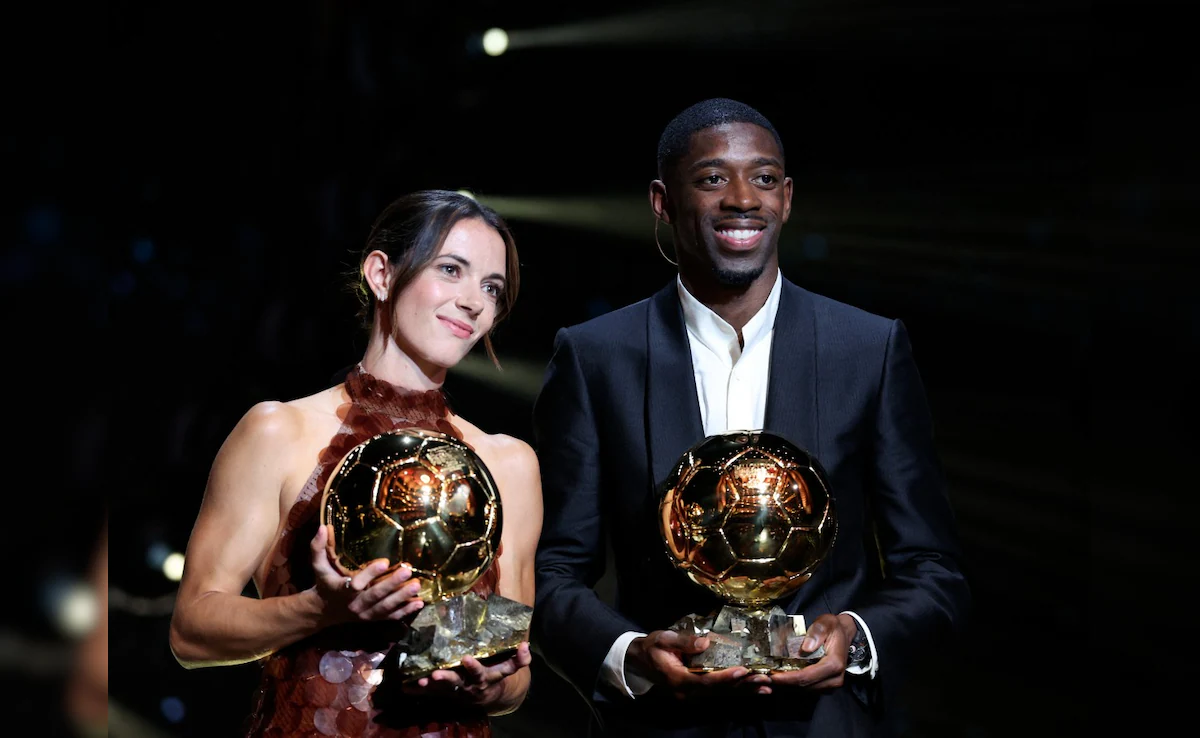
The Théâtre du Châtelet in Paris sparkled on Monday evening as the 2025 Ballon d’Or ceremony brought together football’s brightest stars for a night of glamour, emotion, and career-defining recognition.
The prestigious awards, considered the pinnacle of individual footballing achievement, showcased not only established legends but also the emerging names set to define the game’s future.
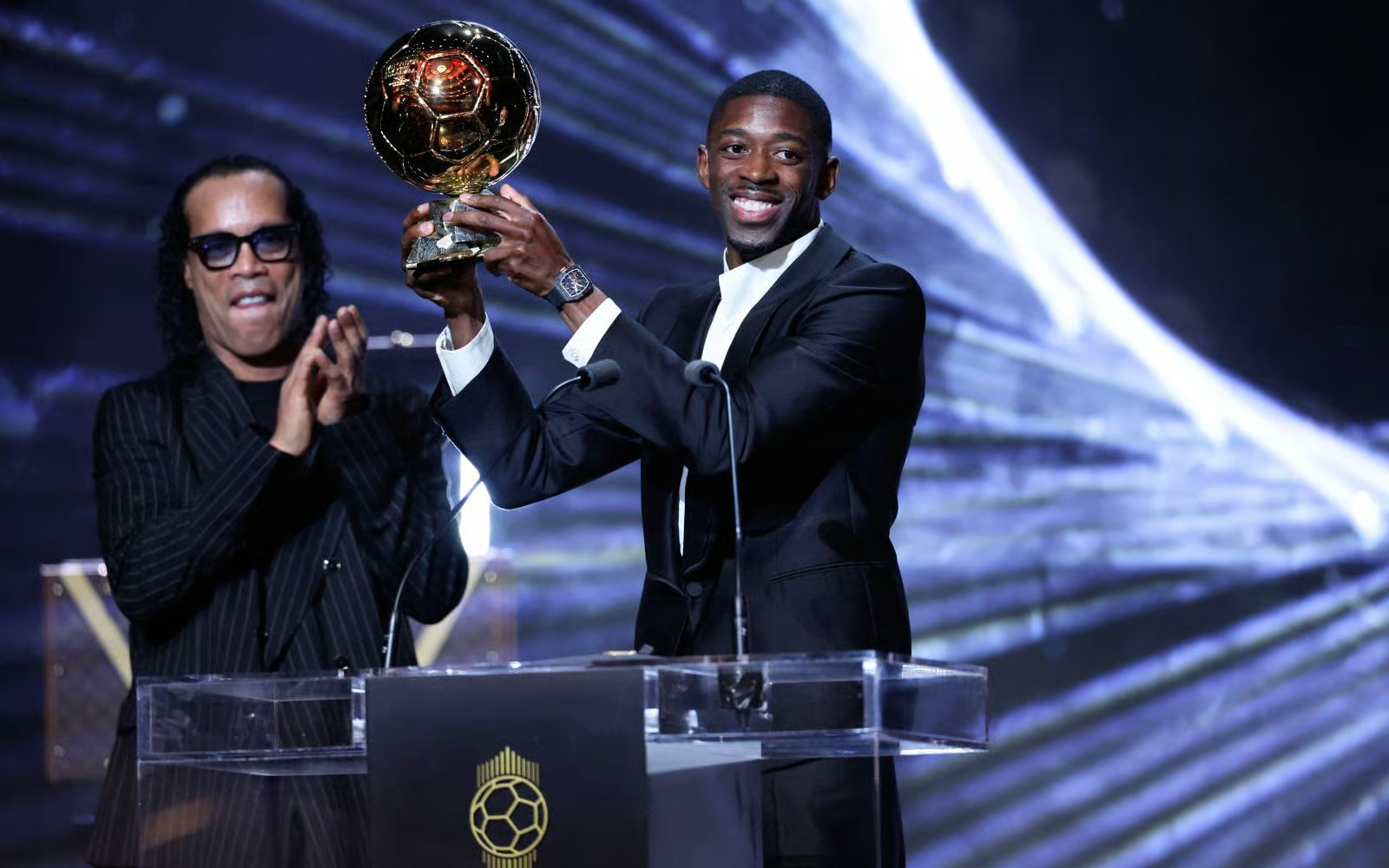
Paris Saint-Germain forward Ousmane Dembélé emerged as the night’s headline act, lifting the Men’s Ballon d’Or for the first time in his career. His triumph capped an outstanding 2024/25 season in which he netted 35 goals and delivered 14 assists, driving PSG to their long-awaited maiden UEFA Champions League crown. The 28-year-old outshone Barcelona prodigy Lamine Yamal, who finished second, and PSG teammate Vitinha, who came in third. For Dembélé, whose career once seemed hindered by inconsistency and injuries during his Barcelona years, the award symbolises both redemption and resurgence.
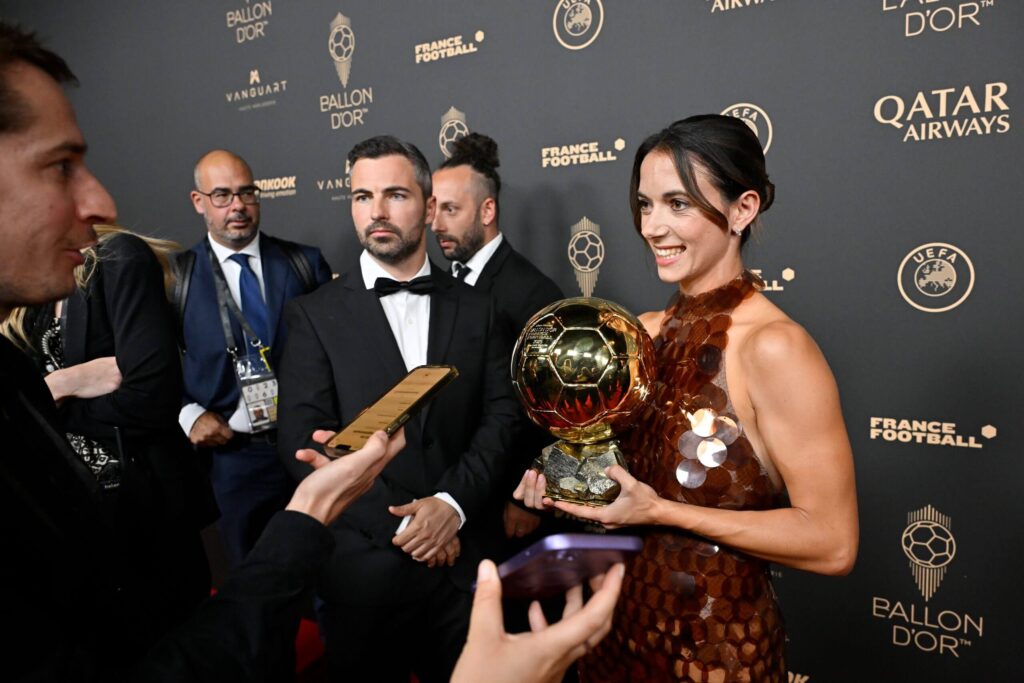
In the women’s category, Barcelona and Spain star Aitana Bonmatí extended her dominance by securing the Women’s Ballon d’Or for the third consecutive year, joining the company of Alexia Putellas as one of the few to win the accolade multiple times. Bonmatí’s consistency on the biggest stages has elevated her as the face of women’s football, further strengthening Barcelona’s reputation as a powerhouse in the women’s game.
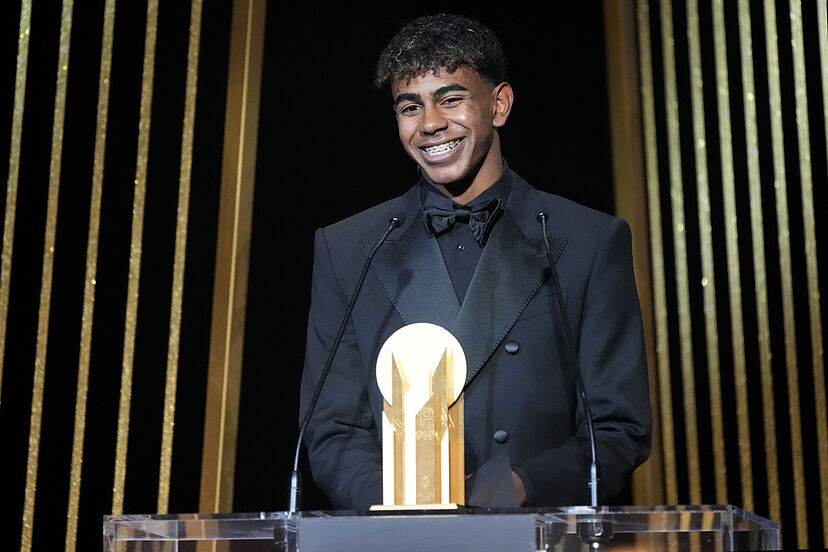
The ceremony also honoured youth brilliance. Barcelona’s Lamine Yamal, already regarded as one of the most gifted young players in world football, retained the Men’s Kopa Trophy for the best male player under 21. In the women’s equivalent, Vicky López, another product of Barcelona’s famed academy, collected the Women’s Kopa Trophy, underlining the Catalan club’s unmatched ability to nurture young talent.
Goalkeepers were not left out of the spotlight. Gianluigi Donnarumma of PSG was crowned with the Men’s Yachine Trophy as the world’s best goalkeeper, his performances central to PSG’s Champions League success. In the women’s category, England and Chelsea shot-stopper Hannah Hampton earned the Women’s Yachine Trophy after her commanding displays throughout the year.
Meanwhile, recognition for lethal finishing came through the Gerd Müller Trophies. Sporting CP’s Viktor Gyökeres picked up the men’s award for his outstanding goal tally across club and country, while Ewa Pajor claimed the women’s version, reaffirming her reputation as one of the deadliest forwards in world football.
Clubs were also recognised for their collective achievements. PSG took home the Men’s Club of the Year award, a reflection of their long-awaited breakthrough in Europe, while Arsenal’s women’s team earned the Women’s Club of the Year after clinching the Women’s Champions League. On the sidelines, coaching excellence was acknowledged with Luis Enrique named Men’s Coach of the Year for masterminding PSG’s campaign, and Sarina Wiegman honoured as Women’s Coach of the Year for her continued success with England.
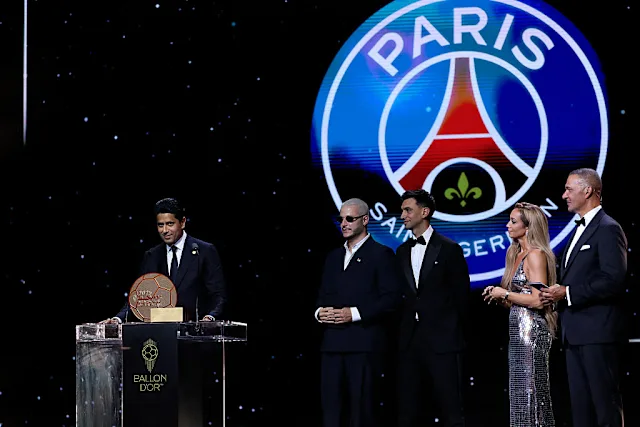
The evening closed with Paris Saint-Germain emerging as the biggest winners, their dominance across categories reinforcing their place at the centre of world football’s elite conversation. The ceremony, as much about legacy as it was about immediate success, celebrated a unique blend of youth, resilience, and history-making feats.
What you should know
The 2025 Ballon d’Or ceremony was a defining night for football, with Ousmane Dembélé’s resurgence marking one of the sport’s most compelling redemption arcs and Aitana Bonmatí’s third straight win confirming her status as a modern icon.
PSG’s sweeping success across individual and team categories underlined their new dominance, while Barcelona’s youth pipeline, highlighted by Yamal and López, reminded the football world that the next generation of stars is already here.
This year’s awards encapsulated football’s balance between legacy, breakthrough moments, and the shaping of a new era.