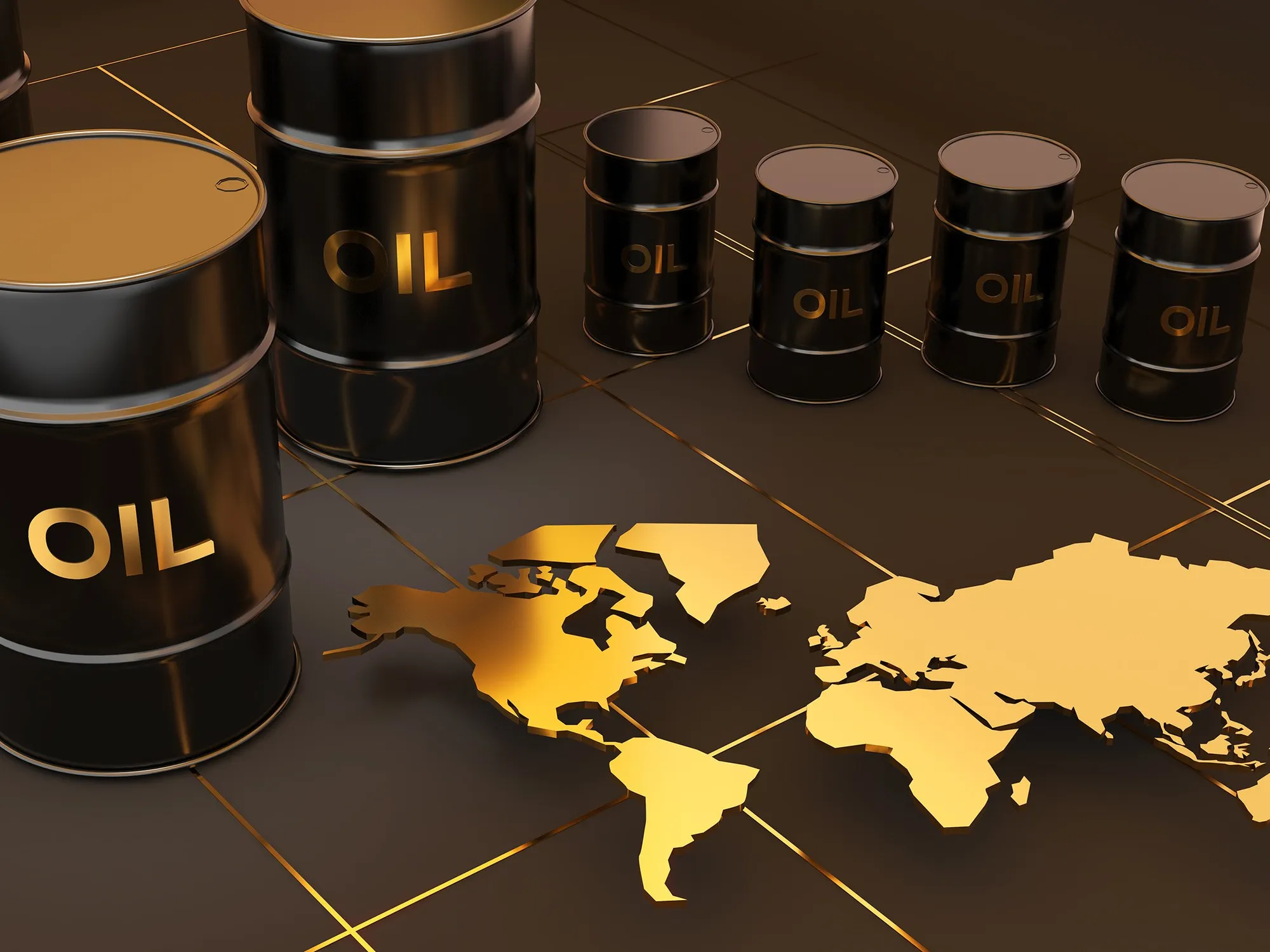
Oil markets posted solid gains on Tuesday, with Brent crude advancing 0.8% to $66.55 per barrel and West Texas Intermediate rising 0.9% to $62.80, as investors digested a confluence of supply-side developments that signal tighter market conditions ahead.
The rally was primarily driven by OPEC+’s unexpectedly modest production increase announced over the weekend, which saw eight member nations commit to raising output by just 137,000 barrels per day starting in October. This figure represents a sharp deceleration from the group’s recent production hikes of approximately 550,000 barrels per day implemented in both August and September.
Supply Constraints Drive Market Optimism
Market analysts are interpreting the reduced production increase as evidence that OPEC+ is exercising greater caution in returning barrels to an already well-supplied market. Ole Hansen, commodity strategist at Saxo Bank, noted that prices are “holding up amid speculation that production will not rise by the amount the eight members have allowed themselves,” highlighting growing skepticism about whether the cartel will follow through on even these modest increases.
Adding to supply-side concerns is the dramatic reduction in OPEC+’s spare production capacity—a critical buffer that allows the group to respond to unexpected supply disruptions. Giovanni Staunovo of UBS emphasized that this diminished spare capacity “limits the group’s ability to cover for sudden supply shocks and tends to support prices.”
Chinese Demand Provides Sustained Support
China’s continued strategic petroleum stockpiling has emerged as a key pillar supporting global oil demand. Hansen highlighted that Chinese purchasing has remained robust at “around 0.5 million barrels per day towards stockpiling,” a trend that has helped absorb excess global production throughout 2024.
This demand pattern appears set to continue, with commodity trading house Gunvor’s chief strategist indicating Monday that China’s stockpiling activities are likely to maintain a similar pace through 2026. This sustained appetite from the world’s largest oil importer provides a crucial demand floor at a time when other major economies are grappling with slower growth.
Geopolitical Tensions Add Risk Premium
The market is also factoring in heightened geopolitical risks following Russia’s largest aerial assault on Ukraine, which resulted in a government building in Kyiv catching fire. President Trump’s indication that he is “ready to move to a second phase of restrictions” has fueled speculation about additional sanctions targeting Russian energy exports.
Such measures would further constrain Russia’s ability to supply global oil markets, potentially removing significant volumes from an already tightening supply picture. Russia remains a major global oil producer despite existing sanctions, and any additional restrictions would likely provide further upward pressure on prices.
Federal Reserve Policy Adds Macro Support
Looking ahead, oil markets are also drawing support from expectations surrounding Federal Reserve monetary policy. With the central bank set to meet next week, traders are positioning for potential interest rate cuts that would reduce borrowing costs and potentially stimulate economic growth.
Lower interest rates typically boost demand for commodities like oil by making economic expansion more attractive and reducing the opportunity cost of holding non-yielding assets. This monetary policy backdrop provides an additional tailwind for oil prices beyond the immediate supply and demand fundamentals.
Market Outlook
The convergence of these factors—restrained OPEC+ production increases, sustained Chinese demand, geopolitical supply risks, and supportive monetary policy expectations—suggests oil markets may be entering a period of greater price support after months of relative weakness.
However, traders remain cautious about the sustainability of these gains, particularly given ongoing concerns about global economic growth and the potential for OPEC+ to reverse course if prices rise too rapidly. The market’s focus will likely remain on actual production data from OPEC+ members and any developments in U.S.-Russia relations that could affect energy sanctions.
As of midday GMT Tuesday, oil prices appeared to be consolidating their gains, with traders awaiting further clarity on both geopolitical developments and next week’s Federal Reserve meeting.
WHAT YOU SHOULD KNOW
Oil prices rose Tuesday to $66.55 (Brent) and $62.80 (WTI) due to three critical factors: OPEC+ announced a much smaller production increase than expected (137,000 bpd vs. the previous 550,000 bpd increases), China continues aggressive oil stockpiling at 500,000 barrels daily, and potential new U.S. sanctions on Russia threaten to further reduce global supply.