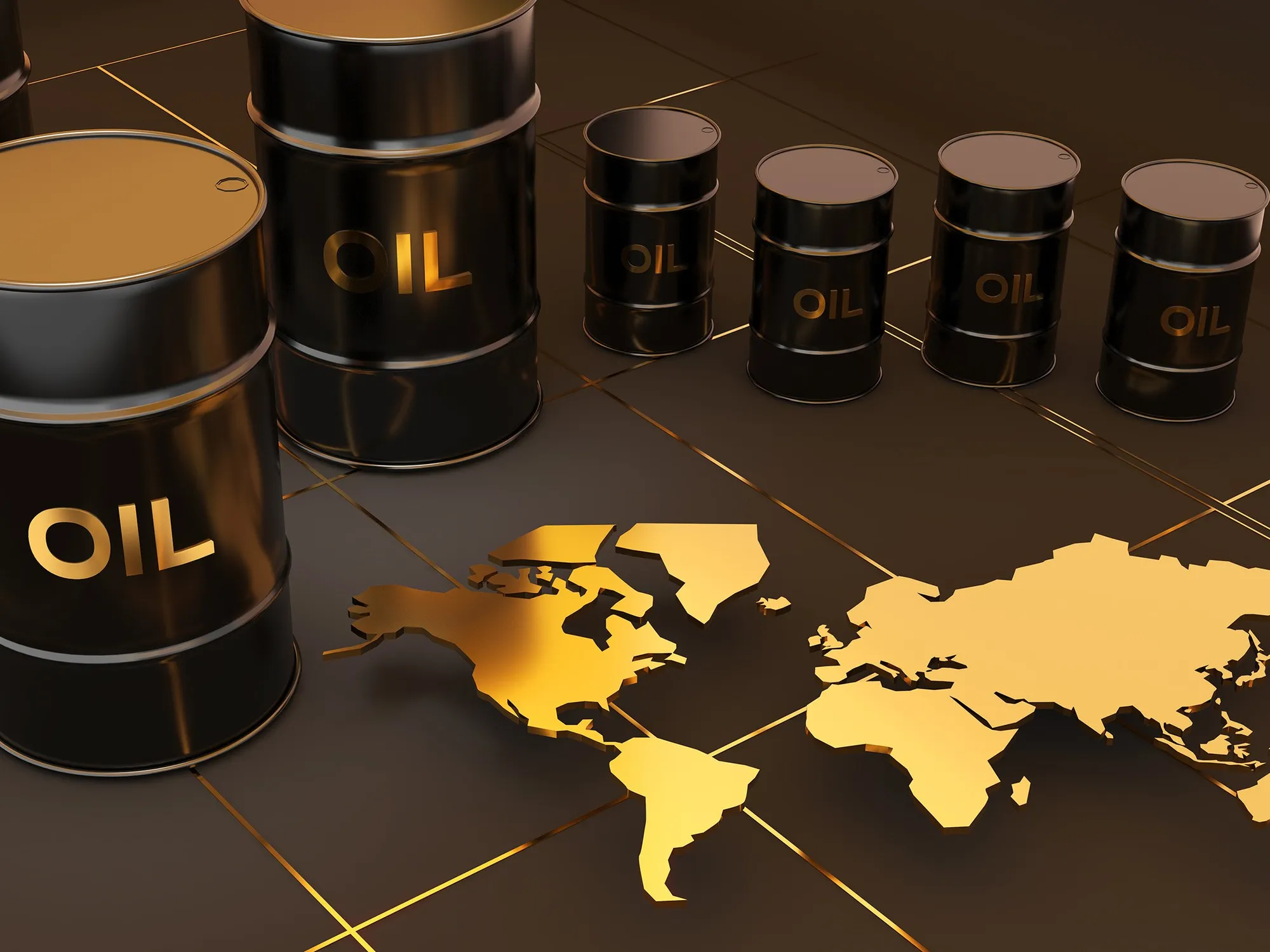
Oil prices deepened their slide on Tuesday, with traders bracing for another production increase from OPEC+ while absorbing the impact of renewed crude exports from Iraq’s Kurdistan region, developments that have amplified concerns about an impending supply surplus.
By early afternoon London time, Brent crude futures for November delivery had fallen $1.03, or 1.5%, to $66.94 a barrel. The U.S. benchmark West Texas Intermediate fared worse, dropping $1.24, or 2%, to $62.21 a barrel at 1211 GMT.
The Tuesday selloff builds on Monday’s sharp retreat, when both benchmarks plunged more than 3% — their steepest single-day declines since early August — signaling growing unease among market participants about the balance between supply and demand.
OPEC+ Set to Open Taps Further
Market anxiety intensified following signals from sources within the Organization of the Petroleum Exporting Countries and its allies, collectively known as OPEC+, that the cartel is preparing to authorize another production increase at its scheduled meeting on Sunday.
Three sources familiar with the discussions indicated the group will likely greenlight an output hike of at least 137,000 barrels per day. Investment banking giant Goldman Sachs weighed in Tuesday with its own forecast, projecting OPEC+ will raise production quotas by 140,000 barrels daily for November.
“Selling pressure intensified as OPEC+ sources hinted at another output hike, after prices declined following the resumption of Iraq’s Kurdistan region’s crude oil exports via Turkey,” explained Tamas Varga, analyst at London-based oil brokerage PVM.
Kurdish Exports Resume After Two-Year Hiatus
Adding to supply-side pressures, crude oil began flowing Saturday through a pipeline linking Iraq’s semi-autonomous Kurdistan region to Turkey for the first time in two-and-a-half years. The breakthrough followed an interim agreement that resolved a protracted dispute, according to Iraq’s oil ministry.
The resumption of these exports introduces additional barrels into an already well-supplied market, reinforcing trader expectations that supply will outpace demand in the near term.
Balancing Act: Geopolitics Versus Fundamentals
In recent weeks, the oil market has performed a precarious balancing act, weighing supply disruption risks — particularly from Ukrainian drone strikes targeting Russian refining infrastructure — against mounting evidence of oversupply and lackluster demand.
On the geopolitical front, developments in the Middle East continue to command attention. U.S. President Donald Trump secured Israeli Prime Minister Benjamin Netanyahu’s backing for a U.S.-brokered Gaza peace proposal, though Hamas’s position on the plan remains unclear.
Should a comprehensive Gaza peace agreement materialize, Varga noted, the normalization of shipping traffic through the vital Suez Canal could strip away a substantial portion of the geopolitical risk premium currently embedded in oil prices.
Additional Headwinds
Bearish sentiment received further reinforcement from domestic U.S. political uncertainties. ANZ analysts highlighted Tuesday that the looming threat of a U.S. government shutdown has raised fresh concerns about potential demand destruction in the world’s largest oil-consuming nation.
As markets digest these multiple crosscurrents, the fundamental picture appears increasingly tilted toward oversupply, with producer discipline facing its latest test against a backdrop of tepid global demand growth and persistent economic uncertainties.
WHAT YOU SHOULD KNOW
Oil prices are under significant pressure due to a perfect storm of oversupply concerns. OPEC+ is poised to increase production by roughly 140,000 barrels per day at Sunday’s meeting, while Iraq’s Kurdistan region has just resumed exports after a 2.5-year halt—adding thousands more barrels to an already saturated market.
With crude dropping over 3% on Monday and extending losses on Tuesday (Brent at $66.94, WTI at $62.21), the market’s message is clear: supply is outpacing demand, and even geopolitical tensions in the Middle East and Ukraine aren’t enough to offset the fundamental reality of too much oil chasing too few buyers.
Unless demand picks up dramatically or producers reverse course, expect continued downward pressure on prices.