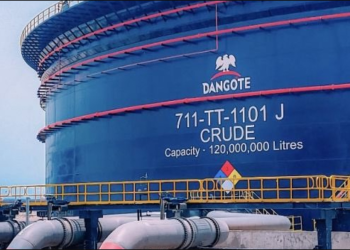
Oil prices surrendered early gains in Asian trading on Thursday, falling back from their strongest levels in nearly two months as market participants began positioning for the traditionally weaker winter demand period and the imminent return of Kurdish crude supplies to global markets.
Brent crude futures, the international benchmark, declined 19 cents to $69.12 per barrel by 0637 GMT, while West Texas Intermediate crude dropped 22 cents to $64.77 per barrel. Both contracts registered modest declines of 0.3%, marking a notable shift in sentiment after Wednesday’s robust rally that pushed both benchmarks to seven-week peaks.
The pullback comes after a dramatic surge on Wednesday that saw both oil contracts gain 2.5%, reaching their highest levels since August 1. That rally was fueled by an unexpected drawdown in U.S. crude inventories and escalating concerns over potential supply disruptions as Ukraine intensified attacks on Russian energy infrastructure.
However, market dynamics appear to be shifting as traders reassess the fundamental supply-demand balance heading into the final quarter of the year. Energy analysts are increasingly vocal about the seasonal headwinds facing crude prices as the Northern Hemisphere transitions into winter months, traditionally associated with lower fuel consumption.
“Oil prices are hovering above our expectations,” noted Suvro Sarkar, energy sector team lead at DBS Bank. “We would expect profit-taking to emerge at current levels and oil prices to slowly moderate hereon as we enter the slower winter demand season.”
A significant development weighing on market sentiment is the anticipated resumption of oil exports from Iraqi Kurdistan, which could add substantial volumes to an already well-supplied global market. Eight international oil companies reached a breakthrough agreement on Wednesday with both Iraq’s federal government and the Kurdish Regional Government to restart exports that have been suspended for months due to political disputes.
The return of these supplies has reignited concerns about potential oversupply conditions, particularly as seasonal demand patterns typically weaken during winter months. Priyanka Sachdeva, senior market analyst at Phillip Nova, highlighted this dynamic: “The return of Kurdish supplies adds back fears of an oversupply narrative, propelling a pullback in prices that hover near a seven-week high.”
Industry sources suggest the Kurdish oil flows could resume within days, potentially adding hundreds of thousands of barrels per day to global supply just as demand traditionally begins its seasonal decline.
Adding to bearish sentiment are emerging signs that fuel demand growth is moderating across key consumption centers. J.P. Morgan analysts released data Wednesday showing U.S. air passenger throughput for September increased by a modest 0.2% year-over-year, representing a sharp deceleration from the robust 1% monthly growth rates recorded in July and August.
This travel demand softening is already translating into weaker gasoline consumption patterns. “Likewise, U.S. gasoline demand has started to pull back, mirroring the broader moderation in travel trends,” the J.P. Morgan analysts observed, suggesting the peak summer driving season’s conclusion is having tangible impacts on fuel consumption.
Despite the current pullback, some analysts question whether oil prices have fully adjusted to underlying market fundamentals. Haitong Securities noted in a research report that crude prices have shown remarkable resilience despite the absence of significant supply-demand tightness in recent weeks.
“As the peak demand season gradually ends, prices have yet to reflect expectations of mounting oversupply pressures,” the securities firm observed, suggesting further downward pressure could emerge as seasonal patterns assert themselves.
The geopolitical risk premium that helped drive Wednesday’s rally—stemming from Ukraine’s attacks on Russian energy facilities—remains a wildcard factor. While these concerns provided temporary support, market participants appear increasingly focused on the structural supply-demand balance as they position for the months ahead.
As traders navigate between geopolitical uncertainties and fundamental market dynamics, the oil complex finds itself at a critical juncture where seasonal demand patterns and supply additions could determine the next directional move in crude prices.
WHAT YOU SHOULD KNOW
Oil prices retreated from seven-week highs as markets shifted focus from geopolitical concerns to fundamental supply-demand realities. The main drivers behind the pullback are the approaching winter season’s weaker fuel demand and the imminent return of Kurdish oil supplies, which could add significant volumes to an already well-supplied market.
Early signs of demand softening—including slower U.S. air travel growth and declining gasoline consumption—suggest oil prices may have gotten ahead of themselves. With peak summer demand season ending and more supply coming online, the market appears to be positioning for a period of oversupply that could pressure prices lower in the coming months.