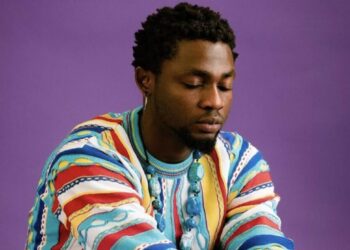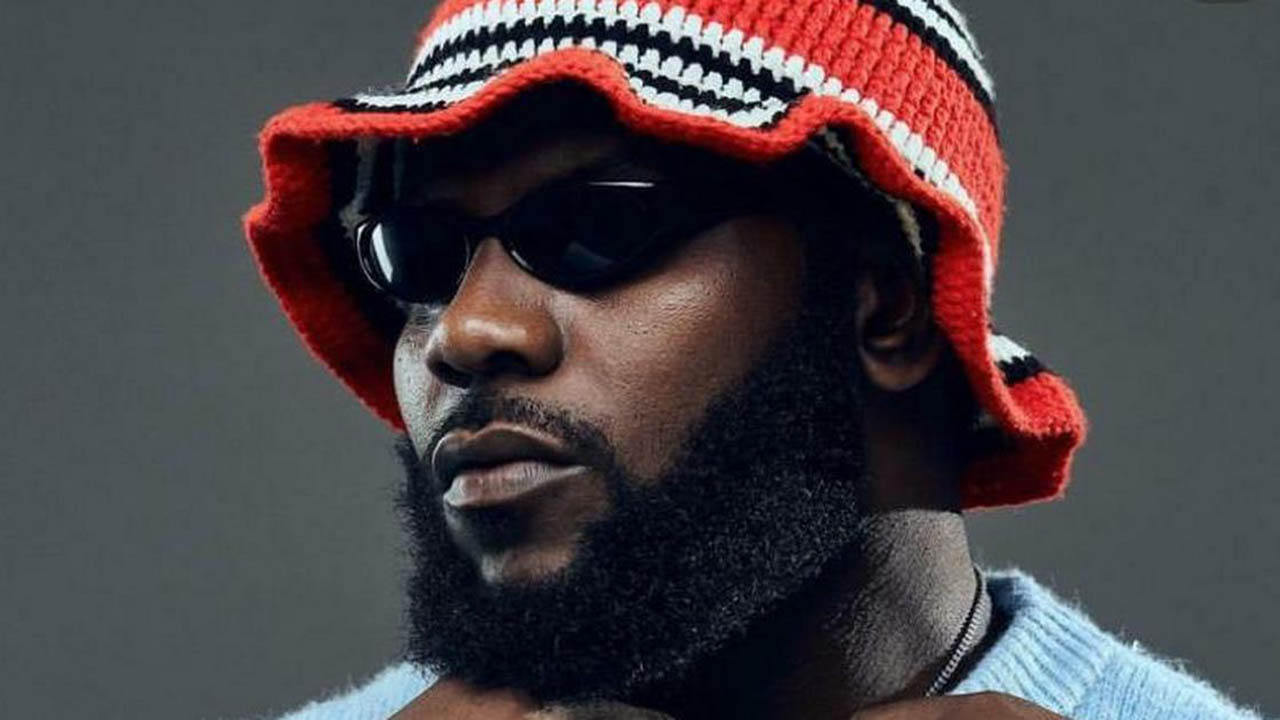
In a sharp rebuke posted to his X account on Thursday, Odumodublvck dismissed fellow artists’ concerns about stream manipulation, claiming that colleagues who raise the issue are simply making “excuses for their failures.”
The rapper, known for tracks like “Declan Rice,” wrote: “Dear public, do not let them deceive you. No matter how much a song is streamed, if your song is good and the people love it, it will show.”
The statement represents a notable reversal for the artist, who, as recently as March 2025, was himself sounding the alarm about streaming farms in the Nigerian music scene. At that time, Odumodublvck claimed there was “a high level of stream farming” in the industry and criticized how manipulated streams weren’t translating into actual concert bookings and ticket sales.
His latest comments come in direct response to renewed criticism from fellow artists Blaqbonez and Magixx, who have been vocal about the damaging effects of artificial stream inflation. Blaqbonez recently declared that streaming farms have caused “irreversible damage” to the Nigerian music industry, while both he and Magixx have slammed the use of bots and automated systems to artificially boost streaming numbers for higher chart placements.
Stream farming refers to the practice of using automated systems or paid services to artificially inflate an artist’s streaming numbers on platforms like Spotify, Apple Music, and YouTube. The practice has become increasingly prevalent in Nigeria’s rapidly growing music industry, where streaming numbers often determine chart positions, booking fees, and overall commercial success.
Odumodublvck’s current position suggests that authentic fan engagement ultimately trumps artificial manipulation. In his provocative social media post, he characterized the ongoing stream farming discourse as “small pikin scopes and antics” driven by “insecurities,” suggesting that artists raising these concerns are “trynna prepare the table in case you fail.”
The controversy highlights the ongoing tension within Nigeria’s music industry between traditional measures of success and the digital-first landscape that has transformed how music is consumed and monetized. Industry observers have noted that streaming farms create an unfair advantage for artists willing to invest in fabricated streams, potentially distorting the music market and making it difficult for genuinely popular content to compete on equal footing.
The debate has divided industry stakeholders, with some defending stream manipulation as a necessary marketing tool in an oversaturated market, while others condemn it as a deceptive practice that undermines the integrity of music charts and fair competition.
As Nigeria’s music industry continues its global expansion, the resolution of this controversy could have far-reaching implications for how success is measured and authenticity is preserved in one of Africa’s most influential entertainment sectors. The ongoing dispute between these prominent artists suggests that the industry has yet to reach a consensus on how to address the growing influence of artificial streaming manipulation.
WHAT YOU SHOULD KNOW
The Nigerian music industry is facing a credibility crisis over “stream farming”—the use of bots to artificially inflate streaming numbers.
Rapper Odumodublvck has flip-flopped on the issue, now dismissing concerns he previously raised, while other artists warn the practice is causing “irreversible damage” to the industry.
This controversy exposes a fundamental conflict between authentic fan engagement and manufactured success metrics that could determine the future integrity of Nigeria’s globally expanding music scene.