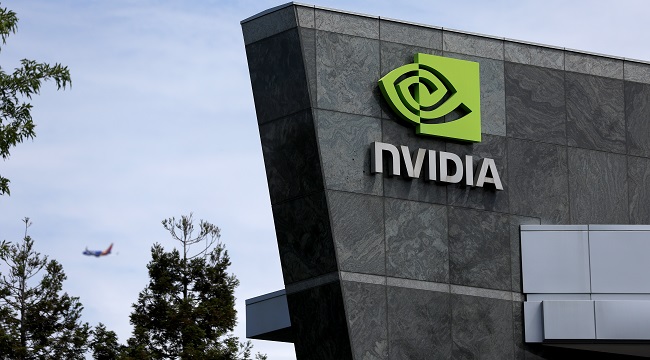
Nvidia, the US-based chipmaking giant, is once again under the spotlight in China as officials in Beijing raised alarms over what they described as “serious security issues” tied to some of the company’s artificial intelligence chips.
The move adds to the complications Nvidia faces amid ongoing technological and trade disputes between China and the United States.
On Thursday, China’s Cyberspace Administration summoned representatives from Nvidia to address vulnerabilities found in the H20 chip—a modified and less powerful version of the firm’s advanced AI processing units designed specifically for the Chinese market.
Nvidia, renowned globally for its cutting-edge AI semiconductors, has seen its operations in China squeezed by Washington’s restrictions, which are driven by national security concerns. In response to these export limitations, Nvidia created chips like the H20 that comply with US regulations while still catering to Chinese demand.
Recently, Nvidia had resumed sales of the H20 chips in China following the US government’s commitment to lift certain licensing restrictions. However, despite this slight easing of the trade ban, Nvidia continues to face a minefield of political and technological hurdles.
One of the latest challenges comes from a legislative proposal in the US that could require Nvidia and other advanced chip manufacturers to incorporate location-tracking features into their products. According to Chinese regulators, these capabilities, including technologies for remote shutdowns, have already been fully developed, citing US-based expert assessments.
The Chinese cyber watchdog has demanded that Nvidia explain and submit materials related to these alleged vulnerabilities and backdoors. The agency’s statement, shared on social media, reflects growing concerns within China’s leadership over foreign technology in sensitive sectors.
Nvidia’s troubles are amplified by the intensifying competition in China’s AI industry. While Nvidia still holds a significant share of the Chinese market, local firms like Huawei are rapidly catching up. Huawei has been actively promoting its domestically developed 910C chip, positioning it as a viable alternative to the H20.
Despite these complications, Nvidia’s CEO Jensen Huang reaffirmed the company’s commitment to China during a visit to Beijing earlier this month. Speaking to Chinese officials, Huang noted that Nvidia remains dedicated to investing in and supporting its customer base in the country. He said Chinese leaders conveyed that the market remains “open and stable,” and that they wanted to see continued engagement from Nvidia.
“Nvidia continues to invest here, and we are still doing our best to serve the market,” Huang remarked.
The timing of the security summons has drawn attention. Jost Wubbeke, an analyst at Sinolytics, told AFP that while targeting American firms is a familiar tactic in US-China disputes, the latest move may indicate a stronger posture from Beijing, especially as both countries recently agreed to extend their trade discussions.
Wubbeke suggested that the US decision to allow the H20 chip’s return could be counterintuitive, as it might discourage Chinese firms from fully adopting domestic alternatives like the 910C, thereby slowing Beijing’s push for tech self-reliance.
The tension emerges at a time when China’s broader economic picture remains uncertain. The country continues to wrestle with a prolonged property crisis and economic slowdown, compounded by renewed trade pressures under US President Donald Trump’s administration.
Chinese President Xi Jinping has repeatedly emphasized the importance of technological self-sufficiency, especially in sectors like semiconductors and artificial intelligence. During his Beijing visit, Huang praised the pace of China’s innovation, calling it “super-fast.”
Nvidia, which recently became the first company to surpass \$4 trillion in market valuation, is a major player in the global AI transformation. However, its business trajectory in China will likely hinge on how it navigates this escalating mix of politics, security concerns, and domestic competition.
What You Should Know
Nvidia, a global leader in AI chip production, is facing renewed pressure from China’s regulators over security concerns in its H20 chip.
As Beijing pushes for technological independence and navigates ongoing trade tensions with Washington, Nvidia must balance compliance with US restrictions and demands from one of its largest foreign markets.