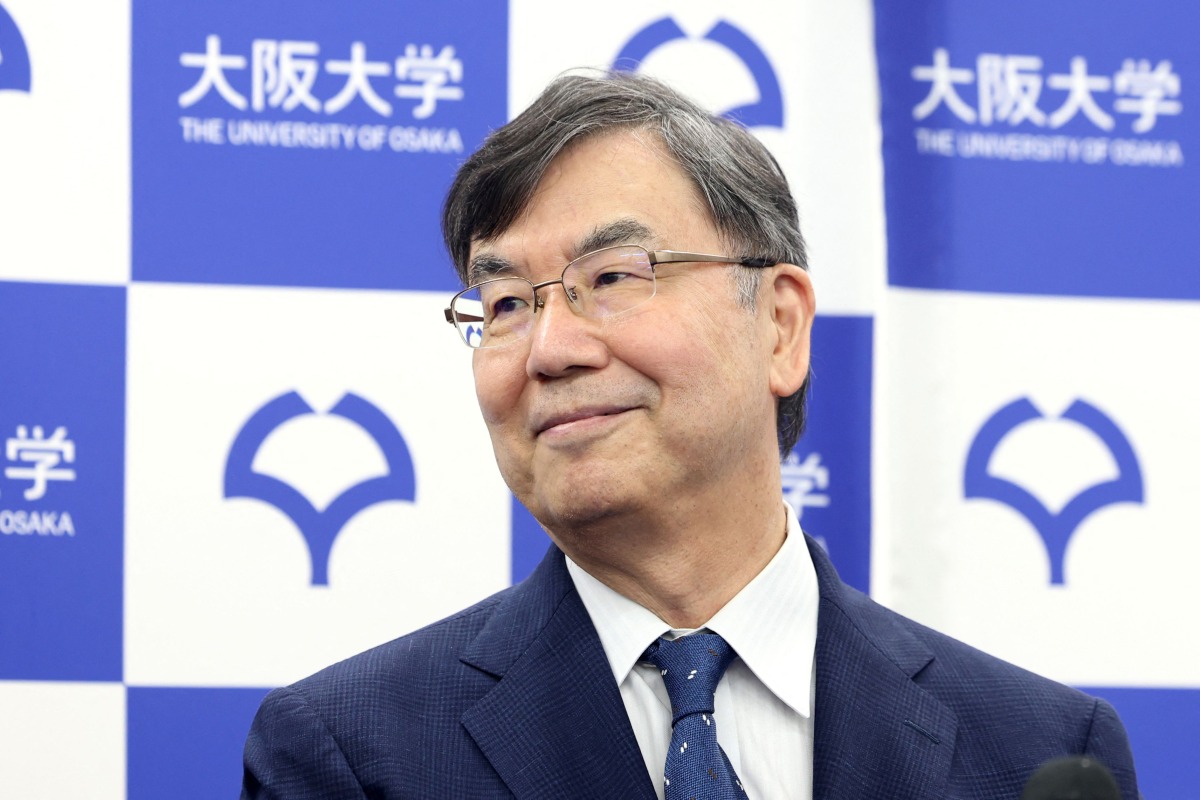
Japanese immunologist Shimon Sakaguchi, one of the winners of the 2025 Nobel Prize in Medicine, expressed hope that the recognition would inspire further progress in medical research and practical healthcare applications.
“I sincerely hope that this award will serve as an opportunity for this field to develop further… in a direction where it can be applied in actual bedside and clinical settings,” said Sakaguchi, a 74-year-old distinguished professor at Osaka University, during a news conference on Monday.
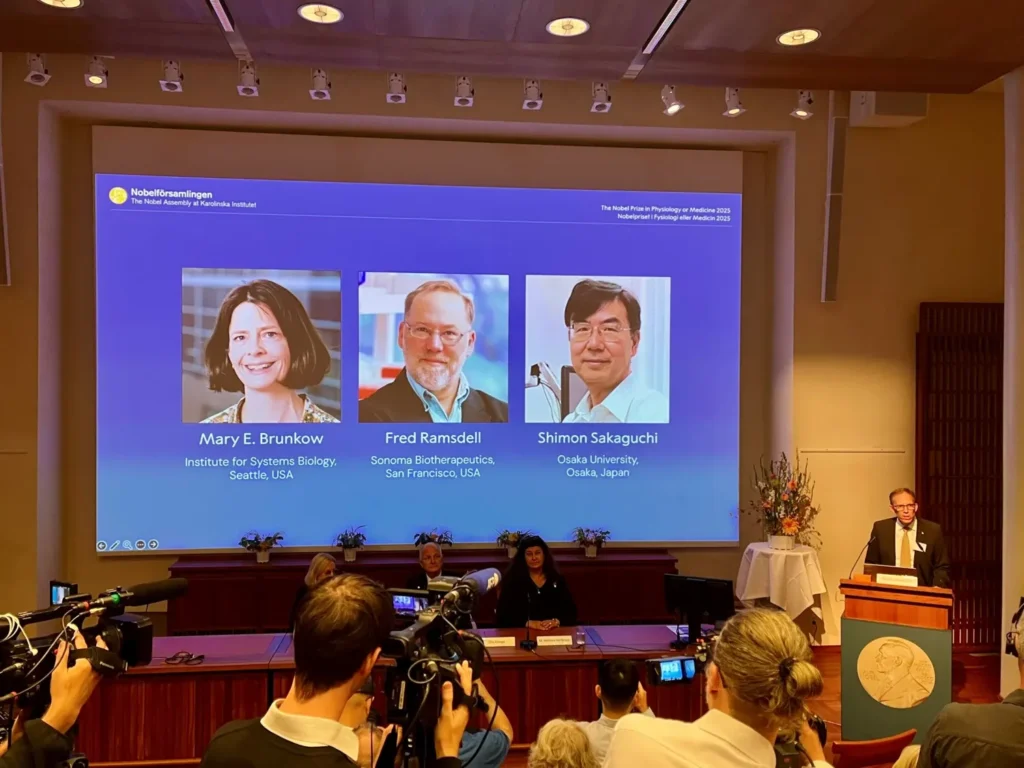
Sakaguchi shared the prestigious award with American scientists Mary Brunkow and Fred Ramsdell for their groundbreaking research into the immune system’s regulatory mechanisms. The Nobel committee praised their work for revealing how the body’s immune “security guards” prevent the development of serious autoimmune diseases.
Their discoveries have revolutionized the understanding of immune system balance and opened new pathways for treating autoimmune disorders, cancer, and organ transplant rejection.
Sakaguchi emphasized that continued research into both enhancing and suppressing the immune system could lead to preventive and therapeutic breakthroughs for challenging diseases. “I believe that even for diseases that are currently difficult to treat, solutions exist, effective treatments will inevitably be found, and preventive measures will also be discovered,” he said.
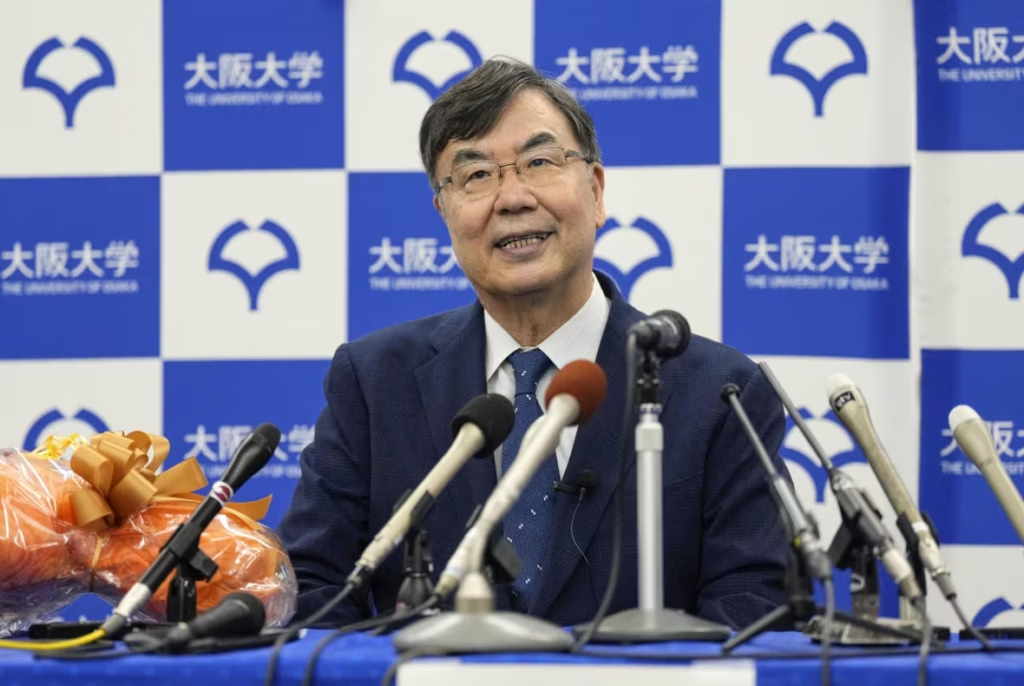
The Osaka University professor described receiving the Nobel Prize as a pleasant surprise. The laureates will formally receive their diploma, gold medal, and a $1.2 million prize to be shared among the three during a ceremony in Stockholm on December 10.
What you should know
Shimon Sakaguchi, honored with the 2025 Nobel Prize in Medicine, is celebrated for his pioneering work on immune regulation.
His research, alongside Mary Brunkow and Fred Ramsdell, has advanced understanding of autoimmune disease prevention and treatment, offering hope for breakthroughs in cancer therapy and organ transplant medicine.