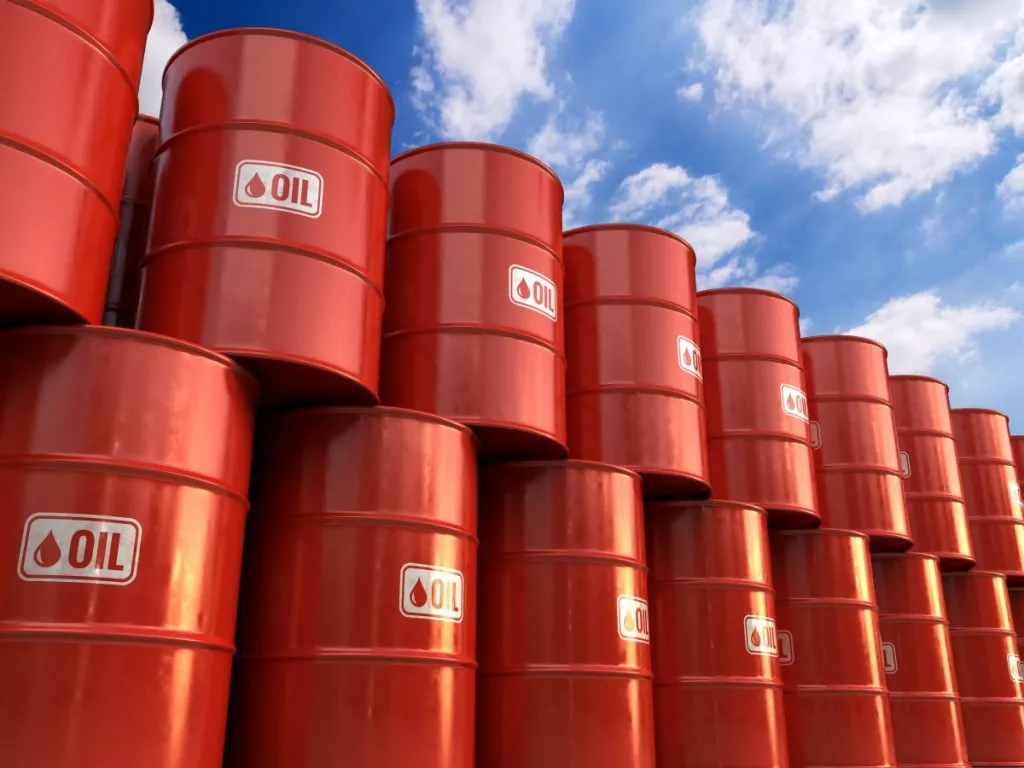
Nigeria’s troubled oil sector is forecast to register a cautious recovery next year, with production expected to climb to 1.73 million barrels per day, according to a new analysis by BMI, a Fitch Solutions company.
However, the uptick comes against a backdrop of continued underperformance against OPEC quotas, mounting security threats, and potential diplomatic friction with the United States.
The projected 2026 output represents a 1.9% increase from this year’s estimated 1.70 million barrels per day and would finally push Nigeria’s production above its official OPEC quota of 1.50 million barrels per day. Yet even this modest gain underscores the steep climb Africa’s largest oil producer faces in restoring its former production capacity.
Three Months of Missed Targets
Nigeria has failed to meet its OPEC production quota for three consecutive months, with July 2025 marking the last time the country achieved its assigned target. October’s crude output reached just 1.401 million barrels per day, a marginal improvement from September’s 1.39 million barrels per day but still well below expectations.
The quarterly data paints an even more sobering picture. OPEC figures show Nigeria averaged 1.444 million barrels per day in the third quarter of 2025, representing a decline from 1.481 million barrels per day in the second quarter and 1.468 million barrels per day in the first quarter. This downward trajectory persists despite fresh capital investments, enhanced security measures, and government interventions designed to stabilize the upstream petroleum sector.
Infrastructure Improvements Offer Hope
BMI analysts attribute the anticipated 2026 rebound to several technical factors: midstream infrastructure upgrades, ongoing debottlenecking efforts aimed at removing production constraints, and additional volumes expected from smaller oil fields that have historically been underutilized.
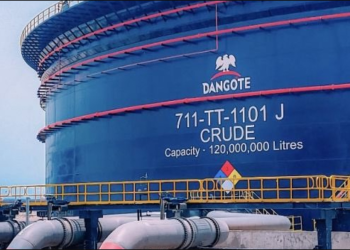
The report also emphasizes the transformative impact of the Dangote Refinery, which has substantially reduced Nigeria’s reliance on imported petroleum products throughout 2025. This shift has eased pressure on the country’s foreign exchange reserves, a chronic pain point for Africa’s most populous nation.
“The Dangote refinery has significantly reduced Nigeria’s reliance on imported fuel through 2025 and improved foreign exchange liquidity,” the BMI report states. However, analysts warn that any operational delays or disruptions at the facility could force Nigeria back toward higher-than-expected fuel imports, exacerbating foreign exchange pressures and inflation while dampening overall growth prospects.
Security Crisis Threatens Economic Foundation
Beyond production metrics, BMI identifies Nigeria’s deteriorating security landscape as an escalating threat to economic growth. The country has witnessed a sharp surge in kidnapping incidents during 2025, adding to an already precarious security environment that has long plagued both urban and rural areas.
Further security deterioration would directly disrupt agricultural production and oil output—two pillars of Nigeria’s economy. The ripple effects would extend to investment decisions, with heightened insecurity likely to deter both domestic and foreign capital. Additionally, increased security spending would force difficult budgetary trade-offs, diverting resources away from infrastructure development, social programs, and other growth-enabling initiatives.
Geopolitical Tensions Add External Risk
On the international front, BMI warns of potential economic fallout from deteriorating Nigeria-U.S. relations. The analysts point to allegations made by U.S. President Donald Trump regarding purported Christian persecution in Nigeria—claims that lack substantiation but could nonetheless trigger punitive American economic measures.
Should diplomatic tensions escalate in 2026, Washington could impose higher tariffs on Nigerian exports or even broader sanctions. Such actions would threaten Nigeria’s oil export revenues, restrict access to U.S. financing and markets, and undermine investor confidence at a critical juncture for the country’s economic recovery.
A Fragile Path Forward
Nigeria’s projected oil production increase, while welcome, remains modest and vulnerable to multiple risk factors. The country’s persistent inability to meet OPEC quotas reflects deep-seated structural challenges that cannot be resolved through infrastructure improvements alone.
As Nigeria navigates 2026, policymakers face a complex calculus: maintaining production momentum while addressing security threats, managing diplomatic relationships, and ensuring the continued operation of critical facilities like the Dangote Refinery. The stakes extend beyond the oil sector—with petroleum exports still accounting for a substantial portion of government revenue and foreign exchange earnings, Nigeria’s broader economic stability hangs in the balance.
The coming year will test whether Africa’s largest economy can finally stabilize its oil production or whether the challenges of recent years will continue to constrain its most vital industry.
WHAT YOU SHOULD KNOW
Nigeria’s oil production is forecast to rise modestly to 1.73 million barrels per day in 2026—a 1.9% increase driven by infrastructure upgrades and the Dangote Refinery’s impact on reducing fuel imports.
However, this cautious optimism is overshadowed by three critical threats: the country’s persistent failure to meet OPEC quotas for three straight months, a sharp escalation in kidnappings and insecurity that could cripple both oil and agricultural output, and potential U.S. sanctions stemming from diplomatic tensions.