In a surprising turn of events, the Nigerian naira has capitalized on European political uncertainty, strengthening against the euro as France grapples with its deepest political crisis in recent memory.
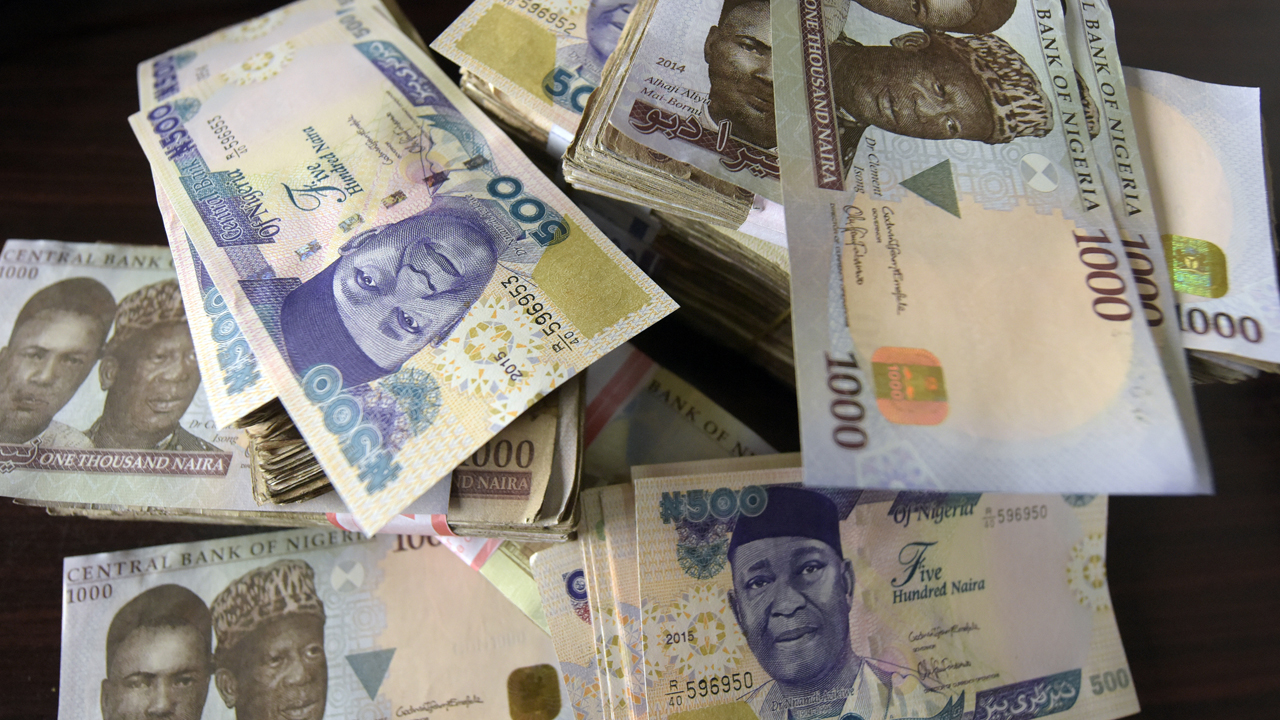
The naira posted notable gains this week, with the euro-naira exchange rate climbing to N1,765 per euro in Tuesday’s official market trading, representing an improvement from last week’s rate of N1,775 per euro. This 10-naira strengthening signals growing confidence in Nigeria’s currency amid global market volatility.
French Government in Crisis
The naira’s advance comes as France, the European Union’s second-largest economy, finds itself in political paralysis following the dramatic fall of Prime Minister François Bayrou after just nine months in office. The swift succession of government changes has rattled European markets and weakened investor confidence in the euro.
President Emmanuel Macron moved quickly to stem the crisis, appointing 39-year-old Sébastien Lecornu as the new prime minister late Tuesday. Lecornu, Macron’s defense minister since 2022 and close political ally, faces the daunting task of governing a deeply divided parliament while managing France’s precarious fiscal position.
In his first public statement following the appointment, Lecornu emphasized his mandate from Macron to form a government focused on “the defense of our independence and power, serving the French people, and maintaining political and institutional stability for the unity of the country.”
Economic Pressures Mount
The new prime minister inherits a nation under severe financial strain. France currently maintains the largest budget deficit among all 27 EU member states, with the shortfall reaching 5.8 percent of GDP this year. Only Greece and Italy carry higher debt-to-GDP ratios within the European Union, highlighting the severity of France’s fiscal challenges.
The government’s financial burden is staggering—France spends €67 billion annually on interest payments alone. Adding to the pressure, the country must approve its 2026 budget by December 31 while facing EU requirements to gradually reduce its deficit in compliance with bloc regulations.
Credit rating agencies are closely monitoring the situation, with potential downgrades looming despite France’s relatively balanced current account, which has helped prevent a full-blown financial crisis.
Nationwide Disruption
The political upheaval has spilled into the streets, with nationwide protests dubbed “Block Everything” causing widespread disruptions across public services, schools, and transportation networks. The demonstrations underscore the deep societal divisions that Lecornu must navigate as he attempts to restore stability.
Global Market Implications
The crisis extends beyond France’s borders, with broader geopolitical tensions adding to market uncertainty. Reports of Poland shooting down alleged Russian drones near its Belarusian border have heightened concerns about the Ukraine conflict potentially expanding, raising fears about escalating tensions between Russia and NATO members.
These developments have contributed to increased volatility in commodity markets, with gold reaching unprecedented levels of $3,700 per troy ounce and silver hitting $42 per troy ounce—its highest point in 14 years.
Central Bank Moves in Focus
All eyes now turn to Thursday’s key economic releases and central bank decisions. The European Central Bank is expected to maintain its current benchmark interest rate, with markets closely watching ECB President Christine Lagarde’s press conference for signals about future monetary policy direction.
Meanwhile, U.S. inflation data releases this week will provide crucial insights into the Federal Reserve’s anticipated interest rate cuts, with markets currently pricing in a 25 basis point reduction at the September 16-17 policy meeting.
Looking Ahead
As Prime Minister Lecornu takes office today, he faces the immediate challenge of forming a cohesive government capable of navigating France’s divided parliament while addressing the nation’s mounting fiscal pressures. His success or failure could have far-reaching implications for the euro’s stability and, consequently, emerging market currencies like the naira that have recently shown resilience.
The coming weeks will prove critical in determining whether France can restore political stability and market confidence, or if the current crisis will deepen, potentially providing further opportunities for currencies like the Nigerian naira to gain ground against the embattled euro.
WHAT YOU SHOULD KNOW
The Nigerian naira has strengthened against the euro (from N1,775/€ to N1,765/€) as France faces its worst political crisis in recent memory. With Prime Minister François Bayrou ousted after just nine months and new PM Sébastien Lecornu taking office amid nationwide protests, France’s instability is weakening the euro.