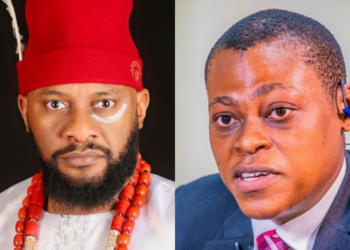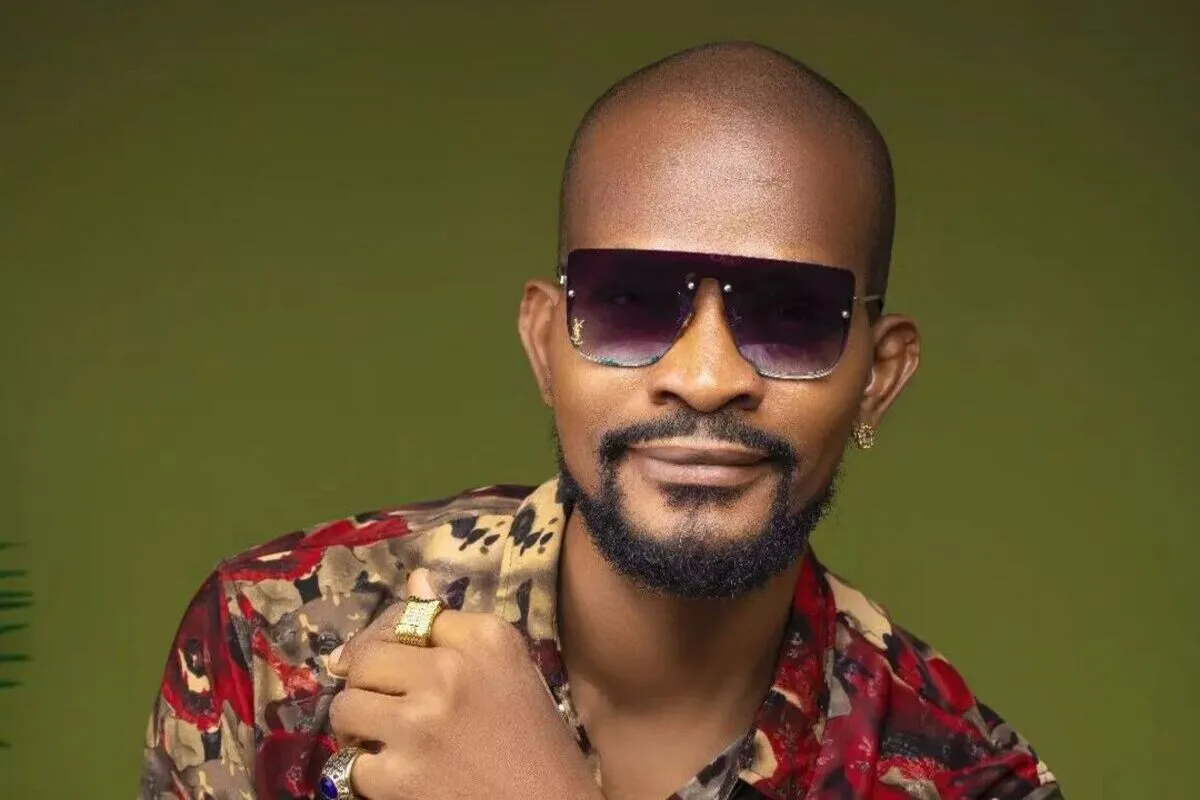
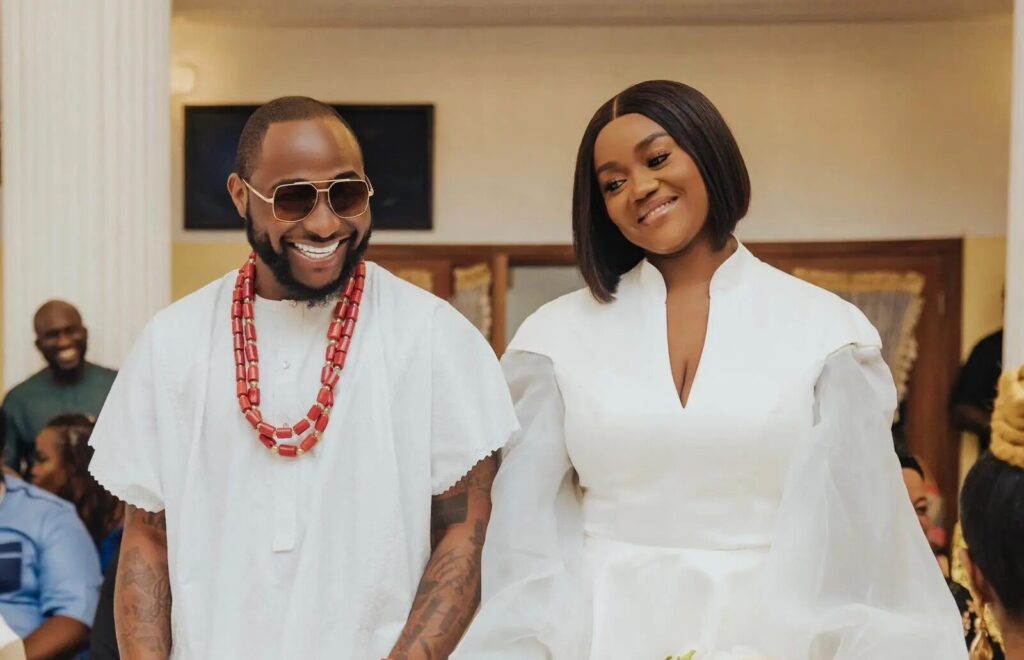
In a startling revelation that has sent shockwaves through Nigeria’s entertainment industry, controversial social media personality and influencer Uche Maduagwu has publicly apologized to award-winning Afrobeats superstar Davido and his wife, Chioma Adeleke, admitting he was part of a paid campaign to malign the couple online.
The confession, delivered in an emotional video posted to Maduagwu’s Instagram page on Thursday, has raised serious questions about the prevalence of paid influencer attacks in Nigeria’s digital landscape and the vulnerability of public figures to orchestrated online harassment.
In the video, a visibly remorseful Maduagwu disclosed that he received N2.5 million—approximately $1,500—to systematically target Davido and his family with negative content across social media platforms.
The self-described influencer claimed he was not acting alone, alleging that at least four other Nigerian social media personalities were recruited for the same purpose.
“I was paid to ridicule your wife and your family,” Maduagwu stated directly in the video, addressing Davido. “I’m not the only one; we’re like five different influencers in Nigeria who were paid. And I’m urging other people who were paid to ridicule Davido to please come out and return the money they said you should use to criticize this guy.”
Maduagwu’s admission marks a rare moment of transparency in an industry where paid influencer campaigns—both positive and negative—are widely suspected but seldom acknowledged publicly. His emotional appeal included a plea for other alleged participants to come forward and return their payments.
“He has not done anything wrong,” Maduagwu emphasized, seemingly absolving Davido of any actions that might have justified the criticism. “I want to apologize to Davido, please forgive me. I collected over N2 million to ridicule you, and I’m sorry. Others, please return the money they paid you, please.”
Uche Maduagwu has built a controversial reputation as a social media provocateur, frequently making inflammatory statements about Nigerian celebrities. His posts have often targeted high-profile entertainers, though until now, he presented these attacks as personal opinions rather than sponsored content.
Davido, whose real name is David Adeleke, is one of Africa’s most successful musical exports, with international collaborations and a massive global following. His marriage to Chioma Adeleke has been a subject of intense public interest, with the couple frequently trending on Nigerian social media. The revelation that some of the negative commentary surrounding them was financially motivated rather than organic adds a troubling dimension to their public experience.
The caption accompanying Maduagwu’s video further underscored his distress: “God, I’m in TEARS now. I just want @davido to forgive me. We are 5 influencers paid to criticize Davido. Every criticism you constantly see about Davido and his IYAWO online was paid for. Can you people help me beg 001 to forgive me?” The use of “IYAWO” (Yoruba for wife) and “001” (a popular honorific for Davido) suggests an attempt at cultural familiarity in his appeal.
As of this report, several critical questions remain unanswered. Maduagwu did not disclose who paid him and the other alleged influencers, what motivated the campaign, or over what period the trolling occurred. Without this information, speculation about the source and intent of the payments is likely to dominate public discourse.
Industry observers note that paid influencer campaigns are common in Nigerian entertainment, typically used for promotion and brand building. However, the acknowledgment of paid negative campaigns represents a darker application of influencer marketing, raising ethical and potentially legal concerns about defamation, cyberbullying, and the manipulation of public opinion.
Neither Davido nor his representatives have publicly responded to Maduagwu’s apology at the time of publication. It remains unclear whether the singer will accept the apology or pursue any legal recourse against those involved.
This incident has reignited conversations about transparency in influencer marketing and the need for greater regulation of social media personalities who wield significant influence over public perception. Digital rights advocates have long called for clearer disclosure requirements when influencers receive compensation for their content, whether positive or negative.
The confession also highlights the psychological toll that coordinated online harassment can take on public figures and their families, even when such figures appear to have thick skin or substantial support systems.
As the story develops, many are watching to see whether other alleged participants will come forward as Maduagwu has urged and whether this incident will prompt broader industry reforms regarding influencer accountability and transparency in Nigeria’s digital entertainment ecosystem.
WHAT YOU SHOULD KNOW
Nigerian influencer Uche Maduagwu has exposed a troubling trend in social media manipulation by confessing he was paid N2.5 million to troll singer Davido and his wife, Chioma. He claims four other influencers were also paid for the same purpose. This revelation confirms what many have suspected: that not all celebrity criticism online is genuine—some is manufactured and paid for.
The confession raises urgent questions about transparency, ethics, and accountability in Nigeria’s influencer industry, while demonstrating how public figures can be targeted by coordinated, financially motivated attacks disguised as organic opinion. The identity of those who funded this campaign remains unknown, and whether other participants will come forward or face consequences is yet to be seen.
WATCH VIDEO HERE