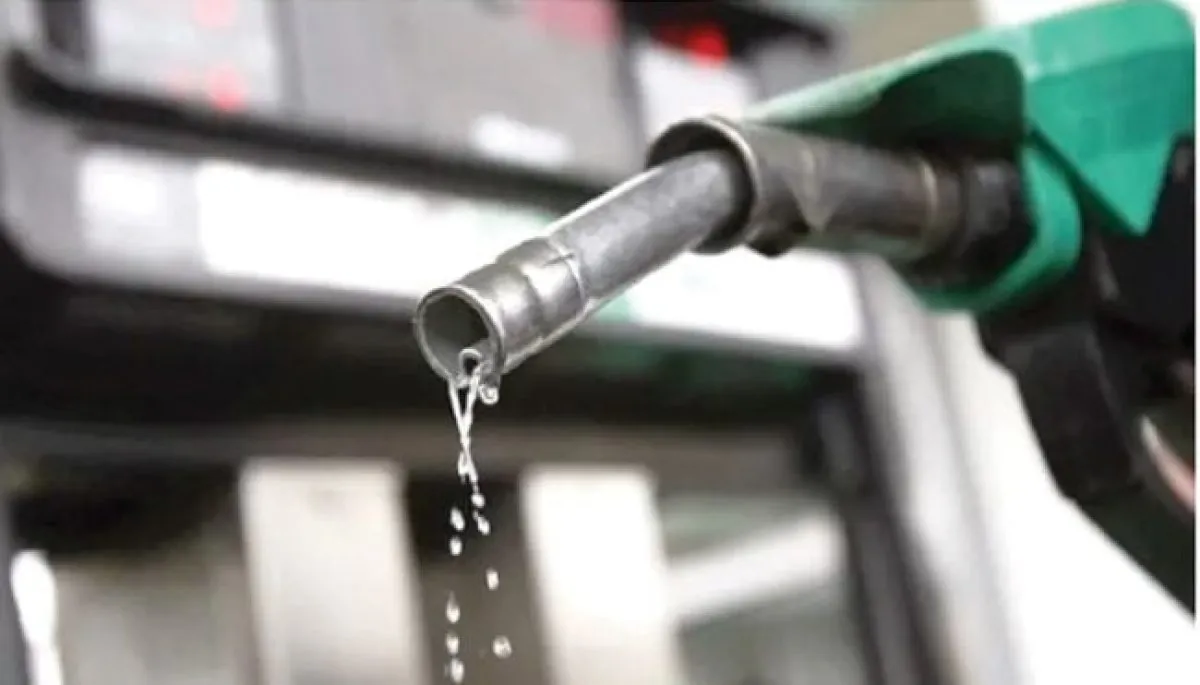
Nigeria imported approximately 15.01 billion liters of Premium Motor Spirit between August 2024 and early October 2025, accounting for nearly 69 percent of the nation’s total fuel supply during these 15 months.
This continued reliance on imports persists despite the Dangote refinery commencing petrol production in September 2024, raising questions about the pace of the country’s transition to energy self-sufficiency.
The Numbers Tell a Complex Story
Data from the Nigerian Midstream and Downstream Petroleum Regulatory Authority reveals that total PMS supply for the period reached 21.68 billion liters. Of this volume, domestic refining contributed 6.67 billion liters, representing 31 percent of supply. The figures paint a picture of a nation caught between its ambitious goals of energy independence and the practical realities of transitioning from decades of import dependency.
The statistics show dramatic month-to-month variations. Imported petrol peaked in September 2024 at 54.30 million liters per day, coinciding with the Dangote refinery’s entry into the market. However, imports have since declined steadily, dropping to 24.15 million liters daily by January 2025 and further falling to just 15.11 million liters per day in the first ten days of October 2025.
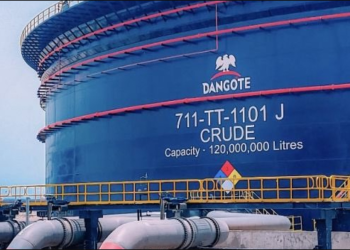
Dangote Refinery: Game Changer or Work in Progress?
The $20 billion Lekki-based facility has undeniably altered Nigeria’s petroleum landscape. Starting from 6.43 million liters per day in September 2024, the refinery’s output surged to 22.66 million liters daily by January 2025. By October 2025, it was producing an average of 18.93 million liters per day—a milestone moment as this figure exceeded imports for that month.
Yet the refinery’s journey has been marked by fierce market competition. Petrol importers have repeatedly accused Aliko Dangote of attempting to monopolize the market through aggressive pricing strategies. The billionaire industrialist, whose stated vision was to end Nigeria’s fuel import dependency despite being an oil-producing nation, has found himself navigating a contentious business environment where established importers refuse to cede ground easily.
A Market in Flux
Perhaps most striking is the evidence of declining consumption patterns. Daily petrol consumption has plummeted from 60.73 million liters in September 2024 to just 34.04 million liters by early October 2025—a reduction of more than 43 percent. This dramatic decrease follows the Federal Government’s complete deregulation of the petrol sector in September 2024, which ended the controversial fuel subsidy regime previously administered by the Nigerian National Petroleum Company Limited.
The subsidy removal has fundamentally reshaped market dynamics, with higher prices at the pump appearing to drive conservation or reduced economic activity—or both.
Export Ambitions Amid Domestic Challenges
In a twist that has frustrated some observers, the Dangote refinery has been actively exporting fuel while Nigeria continues importing. Between June and July 2025 alone, the facility exported approximately one million tonnes of petrol. The refinery has also supplied aviation fuel to Saudi Aramco and shipped large volumes to the Middle East Gulf region, particularly during a heavy refinery maintenance season that created regional supply gaps.
Devakumar Edwin, vice president of the Dangote Group, recently threw down the gauntlet to marketers, declaring that the refinery held over 310 million liters of PMS in storage, in addition to daily production. “Bring your tankers. We will load. Any number of tankers you bring, we’ll load,” Edwin stated, challenging claims that the refinery lacks capacity to meet domestic demand.
The Road Ahead
NMDPRA Chief Executive Farouk Ahmed has acknowledged the refinery’s impact, noting its average daily contribution of 20 million liters has “changed the supply dynamics” with potential for future expansion. The 650,000-barrel-per-day facility clearly possesses the technical capacity to significantly reduce—if not eliminate—Nigeria’s import dependency.
However, the persistence of imports suggests complex market forces at play. Price competition, established supply chains, financing arrangements, and the commercial interests of entrenched importers continue to shape the landscape. Over the 445 days analyzed, cumulative imports reached 15,009.85 million liters compared to 6,672.44 million liters from domestic production—a gap that, while narrowing, remains substantial.
As Nigeria navigates this transition, the data underscores a petroleum sector in flux. The country is gradually moving toward self-sufficiency, but the journey is proving neither swift nor straightforward. With refining capacity expanding, consumption patterns adjusting to deregulated prices, and fierce competition between domestic producers and importers, Nigeria appears poised at a critical juncture in its decades-long quest to solve its fuel supply challenges.
Whether the Dangote refinery ultimately achieves Aliko Dangote’s vision of ending import dependency—or whether a hybrid model emerges with both domestic production and strategic imports—remains to be seen. What is clear is that the downstream petroleum landscape has fundamentally changed, and the nation is writing a new chapter in its energy story.
WHAT YOU SHOULD KNOW
Despite the Dangote refinery producing petrol since September 2024, Nigeria still imported 69% of its fuel supply over the past 15 months. However, the trend is shifting: domestic production has grown from zero to nearly 19 million liters daily by October 2025, now exceeding imports for the first time that month.
While the $20 billion refinery has the capacity to meet national demand and even export fuel abroad, established importers continue competing aggressively for market share.
Meanwhile, fuel subsidy removal has caused consumption to plummet by 43%—from 60.73 million to 34.04 million liters daily—indicating Nigerians are either using less fuel or economic activity has slowed significantly.