In what industry experts are calling a potential game-changer for Nigeria’s energy landscape, the Midstream and Downstream Gas Infrastructure Fund (MDGIF) has concluded negotiations with China’s Endurance Group to roll out 500 compressed natural gas (CNG) refuelling stations across the country over the next three years.
The ambitious partnership, formalized after high-level discussions in the capital, represents one of the most comprehensive efforts to date to wean Africa’s most populous nation off its heavy dependence on petrol and diesel, while simultaneously addressing crippling fuel costs that have battered households and businesses alike.
Speaking to reporters following the conclusion of talks in Abuja, MDGIF Executive Director Oluwole Adama disclosed that the agreement centers on establishing a government-backed Special Purpose Vehicle designed to fast-track the nationwide deployment of CNG infrastructure—a critical missing link that has long stymied previous clean fuel initiatives.
“The collaboration underscores the parties’ commitment to accelerating Nigeria’s transition to cleaner fuels by addressing infrastructure gaps across the country’s CNG value chain,” Adama told journalists, emphasizing the urgency of the project amid ongoing economic pressures and environmental concerns.
Central to the partnership is the creation of the Compressed Natural Gas Auto Mobility Infrastructure Company, or CAM InfraCo, which will serve as the dedicated implementing entity for what officials describe as a transformative infrastructure buildout.
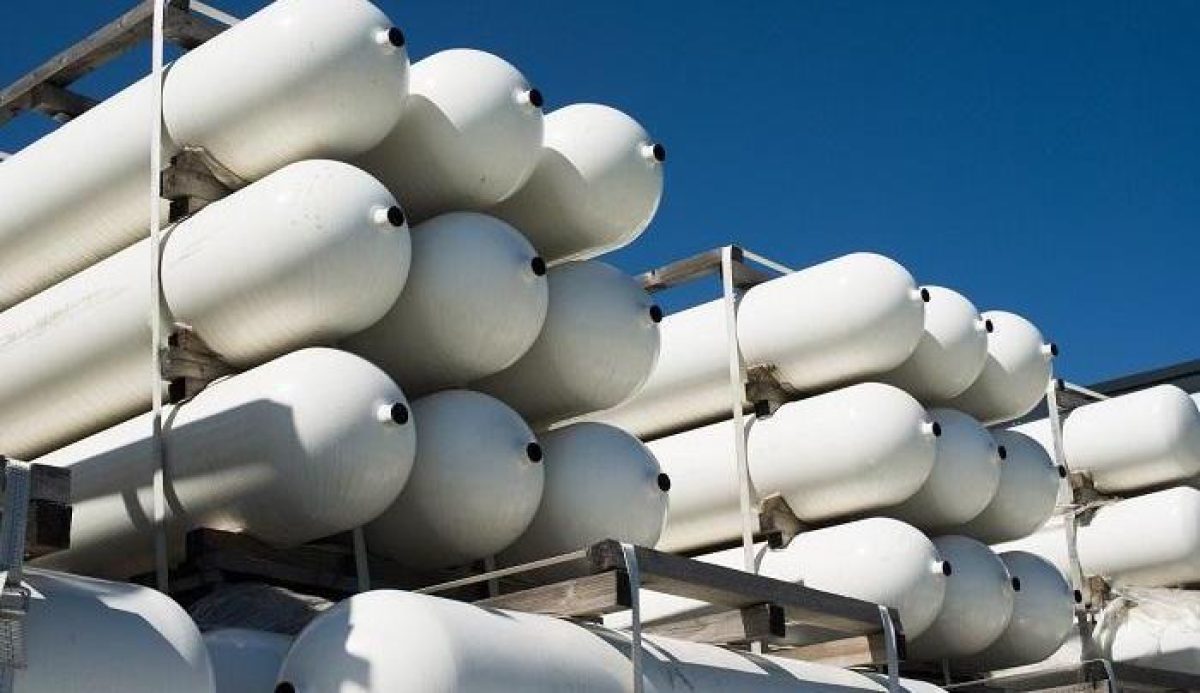
“Under this agreement, we will set up the Compressed Natural Gas Auto Mobility Infrastructure Company (CAM InfraCo), which will be used to deploy 500 integrated CNG refuelling stations, develop LCNG gas supply infrastructure, and provide CNG and LNG transportation trucks with truck-mounted cascades, forming a virtual pipeline across all states nationwide,” Adama explained.
The scope of the project extends beyond simple refuelling points. It includes the construction of liquefied compressed natural gas (LCNG) plants, comprehensive gas supply infrastructure, and a fleet of specialized transportation trucks equipped with mobile cascades—essentially creating a “virtual pipeline” to reach areas of the country where traditional pipeline networks do not exist.
This infrastructure matrix is designed to ensure that even Nigeria’s most remote states, far from existing gas distribution networks, will have access to affordable and cleaner fuel alternatives.
For years, Nigeria’s CNG ambitions have been hobbled by fragmented, small-scale projects that lacked the capital, coordination, and political will to achieve critical mass. Industry observers note that the MDGIF-Endurance agreement signals a marked departure from that approach.
By establishing CAM InfraCo as a unified, government-backed vehicle with substantial private-sector technical expertise, the Federal Government appears to be betting on a large-scale, coordinated rollout rather than the piecemeal efforts that have characterized past initiatives.
With MDGIF already committing over N287 billion to gas infrastructure development nationwide, this latest deal firmly positions CNG at the heart of Nigeria’s broader energy transition strategy—a strategy aimed at reducing the nation’s carbon footprint while simultaneously enhancing energy security and lowering transportation costs.
The potential ripple effects of the partnership are significant. Beyond the immediate infrastructure gains, the project is expected to stimulate job creation across construction, logistics, manufacturing, and retail sectors. Local content development could also receive a boost if the implementation strategy incorporates Nigerian suppliers and fabricators into the value chain.
More critically, the widespread availability of CNG—a fuel that is significantly cheaper than petrol or diesel—could provide much-needed relief to millions of Nigerians grappling with soaring transportation costs. Commercial vehicle operators, in particular, stand to benefit from lower operating expenses, which could translate into reduced fares and freight charges.
From an environmental standpoint, CNG burns cleaner than conventional fossil fuels, producing fewer greenhouse gas emissions and particulate matter. The shift aligns with global climate commitments and Nigeria’s own pledges to reduce emissions while pursuing sustainable development.
Perhaps most importantly, the MDGIF-Endurance partnership addresses what has been identified as the single greatest obstacle to the success of the Presidential CNG Initiative: inadequate infrastructure.
Without a reliable network of refuelling stations, vehicle conversion programs and public awareness campaigns have struggled to gain traction. Motorists have been understandably reluctant to adopt CNG vehicles when the nearest refuelling point might be hundreds of kilometers away—or nonexistent.
The planned deployment of 500 stations, distributed across all 36 states and the Federal Capital Territory, fundamentally changes that equation. It provides a practical, scalable pathway toward affordable clean mobility for households, businesses, and public transport operators.
While the agreement has been lauded by energy analysts and environmental advocates, questions remain about execution timelines, financing structures, and the sustainability of operations in Nigeria’s often challenging business environment.
The involvement of Endurance Group, a Chinese manufacturer with experience in gas infrastructure, brings technical capacity and potentially favorable financing terms. However, the success of CAM InfraCo will ultimately depend on regulatory support, consistent policy implementation, and the ability to attract complementary private investment.
Nonetheless, if delivered as planned, the initiative could mark a turning point in Nigeria’s energy story—transforming CNG from a niche alternative into a mainstream fuel choice and offering millions of Nigerians a cleaner, cheaper way to move.
As the nation grapples with economic reform and the painful removal of fuel subsidies, the promise of affordable, domestically available natural gas has never been more appealing—or more urgent.
WHAT YOU SHOULD KNOW
Nigeria has signed a landmark deal with China’s Endurance Group to deploy 500 CNG refuelling stations across all 36 states over the next three years—the most ambitious infrastructure push yet to make compressed natural gas a viable, affordable alternative to petrol and diesel.
The partnership establishes CAM InfraCo, a government-backed company that will build not just refuelling stations, but complete gas supply infrastructure including virtual pipelines to reach areas without existing networks.
This finally addresses the critical infrastructure gap that has prevented CNG adoption in Nigeria. With over N287 billion committed, the initiative promises cheaper transportation costs for millions, job creation, reduced emissions, and practical support for the Presidential CNG Initiative.
If executed successfully, this could transform CNG from a neglected alternative into mainstream fuel, offering Nigerians relief from crushing petrol prices while advancing the nation’s clean energy transition.